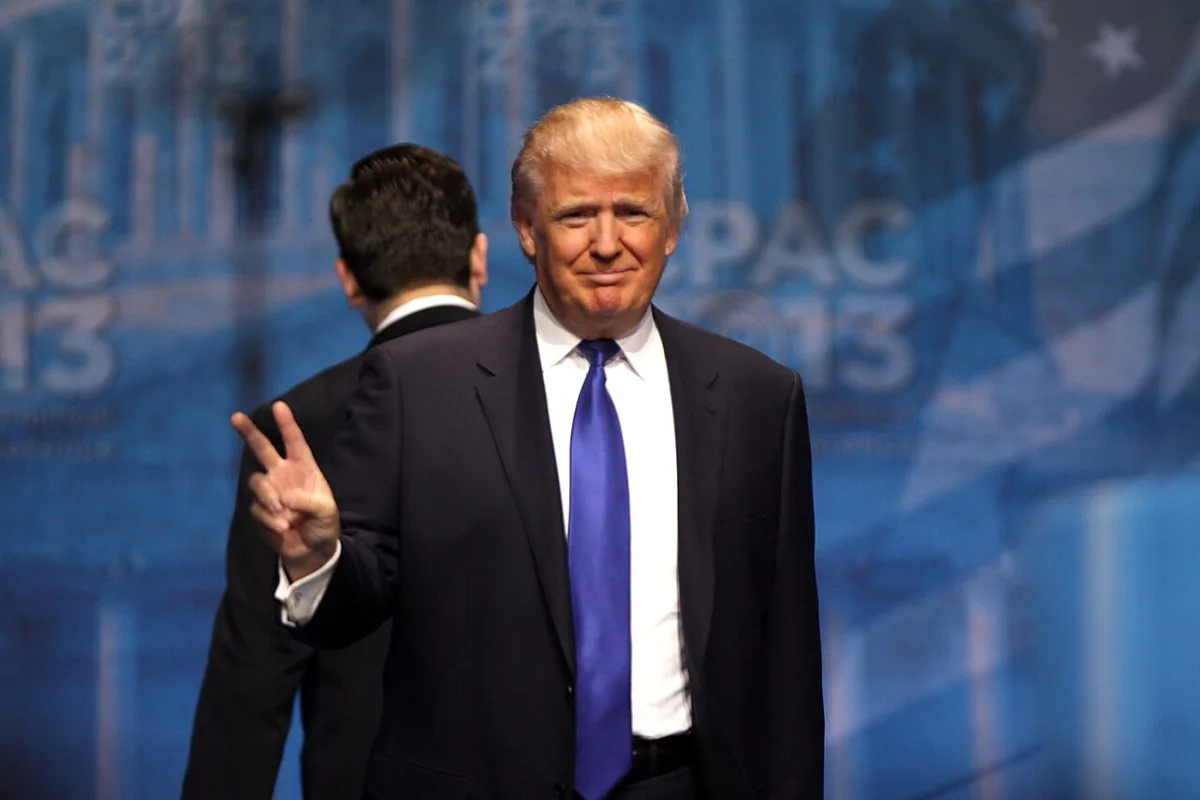
Seven oil tankers carrying roughly 288,000 tonnes of Russian diesel are sailing toward the United States, courtesy of a deal between Donald Trump and Vladimir Putin that was sold as a way to lower fuel prices. Since the deal was announced, the price of diesel has gone up. On the same day this story broke, a Russian drone killed 14 people on a train platform in Dnipro.
Seven Tankers and a Greenpeace Map
The shipments have been tracked by Greenpeace, which used shipping tracking websites and other sources to put together what it says is the most complete picture yet. Earlier reports had counted only three tankers leaving Russian terminals in the Baltic Sea. Greenpeace found seven, carrying an estimated 288,000 tonnes of diesel, according to The Guardian.
One tanker, the Taurus, is relatively close to the US. Five of the others were near the UK when the map was first published, and three were sailing through or into the English Channel. So the diesel is on its way, slowly, in plain sight, which is not how you usually describe a smoothly running international arrangement.
Shaun Burnie, an energy specialist with Greenpeace Ukraine, said that now the ships can be plotted on a map, Congress or local authorities should stop them. "Instead of rewarding Russia for its vile war against Ukraine, there needs to be more punitive sanctions against Russia," he said. "These shipments can be stopped."
The Deal That Was Supposed to Fix Gas Prices
Here's the pitch. On October 9, Putin agreed to supply the US with 1.8 million tonnes of diesel, starting with 300,000 tonnes right away. Trump announced a six-month waiver on existing sanctions so the shipments could proceed. This reverses years of sanctions on Russian oil that the US, EU, UK and other Western economies imposed after Putin launched his full-scale invasion of Ukraine in February 2022.
Trump argued the arrangement would help lower diesel prices. Okay. Let's check the receipt. According to the American Automobile Association, a gallon of diesel cost $6.28 when the agreement was announced. It now costs $6.33.
So the plan to lower prices has, so far, raised them by five cents. To be fair, the first tankers haven't docked. To be less fair, nobody seems sure they will.
Nobody Wants to Be the One Holding the Barrel
That's the other problem. There is real uncertainty about whether these vessels will be able to unload at all. A group of US lawmakers, led by a handful of Democratic senators, has warned banks and port authorities that they could face congressional investigations and other legal action if they handle the Russian diesel.
New Jersey's Democratic governor, Mikie Sherrill, said she is looking at how to block the diesel from being unloaded if anyone tries it in her state. She called the deal "corrupt and illegal."
There are reports that the White House has been trying to encourage US firms to take the oil, but it's not clear buyers are lining up. The legal risk is one reason. The calendar is another. The midterm elections are next Tuesday, and being the company that helped Putin's diesel reach American pumps one week before voters go to the polls is a hell of a corporate strategy.
The Midterm Math
Trump's popularity has waned as fuel prices in the US have soared since he attacked Iran in the spring. Polling suggests a high likelihood that control of the House could pass to the Democrats next week, while the Senate fight is too close to call.
So consider the political logic. Fuel prices are hurting the president. He needed a fix. The fix he found was a sanctions waiver for the country that is currently bombing Ukrainian cities, delivered in tankers that may not be allowed to dock.
This autumn, Trump has altered course and tried to work more closely with Putin, even though Russia has not stopped attacking its neighbour. That sentence is from the reporting, and it reads like an indictment without any help from us.
Meanwhile, in Dnipro
On Thursday morning, a Russian drone struck a crowded train platform in the central Ukrainian city of Dnipro. Fourteen people were reported killed. Ukrzaliznytsia, Ukraine's state railway company, said a high speed jet-powered drone hit as a commuter train was preparing to depart the main station. Bodies lay scattered on the platform. The attack came around 11am, a relatively unusual daytime strike.
Five more people were reported killed in daytime strikes in Chernihiv and Kremenchuk. That's 19 dead in one morning, while seven tankers of Russian diesel float toward American ports under a waiver signed by the American president.
Ukraine's president, Volodymyr Zelenskyy, denounced the agreement because the money raised would help the Kremlin fund the war. "Backroom deals," he said, give Putin more chances on the battlefield.
The Secrecy Is the Tell
One more detail worth sitting with. The Kremlin has been working to keep information about its latest oil exports secret. A presidential decree from the end of September restricted the publication of information about oil exports, in an effort to evade international sanctions.
So the Russian government is hiding the data so sanctions don't catch it, while the American government is waiving the sanctions on the same oil. One side is covering its tracks. The other is holding the door. A Greenpeace volunteer with a laptop and a ship-tracking website ended up doing the public accounting.
The Dingo Take
The White House says this deal will lower diesel prices. The data says diesel went from $6.28 to $6.33 after it was announced. The administration says it's a path toward better relations with Moscow. Russia says nothing, because Russia is busy flying a jet-powered drone into a train platform in Dnipro and then classifying its oil export numbers by presidential decree.
Look at what's actually on the table. Putin gets sanctions relief and a customer. Trump gets a talking point about prices that the prices refuse to confirm. Ukraine gets 19 more dead in a single morning and a lecture about backroom deals from its own president. The American driver gets the same $6.33 gallon, minus any illusion that this is about them.
The tankers are still at sea, and there's still time for a port authority, a governor, or a bank compliance officer to say no. Greenpeace has handed everyone a map. Now we find out whether anyone with actual power reads it before Tuesday, or whether the midterms are the only deadline that matters to the people who signed the waiver.



Comments