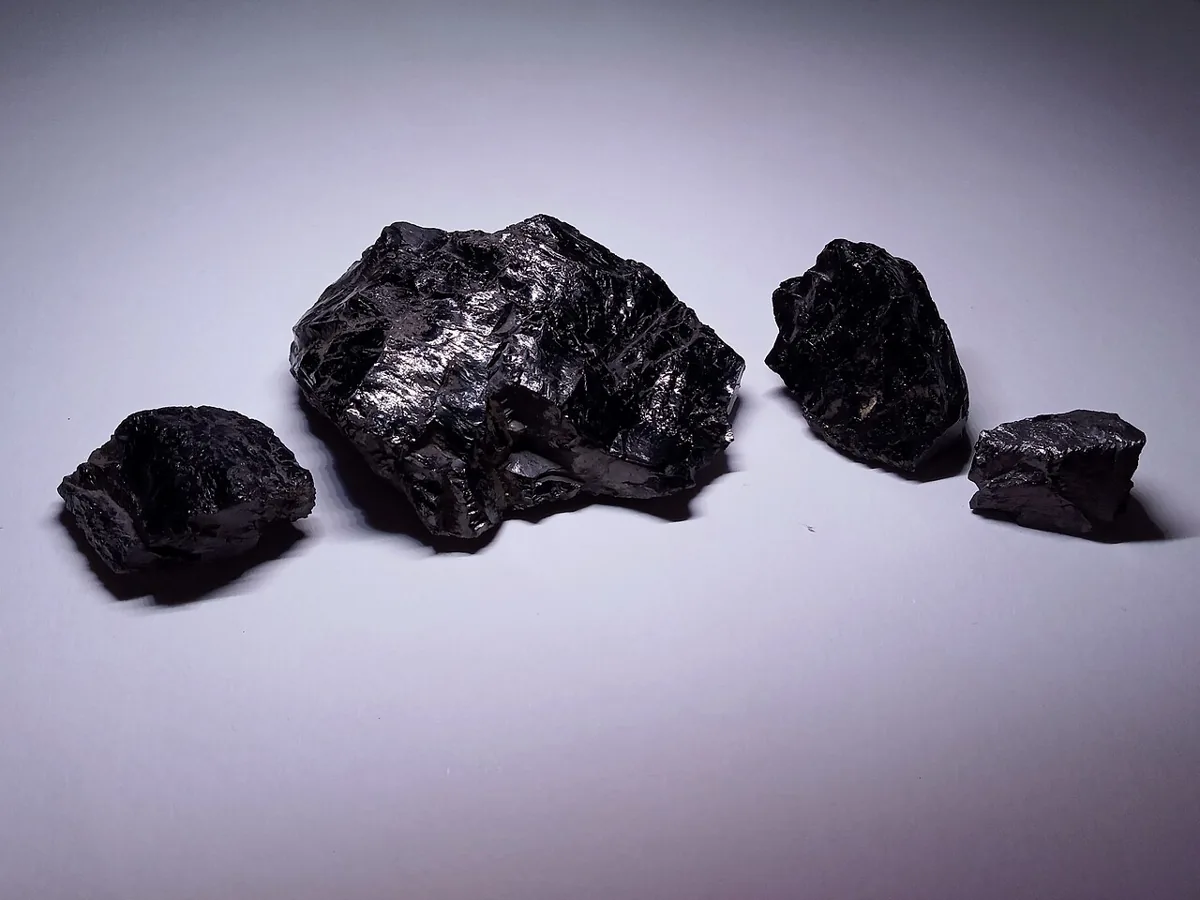
The Trump administration has propped up 90 of the nation's 184 operating coal plants with taxpayer cash, Clean Air Act exemptions, or orders to stay online past their retirement dates. That's nearly half the fleet, and one of the beneficiaries is a Texas plant a Rice University study linked to as many as 177 premature deaths a year.
Half the Fleet Gets a Favor
Here's the math. A new Environmental Defense Fund analysis, reported by The Guardian, looked at the 184 coal plants currently connected to the grid. Ninety of them got help from the Trump administration. That help came as "cash handouts, free passes to pollute, and requirements to stay online past their retirement dates."
The breakdown is simple. Twenty-four plants split $950m in taxpayer dollars. Seventy plants received Clean Air Act exemptions from toxic pollution limits. Same administration, two flavors of generosity, one industry that has been losing money and customers for years.
Surbhi Sarang, a director and senior attorney at EDF, put the cost to ordinary people bluntly: "It's like Americans are getting hit twice." Once through higher electricity costs. Once through the pollution. Two for the price of one, which is the only bundle deal this administration seems to believe in.
The Exemption Was Basically a Mail-Order Service
How do you get a free pass to pollute? You ask. Politely. By email.
In the early days of the second Trump term, companies were invited to email the administration to request an exemption from the EPA's 2024 update to the Mercury and Air Toxics Standards. EDF obtained the resulting emails through Freedom of Information Act requests, and the theme is consistent. The companies were worried the standards would cost them too much money.
That's it. That's the review process. A utility says compliance is expensive, and the government agrees that expensive things shouldn't have to be done. The original standards, which took effect in 2015, cut dangerous power plant pollution by more than 90%. The 2024 update was meant to squeeze out more. The administration went on to repeal the update in February.
Colstrip and the $500 Million Ask
Take the Colstrip plant in Montana, which has run for more than 40 years and releases mercury, arsenic, lead and nickel near communities like the Northern Cheyenne reservation. Sarang called it one of the dirtiest coal plants still operating in the country.
The 2024 standard would have cut allowable emissions of toxic metals like nickel, arsenic and lead from coal plants by two-thirds. NorthWestern Energy and Talen Energy, which operate Colstrip, asked for an exemption. In March 2025, NorthWestern CEO Brian Bird emailed the Department of Energy asking for a 15-minute chat with administrator Lee Zeldin. He argued it was "ludicrous" that customers would have to cover "a $500m investment for such a slight improvement to particulate matter capture."
NorthWestern got its exemption. The company told The Guardian its technology at Colstrip is "state of the art" and 99.6% efficient at removing filterable particulate, and that the 2024 rule would have required 99.8% by 2028 at a cost of hundreds of millions. Sarang's counterpoint: the plant hasn't installed modern pollution controls, and meeting the new standard would have forced upgrades with "pretty significant impacts on air pollution." You can decide which of those two descriptions sounds like a plant that wants to be regulated.
The Deadliest Plant in Texas Gets a Pass
Now the part that should make you put the coffee down. The W.A. Parish plant outside Houston also received an exemption. Neighbors have been demanding it shut down over its CO2 emissions and what they describe as hazardous particulate levels.
A 2018 Rice University study found the plant is responsible for as many as 177 premature deaths each year from PM 2.5, the particles small enough to slip through the lungs into the bloodstream and cause respiratory disease, heart attacks and strokes. Rice professor Daniel Cohan said, "Our research has shown that WA parish is the deadliest power plant in Texas."
Its owner, NRG, asked for relief across all of its coal facilities, arguing in an email that compliance would force plants to "derate," taking megawatts off the grid, and that "razor thin margins" put affordability and reliability at risk. NRG didn't respond to The Guardian's request for comment. Funny how that works. The email to the government was detailed and urgent. The email from a reporter went unanswered.
Zombie Plants, Real Bills
Cohan explained the economic logic better than any press release could. Many coal plants in this country are "barely on the edge of breaking even," he said, and any rule that forces them to spend money cleaning up is likely to push some toward retirement, replaced by cheaper and cleaner sources.
So the exemptions aren't a side effect. They're the point. Take away the cost of cleaning up, and a plant the market wanted to bury gets to shamble along another few years. Add $950m in taxpayer cash and orders to stay online past retirement dates, and you've got a zombie fleet on government life support.
The bill for that arrives twice, just as Sarang said. Once in the electricity costs that come from keeping aging, inefficient plants running. Once in the lungs of whoever lives downwind. Nobody sends you an invoice for the second one.
The Dingo Take
Who exactly is this for? Not the ratepayers, who get stuck with higher costs. Not the people living near Colstrip or W.A. Parish, who get the arsenic and the fine particulates. Not the taxpayers, who just wrote $950m in checks to plants that couldn't make it on their own. The beneficiaries are a handful of utility executives who sent a few emails and got exactly what they asked for.
Notice how little resistance was required. A CEO asks for 15 minutes with the EPA administrator, calls a safety upgrade "ludicrous," and gets an exemption. A company warns about "razor thin margins," and the plant Rice researchers call the deadliest in Texas gets a pass. If you're a family in Northern Cheyenne country or east of Houston, nobody invited you to email anyone.
This administration loves to talk about unleashing American energy and cutting costs. Fine. Then explain why it takes taxpayer cash and a license to pollute to keep half the coal fleet alive. A product people actually wanted wouldn't need $950m and a pile of exemptions to survive. It would just survive. This is a bailout with a flag stuck in it, and the people breathing the exhaust never got a vote.



Comments