Six American service members died in a drone strike on a command post in Kuwait, and the Defense Secretary's explanation the next day was that every once in a while you get "a squirter." Now an Army major who survived the attack has told Congress and "60 Minutes" that the base had nothing designed to stop an aerial attack, and that he said so to a general twice.
The man who called it a squirter is the one who also insisted the site was fortified. Both of those things cannot be true at the same time, and the whistleblower complaint says only one of them is.
Explain Like I'm 5 · 46-second video

Narrated and captioned. Made by The Dingo Daily from this article.
What Happened at Port Shuaiba
On March 1, in the opening days of Operation Epic Fury, a drone hit a tactical operations center at Port Shuaiba in Kuwait. It killed Army Reserve Capt. Cody Khork, 35; Sgt. 1st Class Noah Tietjens, 42; Sgt. 1st Class Nicole Amor, 39; Sgt. Declan Coady, 20; Maj. Jeffrey O'Brien, 45; and Chief Warrant Officer Three Robert Marzan, 54.
That is a 20-year-old sergeant and a 54-year-old warrant officer, dead in the same room. Remember the names. The Pentagon's preferred framing of the incident was a tidy little word for a rogue projectile.
The facts come from a whistleblower complaint sent to the House and Senate Armed Services committees Friday, first reported by the New York Post. The complaint was filed by Army Maj. Stephen Ramsbottom, who was there and lived.
The Man Who Survived Is Not Letting It Go
Ramsbottom served as deputy chief of operations for the Army Reserve's 103rd Sustainment Command. In an interview that aired Sunday on CBS News' "60 Minutes," he described "a tactical failure by the Army, our leadership, and myself, all the way down to my level."
Pay attention to that last part. He is not a guy dodging blame. He is putting himself in the failure column alongside the brass, which is more accountability than anyone in the chain of command above him has offered so far.
His description of the base is brutal. Port Shuaiba was equipped to "stop car bombs and threats like that. There was nothing there designed to protect from an aerial attack." The site was bracing for a truck, in a war that began with Iran, a country not exactly known for being short on drones.
He Told a General. Twice.
Here is the part that should keep Pentagon officials up at night. Ramsbottom says he took his concerns all the way up to Maj. Gen. John Hinson, the officer in charge of logistics for US Central Command.
"I brought it up twice in various meetings, basically saying, 'Hey, I don't see how we're protected here,'" Ramsbottom told "60 Minutes." Then the quote that matters: "[Hinson] said, 'We don't have to worry about protection.'"
We don't have to worry about protection. Six people are dead. Read that sentence again and tell me how it ages.
According to the complaint, the base also had no physician, no fixed aid station, and only one ambulance. So the plan, such as it was, appears to have been: no air defense, one ambulance, and good vibes.
The Counter-Drone System That Never Showed Up
Officials at Port Shuaiba did ask for help. Ramsbottom says they requested a counter-drone system and were told the Pentagon would try to send one.
"It never arrived at Shuaiba," he said. "And we don't know if it was ever even ordered or requested."
Try is doing a lot of work in that sentence. A request goes up, a promise comes back, and then there is a black hole where a piece of life-saving equipment should be. Nobody can say whether the thing was ever ordered. That is not a supply chain problem. That is a missing paper trail attached to a casualty count.
Hegseth's Squirter and Parnell's Six-Foot Walls
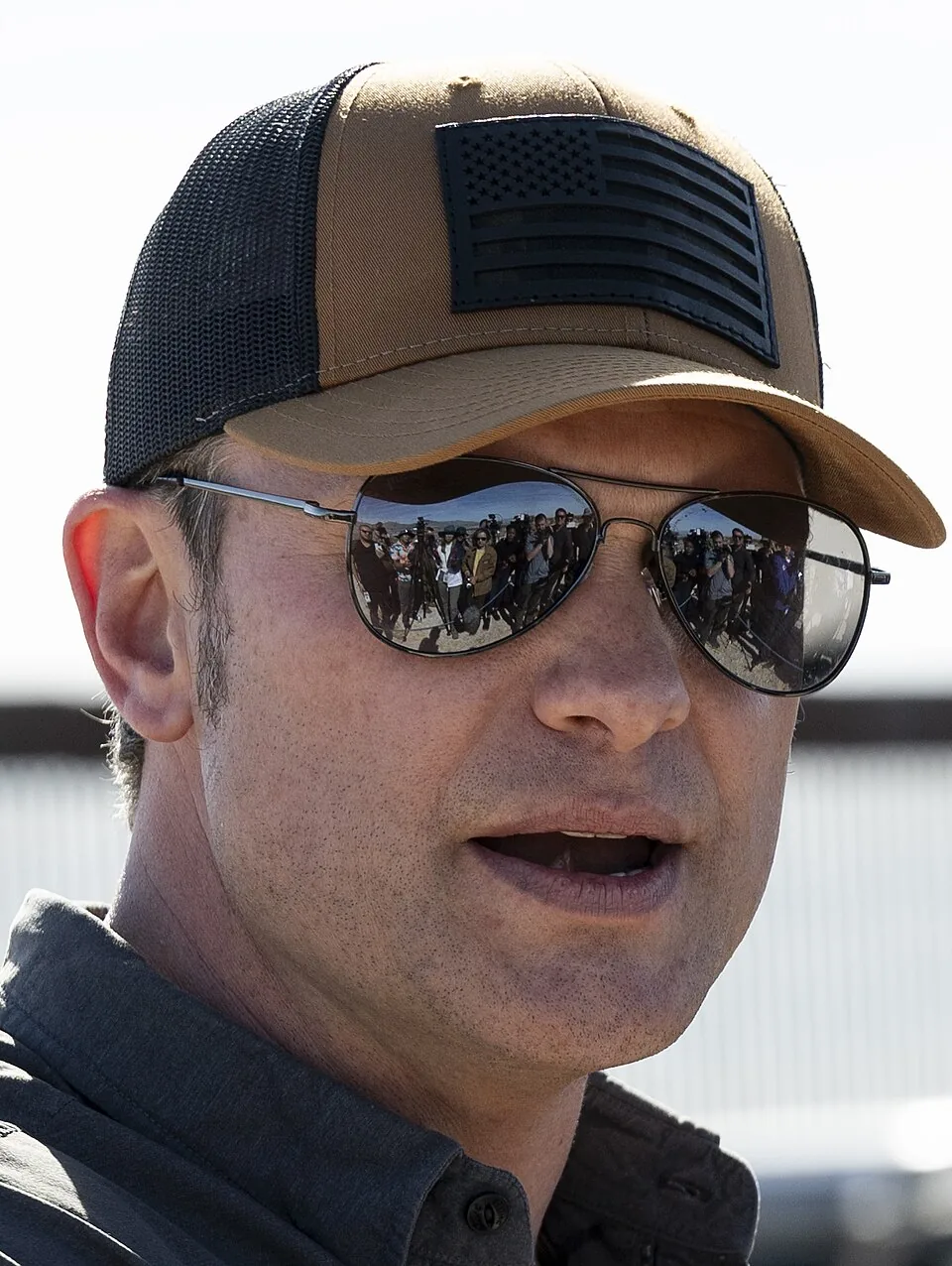
The day after the attack, War Secretary Pete Hegseth told reporters: "Every once in a while you might have one, unfortunately, we call it a squirter that makes its way through. And in that particular case it happened to hit a tactical operations center that was fortified. But these are powerful weapons."
A squirter. Six dead Americans, and the Secretary reached for a word that sounds like a bathroom joke at a frat party.
Pentagon spokesman Sean Parnell went further on March 3, posting on X that CBS reporting describing the site as a "makeshift office space" was "not true." His defense: "The secure facility was fortified with 6-foot walls." Six-foot walls. Against a drone. That is a fence built for a threat that flies over fences. Parnell also promised that "every possible measure has been taken to safeguard our troops" and that the military faced a "significantly weakened Iran." Every possible measure, except the counter-drone system that never arrived.
Congress Finally Wants Answers
Sen. Richard Blumenthal, the Connecticut Democrat who will chair the Senate's Permanent Subcommittee on Investigations, wrote to Hegseth on Sunday demanding a classified briefing and a full accounting of "all force protection assessments" for the Kuwaiti outpost.
"The families of the six fallen servicemembers, the wounded survivors, and the American people deserve transparency and accountability," Blumenthal wrote.
The Pentagon had no immediate response to Ramsbottom's complaint. That is a familiar posture for this department: say the walls were fine, then say nothing at all.
The Dingo Take
"Every possible measure has been taken to safeguard our troops." That was Pentagon spokesman Sean Parnell, eight months before a surviving major told the country that nothing at Port Shuaiba was built to stop a drone, that he warned a general twice, and that the requested counter-drone system never arrived. Every possible measure. Please. Somebody check whether the measure was a six-foot wall.
Here is what makes this one so grim. It is not a story about a freak event no one could have predicted. It is a story about a warning, delivered through the proper channels, to a general, who allegedly said not to worry. When a war starts with Iran, an air threat is not a surprise. It is the entire premise. Hegseth stood in front of cameras the next day and blamed a squirter, as though the physics of a drone were an act of God and not a predictable danger someone was supposed to plan around.
Maj. Ramsbottom did the thing nobody in this administration seems capable of doing. He said, on national television, that the failure went all the way down to his level, including himself. Contrast that with a department that responds to dead soldiers by arguing about the height of the walls. Blumenthal wants a classified briefing and every force protection assessment. Good. Get them. Put them under oath. Six families are owed more than a vocabulary lesson from the Secretary of War.


Comments