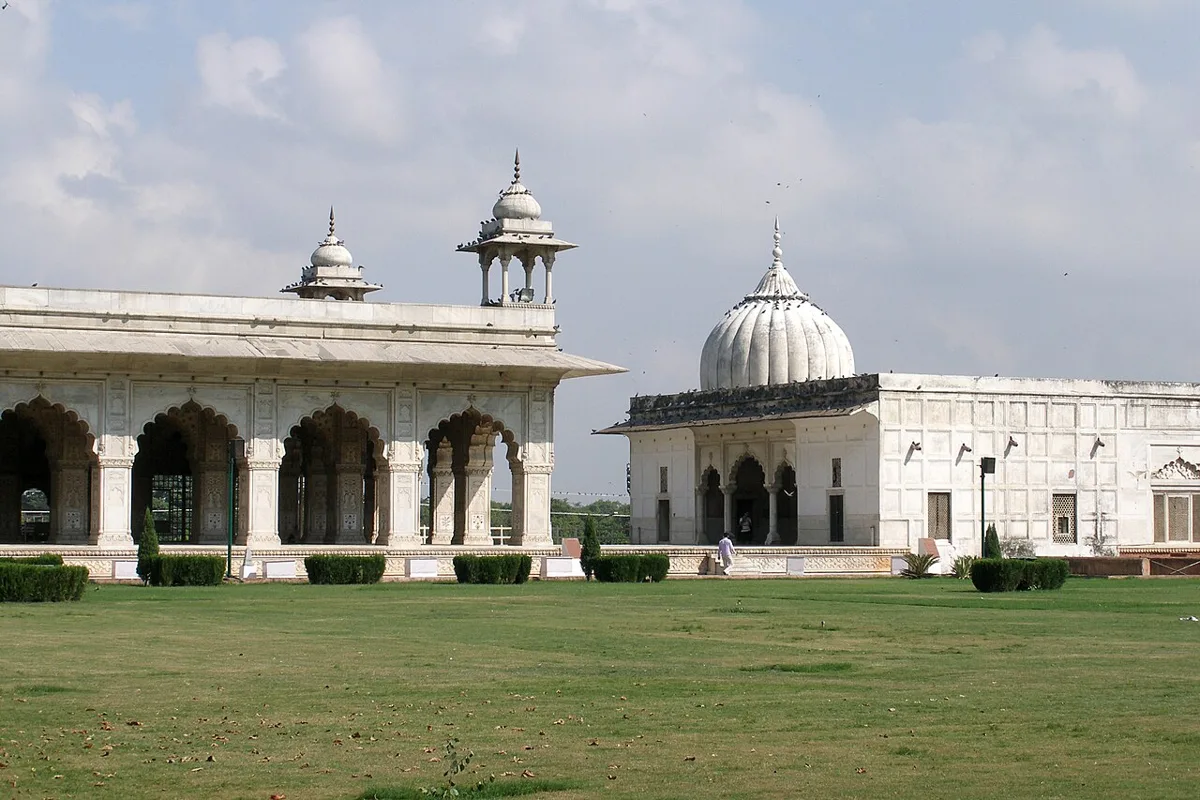
The plane landed fine. That was apparently the easy part. Shocking security footage from India's Rowriah Airbase in Assam shows an Indian Air Force transport aircraft completing what looked like a normal landing before veering off the runway, flipping into a grass field, and erupting into a fireball that killed five of the six people on board.
What the Camera Caught
The New York Post reports that security footage captured the entire sequence at Rowriah Airbase in Assam during what was supposed to be a routine training exercise. The Soviet-era Antonov AN-32 touched down, appeared to land normally, then went sideways. It left the runway, overturned in a grass field, and exploded.
Firefighters responded and extinguished the blaze. By then, the damage was done. Five military personnel were dead, and one co-pilot was pulled out alive, though with serious injuries. The kind of survival story that makes you believe in something, though you're not sure what.
The Five Who Didn't Make It Home
The Indian Air Force confirmed the identities of the five killed: Squadron Leader Prashant Singh, Flight Lieutenant Shubham Kumar, Sergeant Jitendra Sharma, Agniveervayu Khemaram Kumawat, and Agniveervayu Danish Alam. Ranks ranging from commissioned officer to enlisted airman. A full cross-section of people who showed up to work that morning and never came back.
"IAF extends its deepest condolences to the bereaved families and stands firmly with them in this hour of grief," the Indian Air Force said in a statement, according to the New York Post. The cause of the crash is currently under investigation.
The Plane Itself Is a Story
The AN-32 is a Soviet-era tactical transport aircraft that has been a workhorse of the Indian Air Force's fleet for decades. It was designed in the 1970s. To put that in context, the aircraft flying that training mission was older than most of the people on it.
The New York Post notes the AN-32 has long been a key part of IAF operations, which is a polite way of saying India has been flying Cold War-era cargo planes well into the 2020s. Whether the aircraft's age has anything to do with this crash is unknown at this stage. Investigators haven't said. But the question is sitting right there.
This Is Not the First Time This Year
The New York Post also notes that in March, two Indian Air Force pilots were killed when a Sukhoi Su-30MKI fighter jet crashed during a routine training mission, also in Assam. Two fatal training crashes in the same Indian state within three months. That's not a streak anyone wants to be on.
Training missions are supposed to carry risk precisely because they prepare pilots for the real thing. But there's a difference between managed risk and a pattern that demands serious institutional scrutiny. Whether Indian Air Force leadership is asking those harder questions right now isn't yet public.
The Dingo Take
Here's the thing about this story that sticks with you: the plane landed. It completed the hard part. Whatever went wrong happened after touchdown, in the seconds when everyone on board probably thought the exercise was wrapping up normally. That's a specific kind of tragedy, the kind where survival feels like it was right there and then wasn't.
The co-pilot who walked away with serious injuries from a flipping, exploding aircraft is by any measure extraordinarily lucky to be alive. The five who didn't make it deserved the same luck. Squadron Leader Prashant Singh, Flight Lieutenant Shubham Kumar, Sergeant Jitendra Sharma, Agniveervayu Khemaram Kumawat, Agniveervayu Danish Alam. Their names are worth saying out loud.
The investigation will do what investigations do. It will produce findings, assign causes, maybe recommend fixes. What it cannot do is answer for a military that keeps losing people on training runs, in the same region, flying aircraft that were built when disco was still culturally relevant. At some point that stops being bad luck and starts being a systemic problem that someone with authority needs to own.


Comments