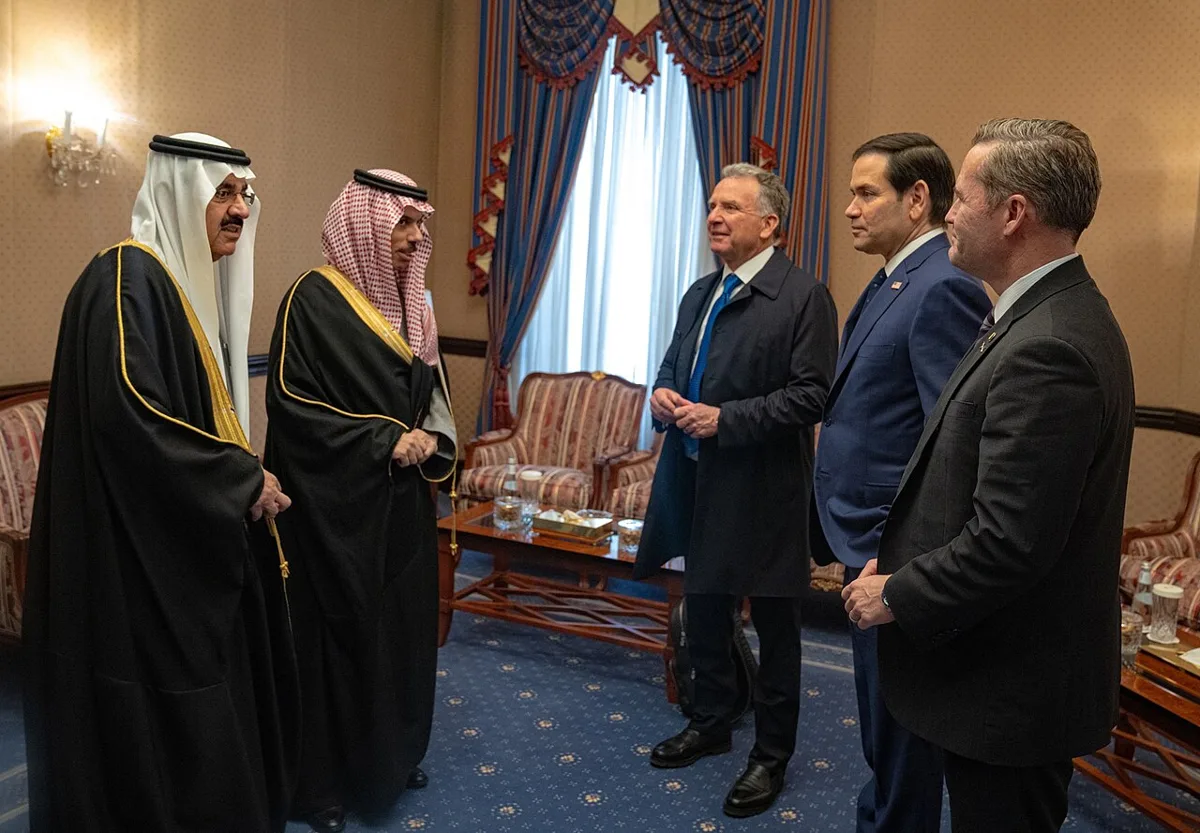
The CIA Director walked into a room with the President of the United States and told him, based on actual intelligence gathered by actual spies, that Iran probably won't give up its nuclear program the way the administration is hoping. This is, by any reasonable measure, a significant thing to be told. The response, apparently, was to keep negotiating.
What Ratcliffe Actually Said
According to Axios, CIA Director John Ratcliffe briefed Trump and other senior officials with intelligence suggesting Iran has serious reservations about making the nuclear concessions the U.S. is pushing for in any final agreement. Three sources familiar with those discussions confirmed the substance of the briefing. This isn't a leak from a disgruntled mid-level analyst. This is the director of the Central Intelligence Agency telling the president that the deal he wants may not be the deal he's going to get.
The distinction matters. Ratcliffe isn't some career bureaucrat with an axe to grind. Trump appointed him. He is, in theory, one of the people whose job it is to tell the president uncomfortable truths based on the best available information the entire American intelligence apparatus can produce. When that person raises red flags, the expectation in a functioning government is that someone writes it down and people take it seriously.
He's Not Even the Only Skeptic in the Room
Here's where it gets genuinely strange. Axios reports that Ratcliffe isn't alone in his doubts. Secretary of State Marco Rubio and Secretary of Defense Pete Hegseth have both raised concerns and asked pointed questions about the deal in internal discussions. So you have the CIA Director, the Secretary of State, and the Secretary of Defense all expressing reservations about a major foreign policy initiative being pursued by the administration they all serve.
That is not a normal situation. In a normal White House, three cabinet-level officials independently flagging problems with a deal would, at minimum, trigger a serious policy review. It would prompt hard questions in the Situation Room. It might even slow things down. What it would not typically do is produce more Steve Witkoff press appearances.
The fact that the talks have reportedly continued moving forward despite this level of internal skepticism tells you something about how this White House actually operates. Either the concerns are being heard and dismissed, or they're being heard and ignored, and the difference between those two outcomes is smaller than you'd think.
The Witkoff Factor
Steve Witkoff, a real estate developer and Trump friend who has somehow become the administration's point man on both the Russia-Ukraine conflict and Iran's nuclear program simultaneously, has been pushing the diplomatic track forward. The source material notes that Witkoff sits on the other side of this internal argument from Ratcliffe, Rubio, and Hegseth.
Let that sentence wash over you for a moment. The CIA Director, the Secretary of State, and the Secretary of Defense are on one side of a policy debate about Iran's nuclear intentions. A real estate developer from New York is on the other side. Guess which side appears to have the president's ear on the pace of negotiations.
This is not a knock on anyone's sincerity. Witkoff may genuinely believe a deal is achievable. But the question of whether Iran will actually surrender meaningful parts of its nuclear program is precisely the kind of question where you want to weight the opinion of people who have read the classified signals intelligence. That's what it's there for.
What Iran Actually Wants from This
Iran's position throughout these negotiations has been consistent, if not always clearly communicated to the American public. Tehran wants sanctions relief. It wants economic breathing room. What it has historically been far less enthusiastic about is the kind of deep, verifiable dismantlement of its nuclear infrastructure that would satisfy hawks in Washington and, more importantly, the Israelis.
The gap between what the U.S. is publicly seeking and what Iran has historically been willing to concede is not a minor technical disagreement to be resolved with clever drafting. It is a fundamental strategic divide. Iran's nuclear program is tied to its regional deterrence posture, its domestic politics, and the survival calculus of its government. The CIA, apparently, has intelligence suggesting Iran's internal position on this hasn't shifted as much as the administration's optimism implies.
The Clock Running in the Background
None of this exists in a vacuum. Israel has made clear, repeatedly and loudly, that it will not accept a nuclear-armed Iran. The Israeli government has its own intelligence services and its own read on how close Iran is to a weapons threshold. Whatever diplomatic process is underway in the background, the Israelis are watching it with profound skepticism and a demonstrated willingness to act unilaterally.
A deal that papers over the core disagreements without resolving them doesn't just fail diplomatically. It potentially fails catastrophically, because it gives everyone a reason to stop paying attention right up until the moment something irreversible happens. A bad deal, in this context, can be worse than no deal at all. That's not an editorial opinion. That's the explicit concern driving the skepticism from Ratcliffe and others inside the administration itself.
The Dingo Take
The remarkable thing about this story isn't that there's internal disagreement in the Trump White House. There's always internal disagreement in the Trump White House. The remarkable thing is the specific shape of it. The people with access to the actual intelligence, the people whose careers and institutions are built around knowing things about foreign governments, are on the pessimistic side of this argument. The people who are bullish on getting a deal done are, by and large, the political operators and the president's personal envoys.
That's not how good decisions get made. You bring in the intelligence community to tell you what's real, and then you make policy. You don't use the intelligence community as a speed bump between the White House and the deal your boss wants to announce on television. Ratcliffe apparently did his job. The question now is whether anyone in that building is listening.
If this deal collapses, or worse, if it gets signed and then falls apart because Iran never intended to follow through, this briefing is going to be exhibit A. Three sources told Axios about it. The paper trail exists. The CIA Director told the president the intelligence said Iran wasn't ready to concede what the U.S. was asking for. What happened next is being written right now.


Comments