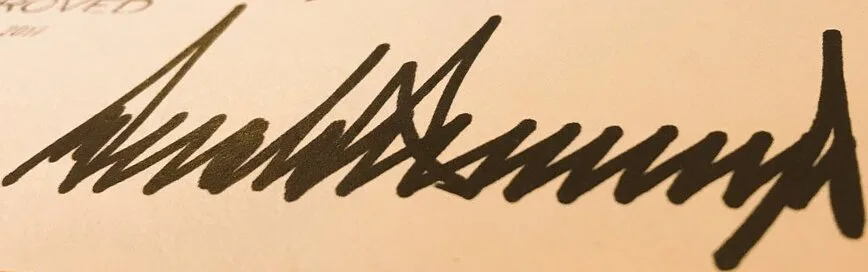
Donald Trump stood next to Emmanuel Macron in France on Monday and announced that a memorandum of understanding with Iran is 'all signed,' which is either a historic diplomatic breakthrough or exactly the kind of thing you say when you want people to stop asking questions. The text of the deal, however, will not be released until sometime after Friday at the earliest, because apparently in 2026 we're doing major international arms agreements on the honor system.
What Trump Actually Said, Word for Word
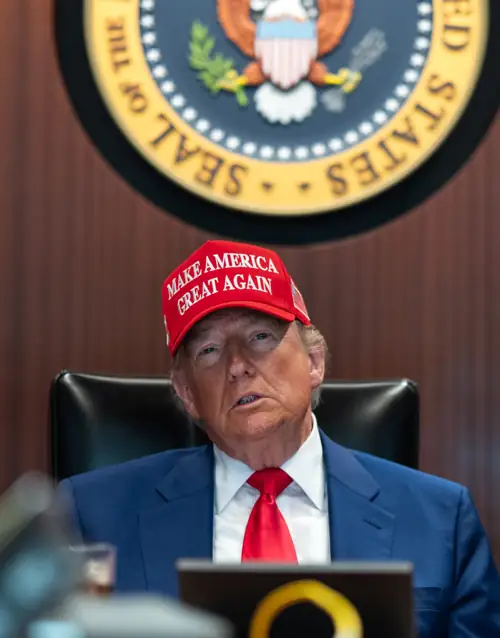
At the G7 summit in Evian-les-Bains, France, Trump told reporters alongside Macron: 'The deal's all signed. And the strait is already partially opened.' He was referring to the Strait of Hormuz, the critical waterway through which roughly a fifth of the world's oil supply flows, which Iran has been mining and partially blockading. Trump said they'd be 'doing a little hunting' for mines to make sure the strait is safe for ships. Light, casual stuff.
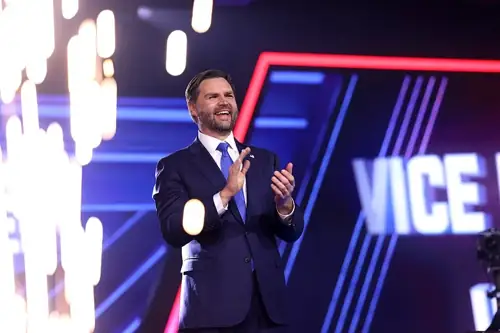
According to CBS News, a senior administration official confirmed that Trump, Vice President JD Vance, and Iranian Parliament Speaker Mohammad-Bagher Ghalibaf all signed the memorandum. A signing ceremony is expected on Friday, though Trump said he may not attend. Vance will represent the U.S. at the ceremony. So the deal is signed, but the ceremony is still coming, but the text isn't out yet. Everyone clear? Good.
Sixty Days to Figure Out the Hard Part
The memorandum of understanding is, per CBS News, designed to kick off 60 days of negotiations toward a final deal. Which means what got signed this week is more of a handshake agreement to negotiate than an actual finished deal. Think of it less as signing a contract and more as agreeing to eventually sign a contract, if the next two months of talks go well.
The lingering questions are not small ones. CBS News reports that senior administration officials flagged several unresolved issues: how to extract and destroy Iran's stockpile of enriched uranium, how inspections inside Iran will actually work, and how safe the strait will be once mine-clearing operations begin. These are, to put it gently, the entire substance of any nuclear deal. The hard stuff. The part that took years to negotiate the last time anyone tried this.
The Strait Is 'Partially' Open, Which Is One Way to Put It
Defense Secretary Pete Hegseth said Sunday on Face the Nation that he believes the process of reopening the Strait of Hormuz can begin 'immediately.' Secretary of State Marco Rubio said earlier this month that the U.S. will help clear the mines Iran placed there. Britain and France may also contribute ships to help with the mine-clearing effort, according to a senior administration official cited by CBS News.
That's the good news. The less good news is that the strait is currently full of mines, is only partially open by the White House's own description, and the people who put those mines there are now in a 60-day negotiation that hasn't even officially started yet. Global oil markets are presumably watching this very carefully and taking deep, calming breaths.
Meanwhile, France Is Thrilled to Be Relevant Again
Macron congratulated Trump on the memorandum signing, because of course he did. Macron has been trying to make France indispensable to American foreign policy since roughly the first Trump term, and having the G7 summit on French soil while a major Iran deal gets announced is exactly the kind of optics win he lives for. The summit is being held in Evian-les-Bains, a resort town on Lake Geneva that you may recognize as the name on a very expensive water bottle.
The rest of the week is stacked. CBS News reports that Trump's schedule includes a working session with Ukrainian President Volodymyr Zelensky on Tuesday, bilateral meetings with Qatar's emir and the UAE president, a working lunch with Middle East leaders, meetings on AI and tech innovation, and a dinner at the Palace of Versailles on Wednesday evening. The president departs France on Wednesday, which means the Versailles dinner is the send-off. Nobody throws a going-away party like Macron.
The Part Where We Point Out What We Don't Know
Here is a partial list of things the public does not yet know about this deal: what it actually says, what Iran committed to specifically, what the U.S. committed to in return, whether existing sanctions will be lifted and under what conditions, and what happens if the 60-day negotiation produces nothing. The administration has told us the deal is signed, the strait is partially open, and the text might come out after Friday. That is the full inventory of confirmed information.
This is not a small thing to point out. The Iran nuclear deal under Obama, the one Trump spent years denouncing and eventually withdrew from in 2018, was a 159-page document with detailed technical annexes that took two years to negotiate. We are being asked right now to take the word of an administration that has a complicated relationship with specifics that something significant and real has been accomplished. That may well be true. We genuinely don't know, because we haven't seen the document.
The Dingo Take
Let's be honest about what we're dealing with here. If this is real, if a genuine memorandum that leads to a final Iran nuclear deal actually emerges from this, it would be a significant foreign policy achievement. The Strait of Hormuz being reopened would matter enormously to global energy markets. A verified halt to Iran's nuclear program would matter to everyone who lives on this planet. Credit where it's due: those would be real things.
But the signature move of this administration has been to announce the deal before the deal exists, to declare victory before the game is over, and to release information strategically rather than transparently. 'The deal's all signed' followed immediately by 'you can't read it until after Friday' is a very specific combination of words that should make any journalist, or any citizen, ask some follow-up questions. The 60-day negotiation clock starts on a document nobody outside the room has read.
Watch what happens in those 60 days. Watch whether the full text actually gets released. Watch whether the enriched uranium question gets a real answer. And watch whether, six weeks from now, we're still celebrating a memorandum of understanding while the substance quietly collapses behind the scenes. Hope for the best. Demand the receipts.



Comments