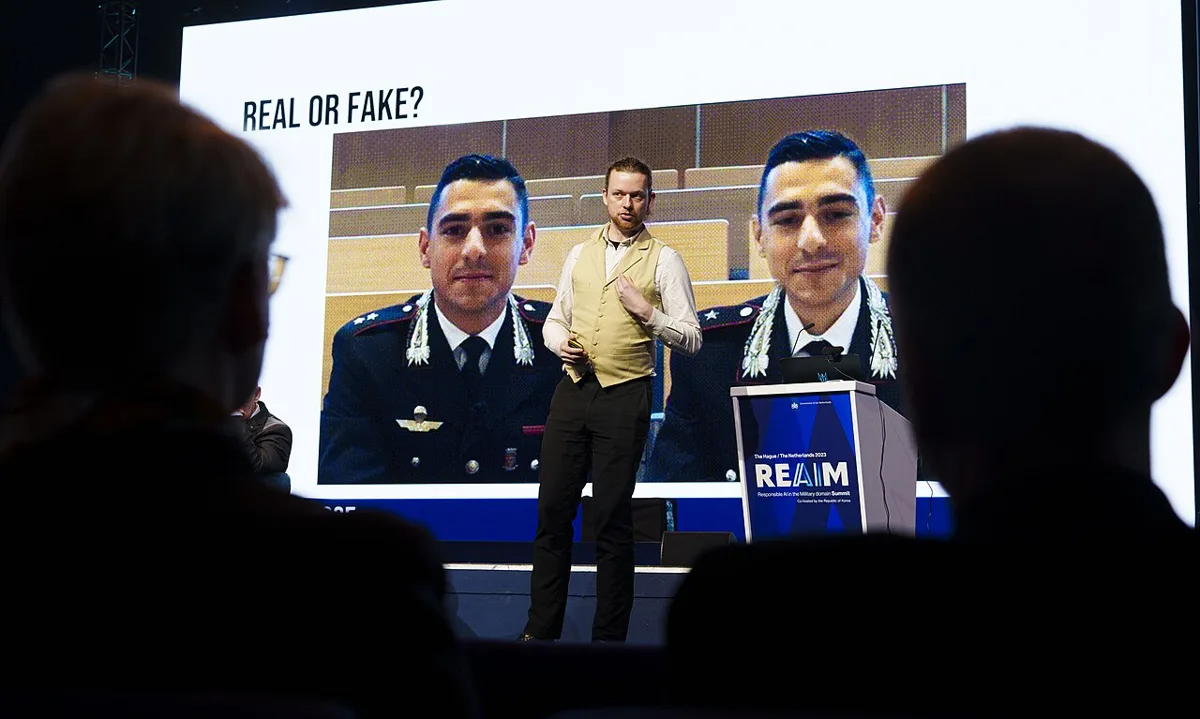
Political campaigns are now running AI-generated attack ads that place their opponents in completely fabricated, compromising situations, and here is the kicker: they do not have to tell you any of it is fake. According to Axios, this largely unregulated practice has gone from a theoretical concern to a standard campaign tool in the run-up to the 2026 midterms. The line between reality and fiction in American political advertising is not blurring anymore. It is gone.
What's Actually Happening Out There
Axios is reporting that AI-generated clips and images have become a routine feature of modern attack advertising. Candidates are being depicted in situations that never happened, saying things they never said, standing in places they never stood. The technology that makes this possible costs almost nothing to deploy and requires almost no expertise to use.
Some campaigns are voluntarily disclosing when they use AI-generated content in their ads. Good for them, genuinely. But that disclosure is entirely optional, which means the campaigns with the least interest in honesty are also the campaigns with zero obligation to tell voters they are being fed a fabricated reality.
The Rules, Such As They Are (There Aren't Many)
Here is where it gets properly infuriating. There is no federal requirement that campaigns disclose AI-generated content in political advertising. None. The Federal Election Commission has been moving at the speed of a sedated tortoise on digital media regulation since the internet was invented, and it has not suddenly found its footing on artificial intelligence.
Axios notes that Democrats want to change this if they retake Congress in November. Which is a fine goal, if you enjoy watching the barn door get bolted after the horses have been AI-generated and placed in a series of embarrassing scenarios. The midterms are happening now. The ads are running now. The damage to voters' grip on reality is happening right now, not after some hypothetical future legislative session.
This Isn't Sci-Fi Anymore and That's the Problem
It was easy, not so long ago, to wave this concern away. AI-generated political content was clunky, unconvincing, something only a very credulous person would mistake for reality. That moment has passed. The technology has improved faster than anyone in Washington was prepared to take seriously, and the result is attack ads that are genuinely difficult for ordinary viewers to identify as fake.
Axios describes this as warping the unspoken norms of political campaigns. That framing is almost too gentle. What it is actually doing is poisoning the informational environment that democratic elections depend on. Voters making choices about who should run their government cannot make those choices well if the information they are receiving is a mix of real footage and synthetic fabrications, with no labels distinguishing one from the other.
Who Benefits From Keeping This Unregulated
Ask yourself who gains the most from a world where campaigns can run completely fabricated attack content without any disclosure requirement. It is not the candidate who actually has a strong record to run on. It is not the campaign that believes its opponent is genuinely terrible on the merits and has real footage to prove it. It is the campaign that needs to manufacture a version of its opponent that does not exist.
The voluntary disclosure some campaigns are making is genuinely worth acknowledging. It suggests there are people inside campaigns who understand this is wrong and are trying to hold a line on their own. But voluntary norms in competitive political environments are worth approximately nothing once one side decides the norms are for suckers. And someone always decides the norms are for suckers.
The Broader Rot This Feeds
It would be nice to treat this as an isolated campaign ethics story. It is not. The spread of AI-generated political content feeds directly into the larger collapse of shared factual reality that has been one of the defining features of American political life for the past decade. We already live in an environment where a substantial portion of the electorate believes things that are documentably false. Now we are adding a technology that makes it trivially easy to manufacture convincing fake evidence.
The timing, heading into the 2026 midterms, could not be worse. Control of Congress is genuinely in play. The races that will determine whether any oversight of the executive branch exists for the next two years are being contested right now, in an information environment where a candidate can be depicted doing or saying anything, and campaigns face no legal obligation to flag the fiction.
The Dingo Take
The thing that should keep you up at night is not any single fake ad. It is the cumulative effect of an election cycle where voters have no reliable way to know which attack ads reflect reality and which ones were generated by a laptop and some software in an afternoon. Democracy runs on imperfect information at the best of times. This is not the best of times.
Congress has had years to get ahead of this. The FEC has had years to get ahead of this. What they produced was essentially nothing, and now the campaigns least committed to honesty have a powerful, cheap, and completely legal tool to deceive voters at scale. The 'wait until we have the votes to fix it' approach to regulating technologies that are actively shaping elections is a strategy that assumes there will always be a next election to get it right. That assumption is doing a lot of work right now.
The campaigns voluntarily disclosing their AI use deserve a small amount of credit. The ones that are not disclosing deserve to be named and shamed every single time one of their ads runs. And the lawmakers who have sat on this issue for years while the technology outpaced their willingness to act deserve whatever electoral environment they have helped create. Unfortunately, so do the rest of us.

Comments