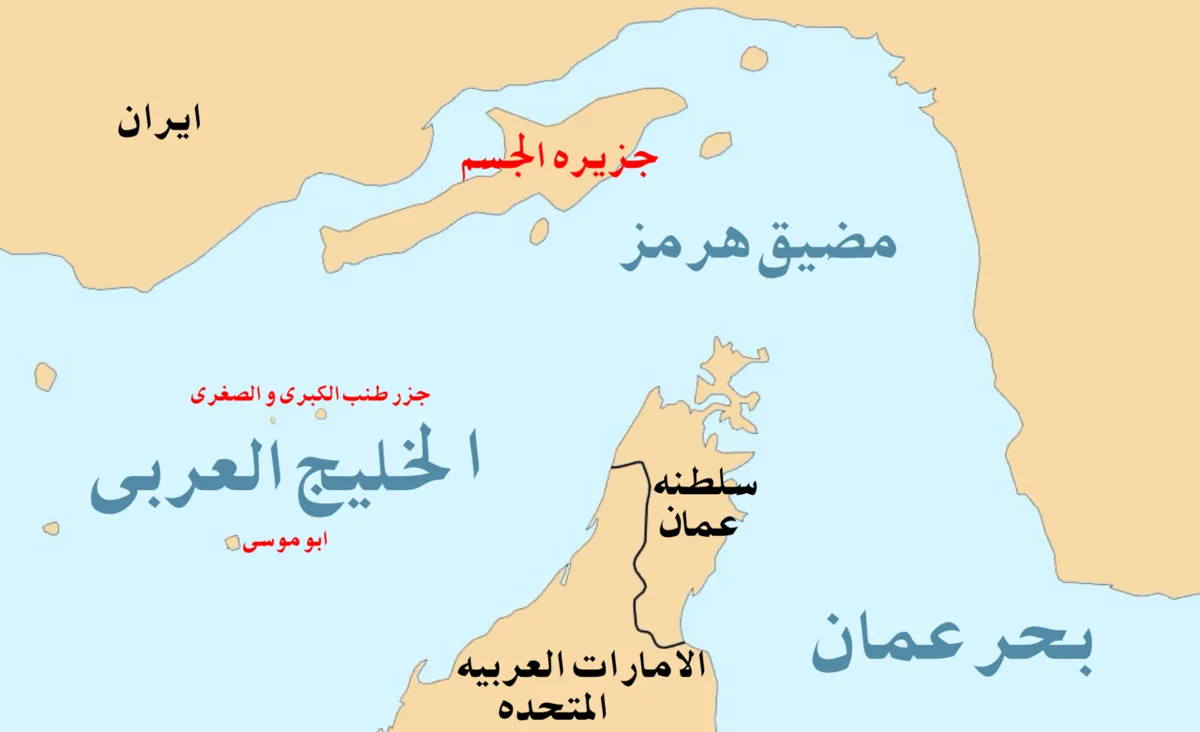
Donald Trump took to Truth Social on Sunday to personally authorize the opening of the Strait of Hormuz and invite the ships of the world to start their engines. The ships of the world said: thanks, we'll wait. Because when one of the most consequential waterways on Earth may still be full of Iranian sea mines, a presidential tweet is not exactly the safety guarantee the maritime industry had in mind.
Trump's Weekend Decree vs. Monday's Reality
Here's the situation. The U.S. and Iran are set to sign a memorandum of understanding this Friday in Switzerland that would formally lift restrictions on traffic through the Strait of Hormuz. Before the U.S. and Israel launched strikes on Iran on February 28, about a fifth of the world's oil and gas supplies moved through that waterway. Iran's retaliatory attacks on commercial vessels shut that down almost completely and sent global energy prices through the roof.
On Sunday, Trump posted on Truth Social that he was "hereby fully authorizing the toll free opening of the Strait of Hormuz" and simultaneously ordering the removal of the U.S. naval blockade. "Ships of the World, start your engines," he wrote. "Let the oil flow!" By Monday he was claiming tankers were already moving through a southern route that was, in his telling, "totally safe, secure, and pristine."
There is a small problem with this framing. The Joint Maritime Information Center, which is a multinational naval operation that includes the U.S. military, issued an advisory on Monday warning that the American blockade of Iran's ports and vessels would remain in effect until Friday, pending execution of the ceasefire. The threat level in the strait, per that advisory, remained "SEVERE." So the president declared the waterway open on Sunday. His own military said it was still blockaded on Monday. Cool system.
The Industry Has a Different Word for 'Pristine'
The actual shipping industry, which has considerably more skin in this game than anyone posting on Truth Social, is not moved by the presidential enthusiasm. Jakob Larsen, head of safety and security at BIMCO, one of the largest international shipping associations, said Monday that "due to lack of details and a history of overly optimistic reassurances," the security situation "remains volatile" and the industry still considers it "very risky" to commence transits right now.
Mitsui OSK Lines, a major Japanese logistics company, told CBS News that its policy "remains unchanged" and that operations won't resume until safety has been "sufficiently confirmed." The CEO of another major carrier told the Financial Times that what's needed isn't just a diplomatic agreement but something that gets "translated into the real situations in the Strait of Hormuz" before shipping lines feel comfortable going through. He estimated that could take at least a couple of weeks, possibly a month.
Hapag-Lloyd, one of the world's biggest container carriers, told CBS News it would "most likely take around three to four months" before cargo flows return to normal. Danish giant Maersk told Reuters on Monday it was still "too early to assess" the deal's impact and that there were no changes to its regional operations. Public tracking data shows shipowners have been repositioning empty vessels in anticipation of a rush when the strait fully reopens, but the actual traffic is a trickle compared to the roughly 135 ships per day that passed through before the war.
About Those Mines
Here is the part of the story that Trump's Truth Social post did not address. Reuters cited sources in the shipping industry saying that removing Iranian sea mines from the strait could take 40 to 50 days. Larsen of BIMCO confirmed that the mine threat "remains a concern immediately as well as further down the line" and that mine-free routes need to be established before anyone can responsibly send a vessel through.
Shipping analyst Richard Meade at Lloyd's List put it plainly: none of what's happening this week "should be mistaken for a return to normality." The text of the U.S.-Iran agreement has not been shared by either government, and nobody outside those two governments seems to know exactly what the practical reopening steps actually look like in practice.
Marine insurance firms, the people who literally price the risk of ships getting blown up or seized, are not adjusting their rates yet. One maritime insurer in Singapore told Lloyd's List that premiums are "quick to go up, slow to go down" and that they'd only reconsider after seeing "solid evidence" of genuine safety improvements. Insurance companies, in other words, are waiting for facts. Novel concept.
What the Deal Did Actually Accomplish
To be fair, and we will be fair because facts matter even when they're inconvenient, the tentative agreement between Washington and Tehran did accomplish something real. Global equity markets rallied sharply after Trump's Sunday announcement. Crude oil prices dropped nearly 5% this week. That is not nothing, given how badly the war rattled energy markets over the past 109 days.
Hapag-Lloyd's spokesman told CBS News the agreement gives "reason to hope" for an improved security situation and said the company is currently reevaluating its risk assessment for the strait. That's cautious diplomatic language for "we're paying attention and we'll believe it when we see it." Which is roughly where the entire industry sits right now.
The Longer Problem Nobody Wants to Say Out Loud
Iran spent the last three and a half months demonstrating, pretty effectively, that it can use the Strait of Hormuz as a geopolitical pressure valve whenever it wants to. Analysts believe the risk of another closure doesn't just evaporate because a memorandum of understanding gets signed in Switzerland. That knowledge is now permanently baked into how every shipping company, insurer, and energy buyer on the planet thinks about the Persian Gulf.
That's not a problem Trump can solve with a Truth Social post, a naval blockade, or an exclamation point after "Let the oil flow." Rebuilding confidence in a trade route that was turned into a war zone takes time and, crucially, verified on-the-ground reality. The shipping industry didn't get to be a multi-trillion dollar global backbone by trusting vibes.
The Dingo Take
Look, Trump declaring a waterway "totally safe, secure, and pristine" while his own military simultaneously warns ships to stay the hell away is not a communications strategy. It's a man with a phone and a platform confusing the announcement of a thing with the accomplishment of the thing. These are not the same. One takes a Sunday afternoon. The other takes mine-clearing equipment, verified ceasefire compliance, insurance actuaries, and probably a few months of nobody shooting at tankers.
The deal itself, if it holds, is genuinely significant. A fifth of the world's oil supply was functionally offline. Energy prices spiked. Global markets were rattled for over three months. Getting that waterway reopened matters enormously. Nobody rational is rooting against it. But the distance between "Trump posted that it's open" and "Maersk sends a fully loaded supertanker through without a risk premium" is measured in de-mined sea lanes and hard evidence, not Truth Social dispatches.
The shipping industry has been watching people get optimistic about the Strait of Hormuz for years. They have receipts going back decades on what happens when political agreements outrun operational reality in that part of the world. Their caution isn't pessimism. It's a business running on the right side of "don't sail your billion-dollar vessel into a minefield because a president said it was fine." Honestly? Respect.




Comments