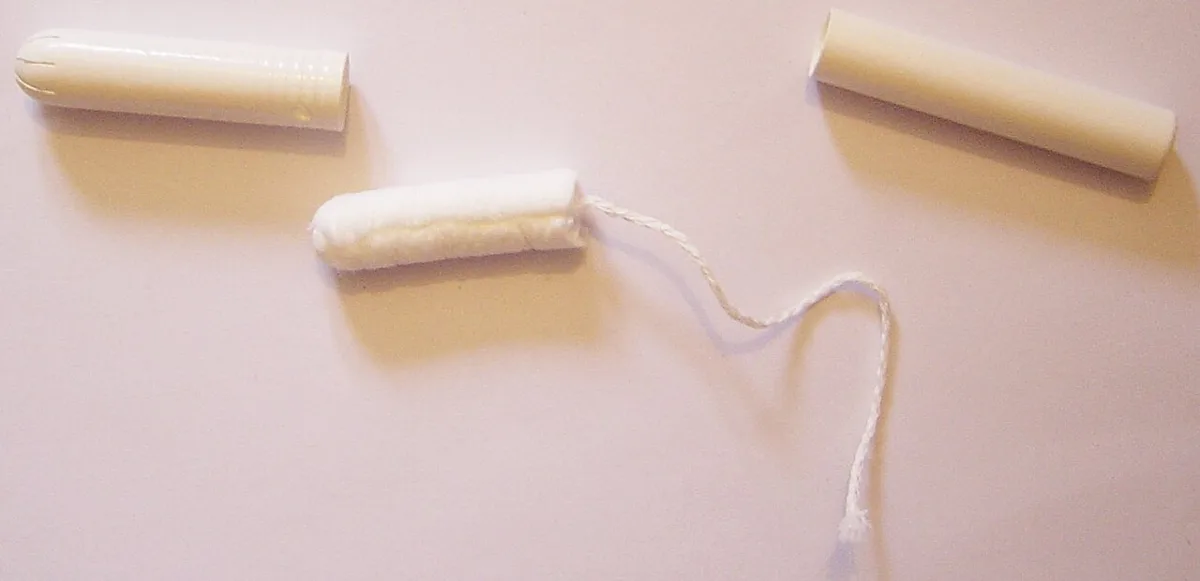
Pakistan has been slapping an 18% sales tax on menstrual pads and birth control for decades, classifying them as luxury goods, because apparently the Pakistani tax code was written by someone who has never met a woman. That changes July 1, when a new budget takes effect and the tax drops to zero, following a lawsuit filed less than a year ago that somehow moved faster than almost any other legal or legislative process in recorded history.
One in Ten Women. Think About That Number.
According to a 2025 UNICEF report, only about one in ten girls and women in Pakistan currently use commercially manufactured menstrual products. One in ten. That is not a supply chain issue. That is what happens when your government taxes basic hygiene items at the same rate as a flat-screen TV.
The 18% sales tax made sanitary napkins and similar products financially out of reach for enormous swaths of the population. Women and girls used cloth. They skipped school. They managed. Because when your government decides a pad is a luxury, you figure something else out, whether you want to or not.
Activist Bushra Mahnoor told NPR earlier this year that as an adolescent, she would simply not go to school on days she wasn't sure she could access a pad. 'It was a big taboo mentioning that you were on your period,' she said. 'But mentioning that you were on your period without access to a pad was just even more humiliating.' That is the direct, measurable cost of classifying menstruation as an extravagance.
The Lawsuit That Actually Worked
Human rights lawyer Mahnoor Omer filed a lawsuit in September 2025 specifically targeting the tax on menstrual products. Less than a year later, the Pakistani government has changed the budget. Omer herself called it unprecedented, and she is right. Court cases, legislative changes, bureaucratic shifts of any kind in any country rarely happen this fast.
Omer told NPR she is giving credit where it is due. 'It's less than a year which is unprecedented,' she said. 'Court cases take forever, and so do lawmakers and changing the law.' The lobbying effort and legal battle together got heavy media coverage in Pakistan, which almost certainly helped concentrate minds in the government.
Pakistan is now joining a list that includes India, Nepal, and Malawi in having removed or reduced taxes on menstrual products. It is a short list, which tells you something about how many governments around the world are still collecting money from people every time they have a period.
Here Is the Catch Nobody Wants to Talk About
Removing the tax is the win. But it is not the whole win, and reproductive health advocates are being careful to say so clearly. Emily Cruz, who works on menstrual health for the nonprofit Splash, pointed NPR to Malawi as a cautionary example. Malawi eliminated all taxes on menstrual products, and then the price for consumers stayed exactly the same. Nobody knows precisely why.
'Why haven't we seen the change in price?' Cruz asked. 'There's a question there that I feel like really needs to be unpacked.' Her working theory is that activists may need a second phase of the fight, pushing for subsidies or price-cap policies that prevent retailers from simply pocketing the tax savings instead of passing them along to the people who actually need cheaper pads.
Omer says Pakistan plans to track price changes after July 1. But she also flagged that other taxes, including import duties that can add up to around 20%, are staying in place. The 18% sales tax is gone. The full cost burden is not. Progress is real and also incomplete, which is basically the definition of progress.
The Tax Was Always the Smaller Problem
Omer was careful not to let the victory swallow the larger picture. 'You can reduce the tax, but that doesn't automatically reduce the stigma,' she told NPR. And the stigma in Pakistan around menstruation and reproductive health is, by her account, substantial and deeply rooted, especially in rural areas where basic health information on the topic barely exists at all.
She wants to see menstrual and reproductive health education folded into school curricula and public awareness campaigns. Because a cheaper pad does not help a girl who has been taught since childhood that her period is shameful, or who lives somewhere without reliable access to any products regardless of price.
This is the part that does not fit neatly into a budget line. Tax policy is fixable with a vote. Decades of culturally enforced shame around a normal biological function takes considerably more than a fiscal year to undo.
The Dingo Take
Let's be honest about what the phrase 'luxury tax on menstrual products' actually means in practice. It means a government looked at the monthly biological reality of half its population and decided the appropriate policy response was to treat it like a speedboat or a fur coat. For decades. While girls skipped school and women improvised with cloth because the alternative cost too much. That is not a bureaucratic oversight. That is a choice, made and maintained by people with the power to unmake it, who didn't bother until activists dragged them into court.
The fact that this took a lawsuit filed in September 2025 and produced results by July 2026 is genuinely remarkable, and Omer is right to celebrate it. It is also a little damning that 'less than a year' counts as lightning speed for addressing something this basic. Somewhere in a government building in Islamabad, somebody spent decades signing off on budgets that taxed tampons as luxuries and apparently never lost a night's sleep over it.
The fight is not over. Import duties remain. Retailers may eat the savings. The stigma will outlast every tax code. But a lawyer filed a lawsuit, people paid attention, and the government moved. That is the template. It should not require a legal battle to convince a government that menstrual products are not caviar, but here we are, and at least this time the battle worked.





Comments