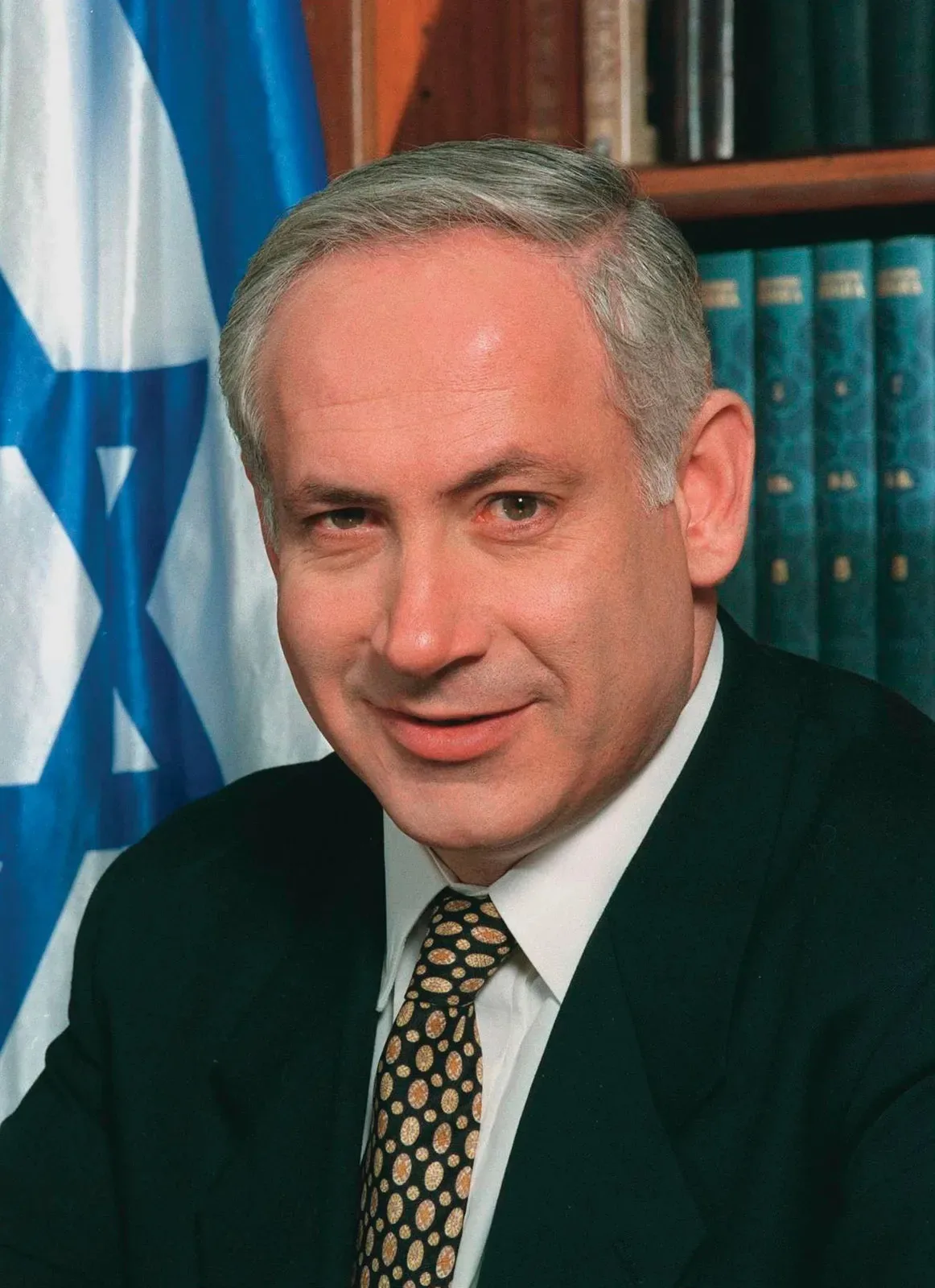
Benjamin Netanyahu looked at the peace deal Donald Trump just signed with Iran, the one that explicitly requires Israel to respect Lebanese sovereignty and end hostilities, and said no thank you. Not only is Israel keeping its troops in southern Lebanon, the IDF published a new map this week showing an expanded zone of occupation that pushes further into Lebanese territory than before. That's not a misread of the room. That's a middle finger pointed directly at Washington.
What the Deal Actually Says
Trump signed a memorandum of understanding with Iran yesterday. The New York Post reports the agreement states that the US and Iran, along with their respective allies, would respect Lebanese territory and sovereignty and end all hostilities in the country. That's clear language. Not a lot of wiggle room in the phrase "end all hostilities."
Iranian officials have already said the quiet part loud: if Israel keeps fighting and occupying Lebanese territory, the deal is dead. So the ink isn't even dry and one of the key allied parties is publicly refusing to comply. Which raises a pretty obvious question about how thoroughly the Trump administration thought through the "and their allies" part before signing.
Netanyahu's Position, in His Own Words
Netanyahu didn't exactly hide his intentions. "We will restore security and prosperity to northern towns," he told reporters Thursday. "That requires maintaining the security zone in southern Lebanon. It requires that we not leave there, as long as Israel's security needs require it."
That last clause is doing enormous work. "As long as Israel's security needs require it" is a condition Netanyahu himself gets to define, indefinitely, on his own terms. It's the diplomatic equivalent of borrowing your neighbor's car and telling them you'll return it whenever you feel like it. The IDF currently has forces deployed more than six miles across the Lebanese border, including sections north of the Litani River, according to the Post.
Hezbollah Isn't Sitting Still Either
It's not as if Israel is occupying a quiet patch of countryside here. Hezbollah has been firing explosive drones into Israeli positions this week, killing and injuring IDF troops, per the New York Post's reporting. The fighting is ongoing and active. So when Netanyahu says security conditions require his troops to stay, he's pointing at a conflict that both sides are actively feeding.
This is the dynamic that makes any peace deal in the region so structurally fragile. The US can shake hands with Iran in a conference room, but it cannot make Hezbollah stop launching drones or make Netanyahu stop expanding his maps. Those are separate variables that don't care much about what gets signed where.
The Friction Between Washington and Jerusalem
Sources close to Netanyahu told Reuters that Israel and the US are currently in what they're calling "stubborn negotiations" over the military action and the expanded occupation. Stubborn negotiations. That's a diplomatic phrase that means two parties who fundamentally disagree are still technically talking, which is better than not talking, but not by much.
This isn't the first time Trump and Netanyahu have been on different sides of a moment that looked, from the outside, like a unified front. Trump needs the Iran deal to be a win. Netanyahu needs to hold southern Lebanon. Those two needs are, right now, directly incompatible, and it's not clear either man is prepared to blink.
What Happens If the Deal Collapses
Iran has laid out the stakes plainly. If the fighting doesn't stop and Israeli forces don't withdraw, Tehran considers the cease-fire violated and the deal void. That's not a threat buried in diplomatic subtext. Iranian officials said it out loud.
A collapsed US-Iran deal would be a significant foreign policy embarrassment for the Trump administration, which has been selling this agreement as a major win. It would also remove one of the few diplomatic structures currently keeping a wider regional conflict from getting considerably worse. The whole thing depends on Israel playing along, and Israel is, at this moment, not playing along.
The Dingo Take
Here is the core absurdity of this situation. Trump signed a peace deal that requires his closest Middle Eastern ally to do something that ally has already publicly refused to do. Not quietly refused. Loudly refused, with maps. Netanyahu held a press conference to announce his noncompliance and then the IDF published expanded occupation boundaries as a visual aid. If you wrote this as fiction, your editor would send it back and ask you to make the defiance slightly less on-the-nose.
There's a version of this where Trump uses real leverage to bring Israel in line, because the United States has leverage, enormous leverage, over Israel in the form of military aid and diplomatic cover at the United Nations. Whether Trump will use any of that leverage is a different question entirely, and the answer probably depends on which advisor he talked to most recently. Netanyahu has been betting for years that American political support for Israel is unconditional and structurally immune to consequences. So far that bet has paid off.
The Iran deal might survive this. Negotiations are ongoing, and stranger things have happened in Middle East diplomacy. But right now, the most powerful country in the world just signed an agreement and one of its key allies responded by publishing a map showing expanded military occupation of the territory the agreement covers. That's the situation. That's where we are. The 'art of the deal' apparently has a chapter on what to do when your ally reads the deal and laughs.


Comments