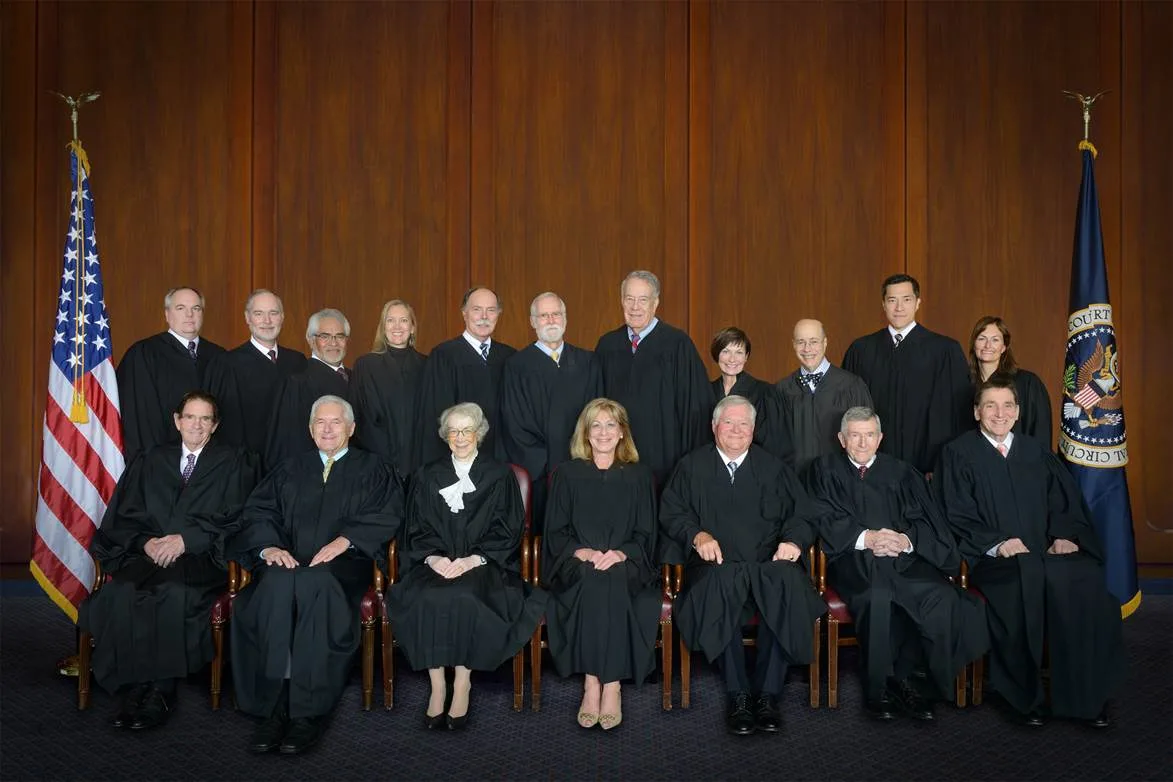
Tens of thousands of people who work for the federal court system cannot sue for harassment or discrimination the way virtually every other American worker can. When something goes wrong, the judges investigate themselves. A group of law students at Emory University decided that was insane enough to take all the way to the Supreme Court.
The System Is the Problem
Here's the setup. The federal judiciary employs roughly 30,000 people: law clerks, probation officers, public defenders, administrative staff. These are not fringe gig workers. They are the backbone of the third branch of American government. And according to NPR, they are not covered by the same landmark civil rights protections that cover almost everyone else in the American workforce.
Title VII of the Civil Rights Act of 1964 prohibits workplace harassment and discrimination. Congress extended those protections to its own employees in 1995. Federal court workers, though, exist in a different category entirely. Each circuit has developed its own internal HR system. Those rules typically leave judges overseeing complaints about people they know personally and work with every day. That's not an independent review process. That's a buddy system with a letterhead.
The Administrative Office of the U.S. Courts has been defending this arrangement as "robust" and says changes are underway. They declined to comment on the specific case the Emory students filed. Of course they did.
Law Students Doing What Congress Won't
Ten students in Emory University's Supreme Court Advocacy Program spent weeks researching this issue and drafted a petition asking the Supreme Court to take up the case. They're doing it without course credit. Without grades. Just because, as NPR reports, their professor Paul Koster said, "they want to do the work."
The students are working to support Caryn Strickland, a former federal public defender who says she faced sexual harassment on the job and found the internal system gave her nowhere meaningful to turn. Strickland told NPR she's proud of the students: "The shortcomings in civil rights protections for the judiciary's 30,000 employees will only be addressed if the legal community is willing to stand up publicly against this serious injustice."
Recent Emory graduate Sofia Bettini, who worked on the petition, told NPR she got into this because it felt personal. Many of her friends plan to clerk someday. "You may not know as a student entering a clerkship that you're going to forgo certain workplace protections that you otherwise would never have to even consider forgoing because they just seem that fundamental," she said. That's the thing about foundational rights: you tend to notice them most when they're gone.
The Due Process Problem, Spelled Out
Third-year student Andrew Taramykin spent hours digging into the legislative history of Title VII for this petition. His reading of Congress's intent, as he explained to NPR, is that lawmakers did mean for federal court employees to receive civil rights protections. They just gave the judiciary a lot of room to implement them on its own. The judiciary took that room and built a system where, essentially, your boss's colleagues decide if your boss harassed you.
Bettini put it plainly: "They have nowhere to turn, no independent enforcer, no neutral decision maker and there exists a very real threat that speaking up will cost them everything." That threat is not abstract. NPR's earlier investigations found that clerks and other court employees who reported abuse frequently found the internal system working against them rather than for them. And since these workers can't take their complaints to an outside agency, the internal system is all there is.
The Emory students' argument is simple and correct: institutional autonomy cannot be a legal shield that strips individual workers of basic civil rights protections. The Supreme Court has asked the Justice Department to respond to the petition, with a response due next month.
Meanwhile, Three More Judges Are in the News for Exactly This
The timing of this petition is, let's say, clarifying. As NPR reports, this month alone, three federal judges in three different states came under scrutiny for conduct off the bench. Three. In one month. In June of 2026.
How often does Congress actually do something about this? Impeachment is the most severe tool available, and it has been used exactly 15 times in American history. Only eight judges have ever been removed from office. Eight. Out of every federal judge who has ever served. The message the judiciary has absorbed from this track record is not exactly "you will be held accountable."
This is not a system that polices itself. This is a system that has spent decades demonstrating it does not need to.
The Dingo Take
Let's be honest about what's happening here. A group of unpaid law students had to petition the Supreme Court because Congress has spent decades allowing the federal judiciary to operate as its own sovereign HR department, answerable to no one outside its own walls. These students aren't collecting a salary for this. They're not getting graded. They looked at a system that fails tens of thousands of workers and decided someone had to say something. The adults in charge of fixing this have had since 1995 to get it right.
The judiciary likes to present itself as the sober, principled branch. The one that holds the line. The one above politics. But a branch that refuses to subject itself to the same civil rights laws it applies to everyone else is not principled. It's protected. There's a difference. And the workers who've had to sit across from a judge-run HR process and try to explain what their supervisor did to them know exactly what that difference feels like.
The Supreme Court asked the Justice Department to weigh in. That's not a yes, and it's not a no. It's the court taking a slow look at whether it wants to reckon with its own house. History suggests that instinct runs toward self-protection. The Emory students have made the strongest case they can. Now we wait to see if the institution is capable of demanding more from itself than it ever has before. Don't hold your breath. But don't look away either.





Comments