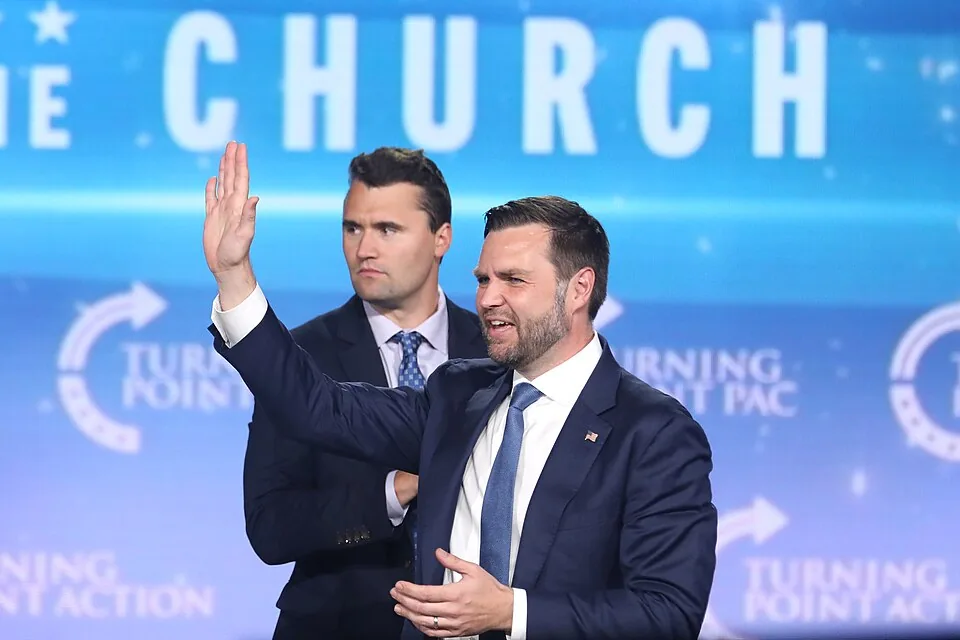
A year after Charlie Kirk was shot dead at a Utah Valley University debate, the courtyard where it happened sits empty and the country he left behind is meaner, more paranoid, and considerably more willing to destroy a stranger's life over a social media post. The assassination didn't just kill a man. According to security experts who track online abuse, it blew the last guardrails off a doxing machine that is now running at industrial scale, neighbor against neighbor, coast to coast.
The Courtyard That Nobody Uses Anymore
NPR reports that the terraced courtyard at Utah Valley University in Orem, Utah used to be the kind of place students ate lunch, did homework, and fell asleep in the grass. Now it sits empty. Collin Grannis, who graduated over the summer, told NPR that people have simply stopped going there because of what they associate it with.
What they associate it with is Charlie Kirk being assassinated in front of thousands of people during a live debate with a student who held progressive political views. Kirk, the co-founder of Turning Point USA and arguably the most powerful force in conservative youth organizing for the better part of a decade, was killed there in late August 2025. The physical space became a ghost, and something similar happened to the broader social fabric around it.
Doxing Goes Retail
Here is what changed, specifically. Doxing, the practice of publishing someone's personal information without their consent to sic a mob on them, has existed for years. It moved through gaming subculture, then extremist circles, then got turbocharged by high-follower social media accounts. The logic was always the same: a big account targets somebody, the mob activates, the target gets flooded with threats and harassment.
The key word there is "big account." You largely needed someone with reach to pull the trigger. Kirk's death, according to Shauna Dillavou, CEO of a doxing prevention company called Brightlines, erased that requirement entirely. "Your neighbor found you or your friends found you," Dillavou told NPR. "A comment in a closed group chat that would get screenshotted and passed up the chain. And that was the big shift: the neighbor-on-neighbor, trusted circle, inner sanctum violence."
The consequences Dillavou describes are not abstract. Job losses. Career losses. People forced to move. Death threats. Lawsuits. And according to her, those impacts are not temporary. They stick.
A Website, a Mob, and a Vice President
Within hours of Kirk's death, a website called "Expose Charlie's Murderers" went live. It billed itself as "the largest firing operation in history" and invited the public to submit leads on anyone posting speech it deemed unsympathetic to Kirk or his killing, framing social media posts as "supporting political violence online." According to Kat Green, founder of the doxing mitigation nonprofit Endora, it was one of several such sites that collectively published names, photos, employers, and social media handles of people who, in many cases, had simply made a comment somewhere online.
Green told NPR that the small professional community of people who help doxing victims was instantly overwhelmed. "Everybody was slammed," she said. "So we all started working together to see what we could learn about the sites and who was behind them."
It is worth pausing on the irony that Kirk's own organization, Turning Point USA, ran a "Professor Watchlist" for years that invited students to report professors for teaching what it called "leftist propaganda." The infrastructure for crowdsourced harassment was not invented after his death. His movement helped build it.
The Part Where the Vice President Gets Involved
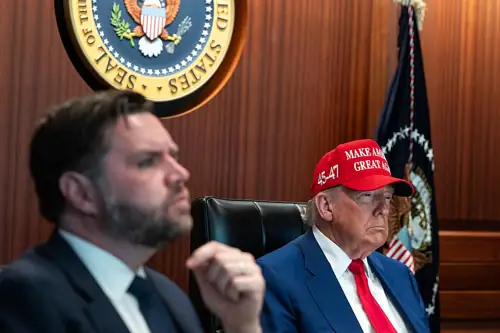
On the Monday after the assassination, Vice President JD Vance sat down in Charlie Kirk's podcast chair at the White House and spoke directly to Kirk's audience. "So when you see someone celebrating Charlie's murder, call them out," Vance said, according to NPR. "And, hell, call their employer. We don't believe in political violence, but we do believe in civility. And there is no civility in the celebration of political assassination."
Let's be precise about what that is. The sitting Vice President of the United States, using the platform and implicit authority of his office, told millions of listeners to go find people who said things they didn't like online and call those people's employers. He dressed it up in the language of civility. He called it a response to violence. But the instruction itself was a call to organize economic and social punishment against private citizens for their speech.
Green and other experts told NPR the speed and power dynamic here was unlike anything they had seen before. The vice president wasn't just a high-follower account. He was the vice president.
One Year Later, the Machine Is Still Running
The anniversary of Kirk's death finds the country in a place that security researchers are still trying to map. The doxing surge that followed the assassination was not a single event with a clean end date. NPR's reporting suggests it established new norms, new tools, and a new baseline for what ordinary people will do to one another over political disagreement.
The Turning Point USA that Kirk built is facing an uncertain future, NPR has separately reported. The organization that was built around one man's particular brand of aggressive, performative confrontation is now operating without him. But the tactics he helped popularize and the ecosystem he helped create are not going anywhere. If anything, they have expanded into territory that Kirk himself never reached.
The Dingo Take
JD Vance told the most powerful right-wing media audience in the country to call people's employers, and he said it from a White House podcast chair, and he called it civility. You are supposed to believe that coordinating mass economic retaliation against private citizens for social media posts is a measured, reasonable response to political violence. It is not. It is the Vice President of the United States running a harassment campaign with extra steps.
The "we don't believe in political violence" framing is doing an enormous amount of work in that sentence. Kirk's own organization spent years running watchlists and targeting professors. The infrastructure for mob intimidation was a TPUSA product long before anyone turned it on conservatives. The difference now is scale, speed, and the fact that the second-highest elected official in the country is pointing the crowd at private citizens and telling them to get to work.
What NPR's reporting actually shows, one year out, is that the assassination didn't create this problem. It removed the last speed bump on a road that was already built. The neighbor-on-neighbor harassment Dillavou describes, the closed group chat screenshots, the employer calls, none of that required a vice presidential endorsement to exist. It just needed an excuse and an audience primed to act. Vance gave them both, wrapped in a bow of performed grief, and called it civility. The courtyard in Orem sits empty. The doxing machine does not.


Comments