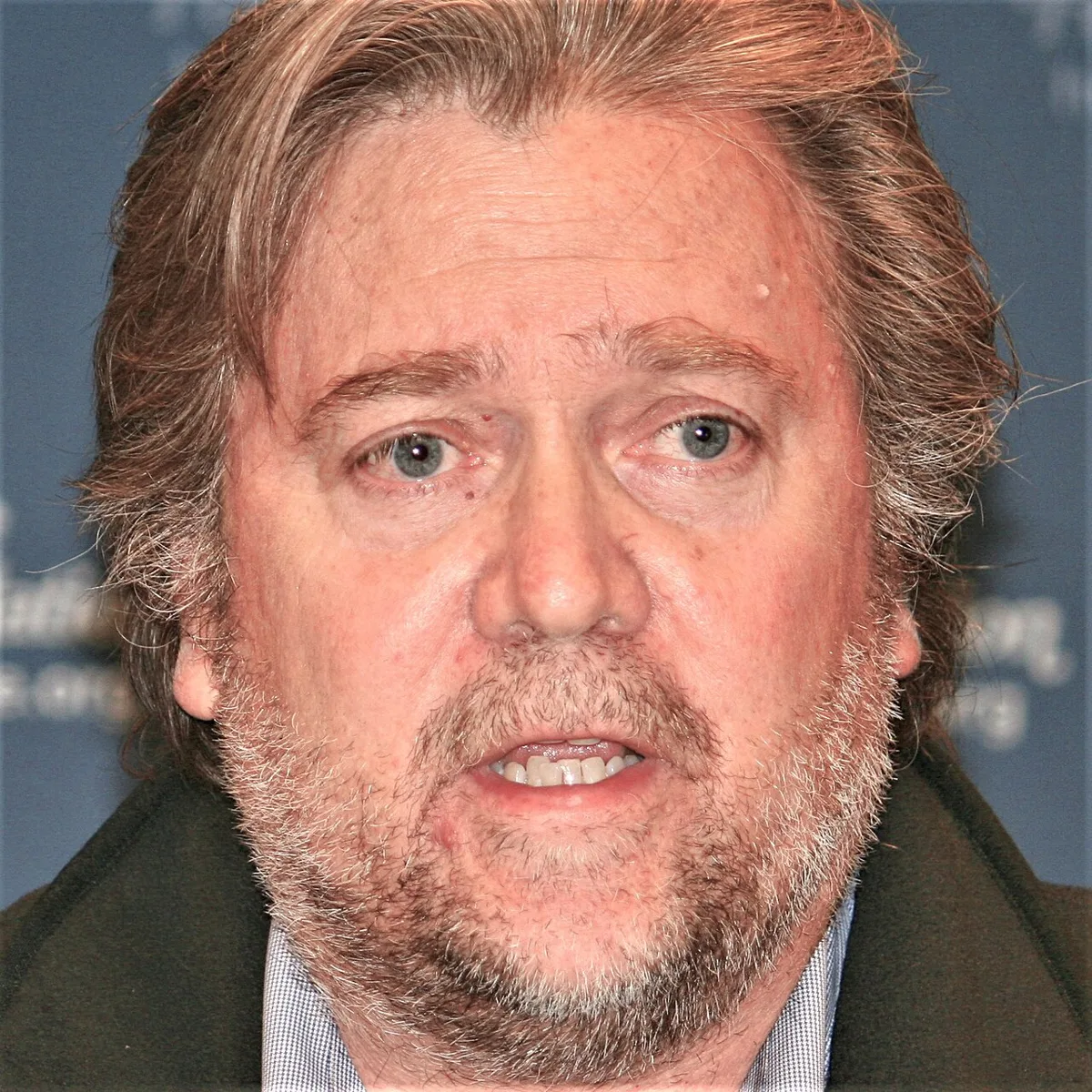
The Department of Justice released over 3 million pages of Epstein documents and called it a day, despite having collected more than 6 million pages during its investigation. Half the material is sitting somewhere, unaccounted for, and the DOJ's explanation is essentially: trust us. When CBS News started asking specific questions about specific redactions, the DOJ quietly un-redacted some of them. Which is not the behavior of an institution with nothing to hide.
Six Million Pages Collected, Three Million Released, Zero Good Explanations
Here is the math. The DOJ collected more than 6 million pages of material during its Epstein investigation. Under the Epstein Files Transparency Act, it released just over 3 million of them. When survivors, advocates, and lawmakers asked what happened to the other half, the DOJ told CBS News it "has released every document required by the Epstein Files Transparency Act" and that the missing documents were either duplicates, unrelated to Epstein, or protected by legal privilege.
Maybe. But Rep. Robert Garcia, the top Democrat on the House Oversight Committee, had a reasonable response to the duplicate argument: fine, then show us the duplicates. "I think what people need to understand is we're not sure what's in the 3 million," he told CBS News. That is a remarkably low bar. Show us the boring copies. Prove they're boring copies. This is not a difficult ask.
The Government Accountability Office has announced it is launching an investigation into how the released documents were redacted, at the request of several members of Congress. So the official watchdog of the federal government is now investigating how the federal government blacked things out in documents it released to prove it had nothing to hide. Everything is fine.
They Redacted a Photo That Was Already on the Internet
The Epstein Files Transparency Act is specific about what can be redacted. Victim protection, yes. "Reputational harm, or political sensitivity," explicitly no. That's written into the law. So it requires some creativity to explain why, in a text message where Epstein sent Steve Bannon a link to an article, the DOJ blacked out Bannon's face in a photo that had already been published online and was freely available to anyone with a search engine.
CBS News asked the DOJ about this. After that inquiry, the photo of Bannon was quietly un-redacted. So was another email. When that second email was un-redacted, it revealed the sender was Peter Mandelson, the former U.K. diplomat who was arrested earlier this year on suspicion of mishandling sensitive government documents, which BBC News reports he denies. Mandelson has said he regrets his friendship with Epstein and never witnessed criminal activity.
Let's be clear about what happened here. A news outlet asked a question. The DOJ fixed the redaction. That is not how a principled, rule-based redaction process works. That is how you act when you got caught.
The Melania Email and the Blank Where a Name Should Be
One of the more widely circulated examples from CBS News's review involves a 2002 email signed off "Love, Melania" with both the sender and recipient fields fully redacted. In April, First Lady Melania Trump acknowledged she had exchanged emails with Ghislaine Maxwell, describing it in a statement as "casual correspondence" and a "trivial note."
Fine. Maybe it is trivial. But the Epstein Files Transparency Act requires the DOJ to provide a written justification for every single redaction, published in the Federal Register and submitted to Congress. Not a general vibe. A specific, written, public justification for each one. According to CBS News, the DOJ has not done this. Instead it issued a blanket statement saying its redactions were "consistent with the Act." That is not a justification. That is a sentence that looks like a justification from a distance if you squint.
Members of Congress have been given access to review the redacted material, but CBS News reports some have complained that the DOJ is monitoring their searches. The people conducting oversight of the DOJ are being watched by the DOJ while they conduct that oversight. Totally normal. Nothing to see here, literally.
Thousands of Early Emails Are Just Gone
The bulk of the emails in the release come from [email protected], an account Epstein created around 2008 when he went to jail. What is missing, CBS News found, are emails from his earlier accounts, including roughly 20,000 messages from [email protected] that were previously obtained by hackers and later archived by the nonprofit Distributed Denial of Secrets. Whether the DOJ ever had those emails is unclear.
There is also a separate account, [email protected], named after Epstein's private island, Little St. James. The DOJ apparently has access to inbox screenshots from that account from the early 2000s, a period when Epstein was in contact with Donald Trump through New York and Palm Beach social circles, and the same period during which Epstein was found to have been recruiting underage girls for sexual massages. Those screengrabs exist in the release. The sender and recipient fields are heavily redacted. Only a handful of emails from that account made it into the release at all.
Trump has repeatedly said he never uses email and has consistently denied any wrongdoing in connection with Epstein. But the point is not what those emails definitely contain. The point is that the DOJ has the inbox, chose to release almost none of it, and redacted the parts it did release. That choice was made by someone, for some reason, and no written justification has been published anywhere.
The FBI Names Are Blacked Out Too
The release does include a substantial volume of internal DOJ and FBI correspondence, which sounds promising right up until you find out that the names of most DOJ and FBI officials involved in those communications have been redacted. CBS News reports this makes it effectively impossible to reconstruct who was responsible for key decisions during the federal investigations into Epstein.
This matters because one of the central unanswered questions about the entire Epstein saga is how a man who ran an international sex trafficking operation involving powerful people managed to get a sweetheart non-prosecution deal in 2008, served an absurdly light sentence in which he was allowed to leave jail for work release six days a week, and then died in federal custody in 2019 in circumstances that remain disputed. The people who made decisions along the way had names. Those names are currently blacked out in the documents that were released specifically to answer these questions.
The Dingo Take
Here is what the DOJ's behavior in this process actually communicates, regardless of what it says out loud. When a news organization asks about a specific redaction and the DOJ quietly fixes it without explanation, that is not compliance with a transparency law. That is damage control. A government agency genuinely committed to the spirit of the Epstein Files Transparency Act does not wait for CBS News to notice that Steve Bannon's publicly available face is blacked out before un-blacking it. It does not release 3 million pages of a 6 million page collection and refuse to show anyone the duplicates it says account for the difference. It does not monitor the searches of the congressional members tasked with reviewing what it redacted.
The DOJ's position is that it followed the law. Maybe technically, in the narrowest possible sense, it did. But the Epstein case has always been a story about powerful institutions doing the technical minimum to avoid accountability while the actual accounting never arrives. Epstein trafficked children for decades while moving through the highest levels of finance, politics, and media in two countries. The only person convicted of anything significant was Ghislaine Maxwell. Epstein himself died in a federal facility before trial. And now the agency overseeing the document release is blacking out names, withholding half the files, and un-redacting photos only when journalists notice.
The survivors of Epstein's crimes were promised transparency. What they got was 3 million pages of a 6 million page story, with the interesting parts missing and no one's name attached to the decision to remove them. If the goal was to put this to rest, someone should have tried harder. Or maybe that was never the goal.

Comments