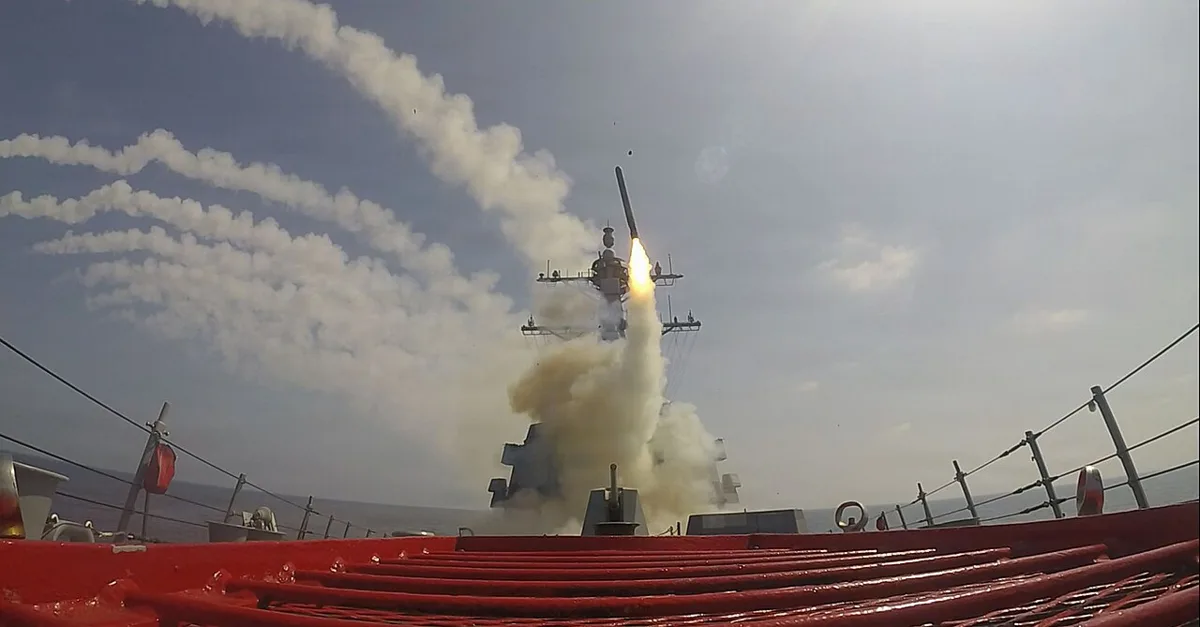
A US missile struck a school in the Iranian town of Minab on the opening day of the war, killing 168 people, including 110 children. That was February 28th. It is now June, a ceasefire deal has just been agreed, and the full accounting of what just happened in the Middle East is only beginning to come into focus. The numbers are staggering, the details are worse, and the United States military is still "investigating" that school strike.
What the Official Numbers Actually Say
More than 7,300 people have been killed in Iran and Lebanon since the war began on February 28th, according to BBC Verify, which compiled official casualty reports from both countries. That figure includes hundreds of children and dozens of healthcare workers. And experts are telling anyone who will listen that 7,300 is almost certainly a floor, not a ceiling.
As of mid-April, Iran's own government reported at least 3,468 of its citizens killed, split between 1,460 civilians and 2,008 military personnel, according to state news agency IRNA. The US-based Human Rights Activists News Agency put their independent count higher, at 3,636, and said that number included 307 children. They described their documented figure as an "absolute minimum."
On the Lebanese side, health authorities confirmed 3,912 people killed in Israeli strikes, among them 247 children and 366 women. Israel also reported 60 of its own people killed, 29 of them civilians, most by Iranian attacks and Hezbollah fighting. Seven UN peacekeepers have also been killed in Lebanon, the most recent on June 4th.
Why the Real Number Is Almost Certainly Higher
Here is the part that should make you put down your coffee. The verified figures are hampered by internet blackouts, government-imposed media restrictions, and the simple logistical nightmare of counting the dead across multiple active war zones simultaneously. Dr. Iain Overton, executive director at Action on Armed Violence, told BBC Verify that casualty figures in this conflict are "often incomplete, delayed or impossible to independently verify."
HRANA's deputy director Skylar Thompson put it more bluntly: "Authorities routinely withhold information about casualties, and families may face pressure not to speak publicly about the circumstances of a death." When governments are suppressing the information, when internet goes dark, when armed groups control territory and journalists can't get in, the numbers you're reading are the ones that made it out. The ones that didn't are, by definition, uncounted.
Dr. Overton said the final death toll "will likely remain contested" for years after the conflict ends. We've seen this movie before. Iraq. Afghanistan. The full accounting always takes longer than the war itself.
The School Strike That the US Military Is Still 'Investigating'
Let's spend a moment on Minab, because it deserves more than a footnote. Multiple investigations, as BBC Verify reports, have confirmed that a US missile struck a school in the town on the first day of the war. Iranian officials say 168 people died, 110 of them children. The US military says it is investigating.
That investigation has been running since February 28th. Four months. The US has the targeting data. It knows what it fired and where. "We're investigating" is doing a lot of heavy lifting here, and it's the kind of answer that would be treated as a scandal of historic proportions if literally any other country delivered it.
Days after the school strike, Iranian authorities reported 20 people killed when a missile hit a sports hall mid-match during a girls' volleyball game in Lamerd. The US denied responsibility. Experts told BBC Verify that a US-made Precision Strike Missile was the likely weapon used. Make of that what you will.
Ten Minutes, 361 Dead, and a Dispute About Who They Were
On April 8th, Israel launched a massive wave of airstrikes that killed at least 361 people in Lebanon in the space of ten minutes. Ten minutes. The IDF said it targeted 250 Hezbollah operatives. Lebanon's health ministry disputed that characterization, saying the vast majority of those killed were civilians, according to BBC Verify.
This is the central argument that has defined the Lebanese campaign. Israel's Prime Minister Benjamin Netanyahu claimed last month that 3,000 Hezbollah fighters had been killed since the war began. Lebanon's health authorities have confirmed 3,912 total dead, and they can't confirm how many, if any, were Hezbollah. The IDF's math implies a clean kill rate that the ground reality does not support.
Iran's side of the ledger includes its own documented atrocities. Human Rights Watch accused Tehran in March of committing war crimes by targeting Israeli civilian centers with cluster munitions. A couple in their seventies was killed in Ramat Gan after bomblets from a cluster bomb hit while they were walking to an air raid shelter. Cluster munitions are "unlawfully indiscriminate in violation of the laws of war," according to HRW researcher Patrick Thompson. Both sides in this war have found ways to make the civilians pay.
Trump Attacks the IDF at the G7, Then Goes Back to Brunch
At the G7 summit in Paris this week, Donald Trump sharply criticized the Israeli military's conduct in Lebanon. "Too many people have been killed," he said, and added: "You don't have to knock down an apartment house every time you're looking for somebody, because there are a lot of people in those apartment houses, and they're not all Hezbollah." Per BBC News, this was Trump publicly attacking the conduct of his closest regional ally mid-summit.
This is the same Donald Trump who green-lit US strikes on Iran in February, who has provided Israel with the military and diplomatic cover it needed to prosecute this campaign, and who is now performing concern about apartment buildings at a summit in Paris. The criticism is not wrong. It's just a little rich coming from the co-author of the conflict.
The Dingo Take
More than 7,300 confirmed dead, with experts saying the real number is higher and may never be fully known. A school full of children hit on day one. A volleyball game interrupted by a missile. A couple killed walking to a shelter. A ten-minute airstrike that killed 361 people whose identities are still disputed. This is the ledger from roughly four months of war, and a deal to end it has only just been agreed. The accounting will take years. The grief is already permanent.
What makes this particular kind of awful is how normal the framing has become. "The US military is investigating." "The IDF says it targeted combatants." "Iran denies responsibility." These sentences appear in news reports like legal boilerplate, like nobody is expected to read them too carefully. Seven UN peacekeepers killed. Hundreds of children. Healthcare workers. And the political leaders most responsible for starting and sustaining this thing are at a summit in Paris complaining about apartment buildings.
A ceasefire deal is in place now, which is genuinely good news. But the deal didn't bring anyone back. The 110 children in Minab are still dead. The couple in Ramat Gan are still dead. The 361 people killed in ten minutes on April 8th are still dead. The war is over. The reckoning for how it was fought has barely started.


Comments