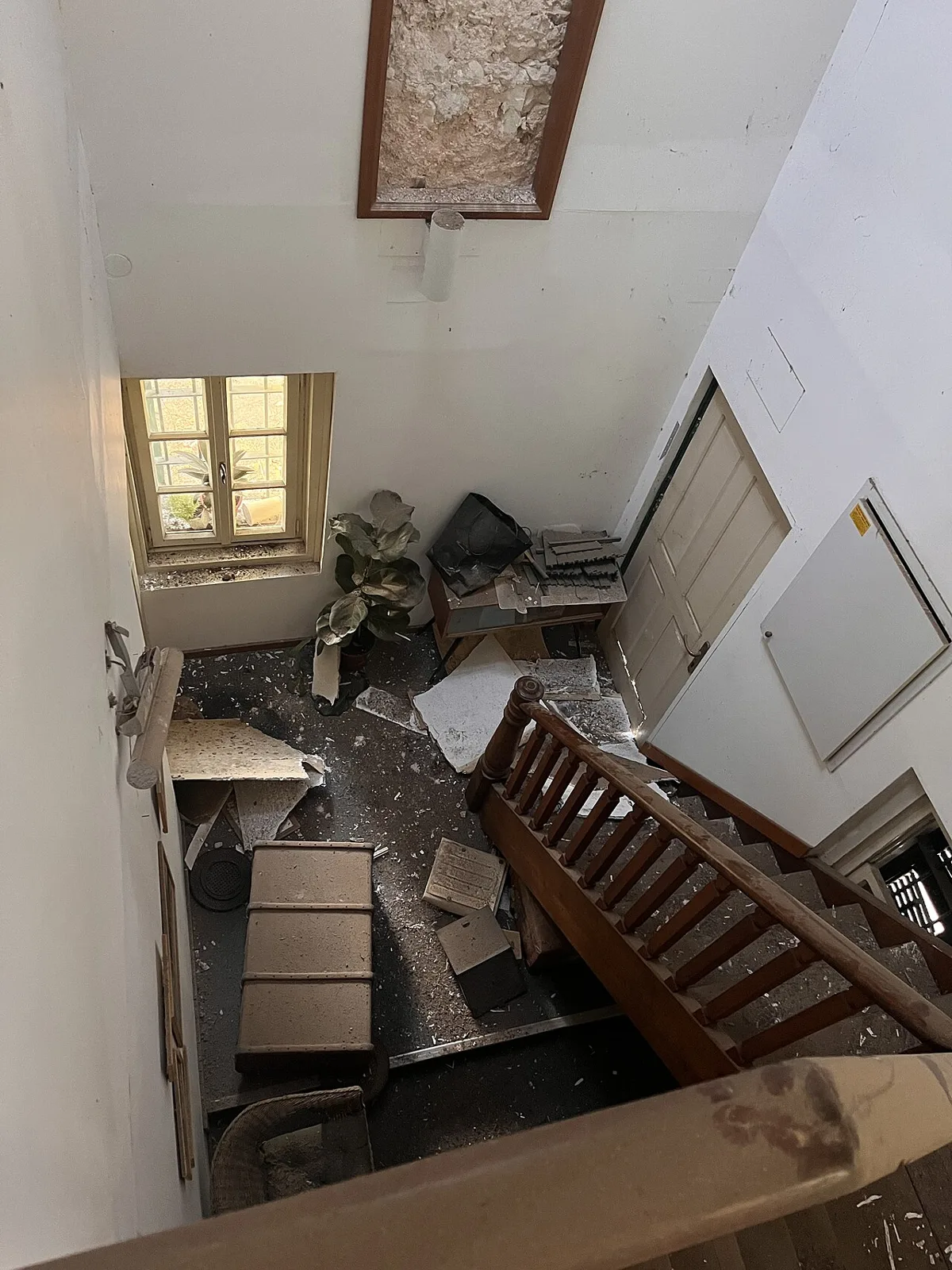
Israel and Hezbollah agreed to a ceasefire in Lebanon on Friday. Then they kept shooting at each other anyway. This is apparently where we are in the summer of 2026.
A Ceasefire, In the Loosest Possible Sense of the Word
Two U.S. officials told Axios that Israel and Hezbollah had reached a renewed ceasefire agreement in Lebanon. Great news. Wonderful. Except that clashes continued even after the ceasefire was supposed to have taken effect, which, if you are keeping score at home, is the opposite of how ceasefires work.
Hezbollah sources told Reuters the group would observe the ceasefire. Israel's military, for its part, declined to confirm it was participating at all. So one side says it's in, the other won't say either way, and both sides are still firing. This is, technically speaking, a diplomatic achievement.
The Domino That Knocked Over the Whole Table
The continued fighting had immediate consequences beyond Lebanon's borders. U.S.-Iran nuclear talks that were scheduled for Friday got postponed because of the ongoing clashes, according to Axios. The talks were meant to happen. They did not happen. U.S. officials are now hoping those talks can still be launched at some point, which is the kind of cautious, hedged optimism you develop after watching this region for about fifteen minutes.
Think about the chain of events here. Two parties agree to stop fighting so that a completely separate diplomatic process can begin. They then continue fighting. The diplomatic process collapses before it starts. Everyone dusts themselves off and says they hope it can happen later. This is the Middle East peace process in 2026, running exactly as designed.
The People Paying the Actual Price
While governments posture and timelines slip, more than one million people have been displaced by the conflict, Axios reports. One million. That is not a talking point or a diplomatic bargaining chip, even though it tends to get treated like one. That is a million human beings who do not currently have a home to go back to.
Israel is also still occupying a portion of Lebanese territory, per the Axios report. That detail tends to get buried several paragraphs down in these dispatches, which is a remarkable thing when you sit with it. A foreign military is occupying another country's land, and it is treated as context rather than the headline.
What Anyone Actually Confirmed
To be precise about what we know: two anonymous U.S. officials confirmed the ceasefire agreement to Axios. Hezbollah sources confirmed to Reuters that their side would hold. Israel's military confirmed nothing. The fighting confirmed it was not stopping.
When the Israeli military declines to confirm participation in a ceasefire it ostensibly agreed to, that is not a communications oversight. That is a choice. Governments do not accidentally fail to confirm things. They decline to confirm them, which is a very different thing, and the distinction matters when you are trying to figure out what is actually happening on the ground versus what is being managed for public consumption.
The Dingo Take
Here is the core absurdity of this story: the ceasefire was not just an end in itself. It was a precondition for getting Iran to the table for nuclear talks. So the decision to keep fighting did not only blow up the ceasefire. It blew up the entire downstream diplomatic architecture that the ceasefire was supposed to enable. One match, entire building.
The U.S. officials quoted by Axios are apparently still hoping the Iran talks can happen. That hope is doing a lot of work right now. The talks were designed around a specific moment of reduced hostilities. That moment did not materialize. The region does not pause and rewind so the diplomats can try again on more favorable terms. The situation keeps moving, the displaced million stays displaced, and the occupied territory stays occupied while everyone recalibrates.
Somebody agreed to this ceasefire. Somebody signed off on it, or nodded at it, or sent enough signals that two U.S. officials felt comfortable telling a reporter it was real. And then it immediately was not real. No one has been asked to explain that gap publicly. No one will be. The story will move on, another framework will be floated, and the million people without homes will wait.


Comments