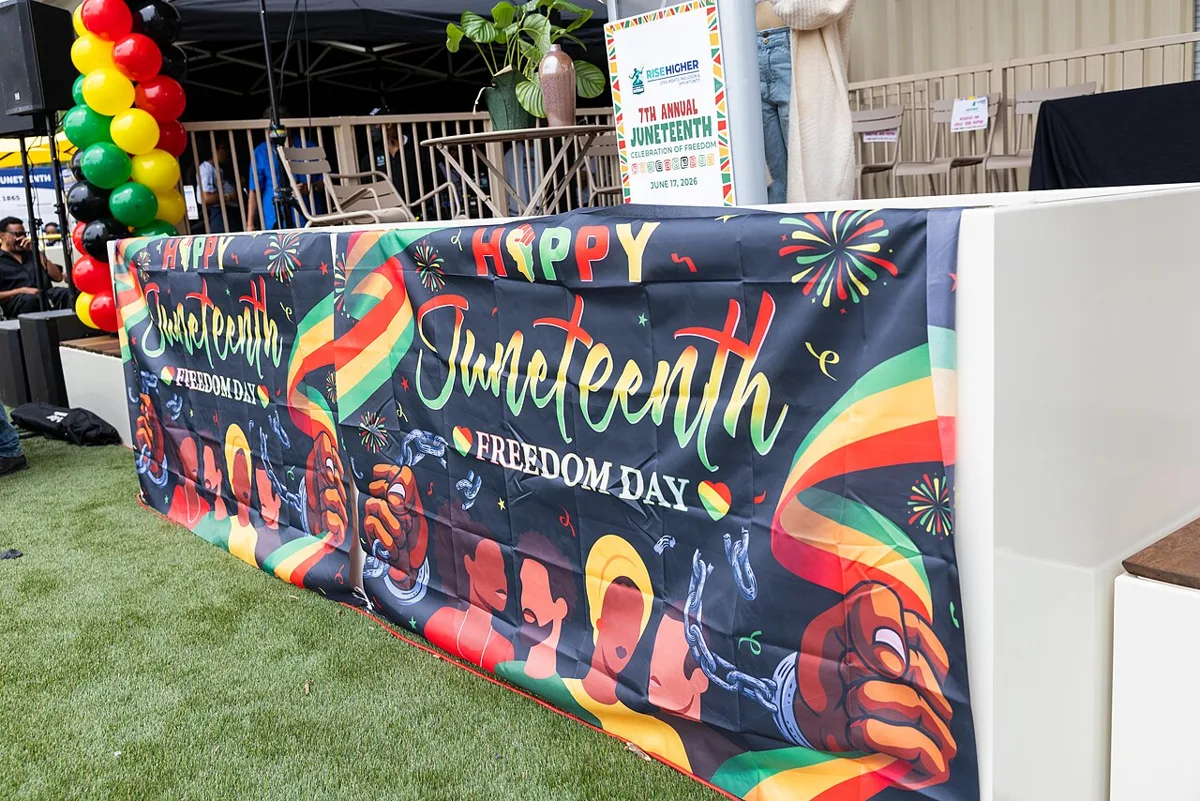
Juneteenth is still here. The cookouts, the federal day off, the flag emoji in the company Slack channel from HR. What's quietly disappearing is every single promise that American institutions made in the summer of 2020 when they were scared and cameras were rolling. The holiday survived. The commitment didn't.
The Holiday That Outlasted the Moment
Here's the thing about Juneteenth: it's actually pretty hard to kill. President Biden signed it into law as a federal holiday in 2021, and as Axios reports, Trump cannot unilaterally cancel it no matter how much his base would enjoy that particular culture war win. It's baked into the federal calendar. Payroll systems have it flagged. Banks close. Government workers get the day off. The bureaucratic machinery absorbed it, and bureaucratic machinery does not reverse easily.
That staying power is real and worth something. The holiday marks June 19, 1865, the day enslaved people in Texas finally learned the Civil War was over and they were free, more than two months after the Confederacy surrendered. It is a genuinely significant date in American history, and it is now a permanent fixture on the national calendar whether Tucker Carlson likes it or not.
Getting Quieter by the Year
But here is what Axios is actually describing, and it deserves to be said plainly: Juneteenth is surviving by shrinking. The reporting describes the holiday as becoming "quieter, more internal and routine." Which sounds almost nice, like a holiday settling into its natural place in American life. What it actually means is that the institutions that threw money, press releases, and glossy landing pages at it in 2020 are now doing the bare minimum required not to generate a news story.
The difference between 2020 and 2026 is the difference between a corporation announcing a $100 million commitment to racial equity and the same corporation quietly renaming that program, redirecting the funds, and hoping nobody goes looking. Many did exactly that. The commitments made when Minneapolis was on fire turned out to have expiration dates that nobody printed on the label.
DEI Is the Dog That Got Kicked First
The broader DEI retreat has been swift and, if you were paying attention, entirely predictable. The Trump administration came in swinging at diversity programs across the federal government, and corporate America, which never needed much encouragement to cut programs that cost money without a direct return on investment, followed along at remarkable speed. What had been branded as essential infrastructure for equity became, almost overnight, a liability to be quietly dissolved.
This is the context Axios is placing Juneteenth in, and it matters. The holiday got elevated in the post-2020 moment alongside a whole ecosystem of commitments: diversity hiring targets, supplier equity programs, internal training, community investment funds. That ecosystem is being dismantled piece by piece. Juneteenth is the part that can't be dismantled because it's federal law. So it remains, increasingly untethered from the movement that gave it its renewed urgency.
What 'Routine' Actually Costs
There is a version of a holiday becoming routine that represents genuine success. Juneteenth becoming as unremarkable as Labor Day or Memorial Day, a day when Americans broadly understand what they're commemorating and take a moment to mean it, would be progress. That is not what this is.
What is happening instead is closer to what happened with Martin Luther King Jr. Day after the first wave of celebration wore off: a holiday that survives on the calendar while the harder work it was meant to represent gets slower, quieter, and eventually stops. You keep the day off. You drop the reckoning. The Axios framing is generous enough to call this "staying power." Another framing is that you can take a symbol, strip the substance from it, and still call it a victory.
Trump Cannot Cancel It, But He Doesn't Have To
Credit where it's due: Trump has made no secret of his hostility toward what he frames as DEI overreach, and his administration has moved aggressively against diversity programs across federal agencies. But Axios confirms he lacks the unilateral authority to erase Juneteenth from the federal holiday list. Doing that would require an act of Congress, and even this Congress has not shown an appetite for that particular fight.
He doesn't need to cancel it though, does he? The goal was never specifically to erase June 19 from the payroll calendar. The goal was to dismantle the broader project of institutional accountability for racial inequity that Juneteenth had become a symbol of. On that front, the administration and its corporate allies have made considerably more progress. The holiday stands. The infrastructure around it is being quietly stripped for parts.
The Dingo Take
Look, the fact that Juneteenth cannot be killed by executive whim is genuinely good news, and we should not blow past it. Biden signing it into federal law was one of those moments where getting something into the legal architecture actually matters, precisely because it becomes resistant to the mood swings of whoever follows. That was smart, and it worked.
But let's not pretend that a holiday increasingly described as "quiet" and "routine" in the context of a DEI rollback is a story about resilience. It's a story about how American institutions specialize in keeping the symbol while quietly abandoning the point. You get the day off. The equity programs get rebranded into oblivion. Everyone nods respectfully at a date on the calendar and then gets back to business as usual, which was the whole problem to begin with.
The real tell will come in the next few years, as the 2020 generation of corporate commitments finishes expiring and the Juneteenth press releases get shorter and shorter until they stop entirely. What remains will be a federal holiday, fully intact, completely hollow, celebrated by a nation that got very good at commemorating a struggle it decided to stop participating in.





Comments