Joe Gillette thought COVID had messed with his eyes. He was right that something was wrong. He was spectacularly wrong about what it was. On his 57th birthday, a hospital portal notification told him he had Stage IV kidney cancer in his brain, lungs, bones, lymph nodes, pancreas, and stomach. The worst birthday present in recorded human history had just arrived.
The Highway That Had Too Many Lanes
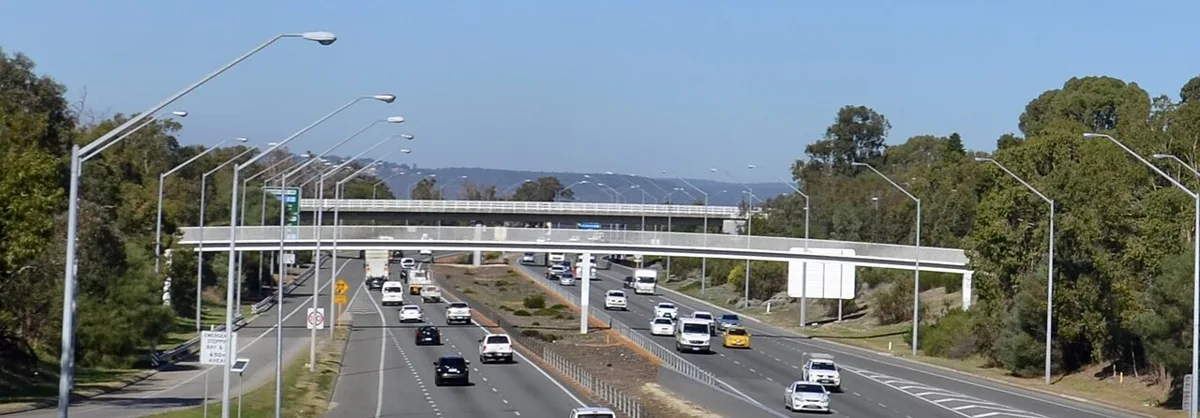
It started with a commute. Same roads, same drive, same routine Joe Gillette had done for years. Then one morning, the three-lane highway in front of him had four lanes. He was seeing double out of his right eye, and he assumed it was COVID playing games with him after a recent infection.
He went to his doctor, who sent him to an eye specialist and suggested a brain scan. The eye specialist found nerve damage explaining the double vision. Case closed, mystery solved. Gillette could have walked away right there.
He didn't. He'd spent a decade volunteering with the American Cancer Society. He understood, maybe more than most people do, that getting the full picture mattered. So he got the brain scan anyway. That decision is the reason he is alive to tell this story.
The Notification He Got on His Birthday
The scan happened on his 57th birthday. Hours later, he was out with his wife when a notification came through on his patient portal. According to CBS News, the message read: "Cancer, tumor in the kidney, lung, brain and stomach."
"It was the worst birthday present ever," Gillette told CBS News. "I was devastated, to say the least."
His doctor confirmed Stage IV kidney cancer. Two tumors in the brain. More tumors in the bones, lymph nodes, lungs, and pancreas. A biopsy showed every single one of them had metastasized from the original kidney tumor. And until that four-lane highway appeared in front of him, he had felt nothing. No pain. No obvious symptoms. Nothing.
A 10-Week Coma and a Very Confused Man
Dr. Martin Voss, his oncologist at Memorial Sloan Kettering Cancer Center in New York City, did not sugarcoat the situation. CBS News reports that fewer than 20% of Stage IV kidney cancer patients survive five years, according to the American Cancer Society. Voss started Gillette on immunotherapy, then radiation, then brain surgery.
The surgery was complicated enough that Gillette was placed in a medically induced coma for ten weeks to recover. When he woke up, he genuinely had no idea what year it was, let alone what month. He tried to get out of bed. A nurse stopped him. He told her he had just been to the men's room that afternoon. She told him he had been in the hospital for two and a half months.
"I was so shocked," Gillette told CBS News. That is, to put it gently, an understatement for the ages.
Two Years of Treatment That Actually Worked
After physical and occupational therapy, Gillette received additional radiation. Then two years of immunotherapy followed, which CBS News reports he tolerated without major side effects. The tumors shrank. In April 2024, surgeons removed the original kidney tumor, and he was discharged three days later, a recovery he himself described as smooth.
Today, Gillette takes a daily oral immunotherapy, sees Dr. Voss every six to eight weeks, and gets regular MRIs and endoscopies. Occasional new growths have appeared, Voss told CBS News, but targeted radiation and continued immunotherapy have kept them in check.
Dr. Alpa Patel, a senior vice president at the American Cancer Society, told CBS News that Gillette's survival hinged on treatments that flat-out did not exist a decade ago. "He has responded to treatments that a decade ago didn't exist," Patel said. The science caught up just in time.
Grandkids, a Wedding, and Staying Focused on the Present
Gillette still gets nervous before scans. He says so himself. That is a completely rational response from a person who found out he had cancer in six organs on his birthday.
But CBS News reports that his focus right now is on what is in front of him: his oldest child just had a baby this spring, another child is getting married soon, and he continues to volunteer with the American Cancer Society, the same organization whose culture of pushing for full workups may have saved his life in the first place.
"I'm grateful every day," he told CBS News, "not for what happened to me, but to have had that support and gotten through it."
The Dingo Take
Here is the maddening thing about this story. Joe Gillette did everything wrong by the logic most people use when they think something minor is wrong with them. He had an explanation for his symptom. The eye specialist gave him a clean answer. He could have gone home, taken it easy, and never thought about it again. Instead, a decade of cancer advocacy work had wired into him the habit of not stopping at the first acceptable answer. That is not luck. That is the direct result of public health education doing exactly what it is supposed to do, and it is worth sitting with that for a moment.
The other thing this story is about, whether it wants to be or not, is the state of cancer treatment in 2025. Dr. Patel said it cleanly: the drugs that are keeping Gillette alive did not exist ten years ago. Stage IV kidney cancer with metastases in the brain, bones, lungs, and pancreas is the kind of diagnosis that, not long ago, was a very short conversation about palliative care. Now it is a guy who woke up from a ten-week coma, had his kidney tumor removed outpatient-style, and is going to his kid's wedding. That is genuinely extraordinary.
So the next time someone argues that medical research funding is a line item worth cutting, or that the NIH budget is fat to be trimmed, or that we should be skeptical of immunotherapy investment because it sounds expensive, point them to a man who drove to work one morning, saw a highway with an extra lane, and is now holding his grandchild. The money bought that. Do not let anyone tell you otherwise.



Comments