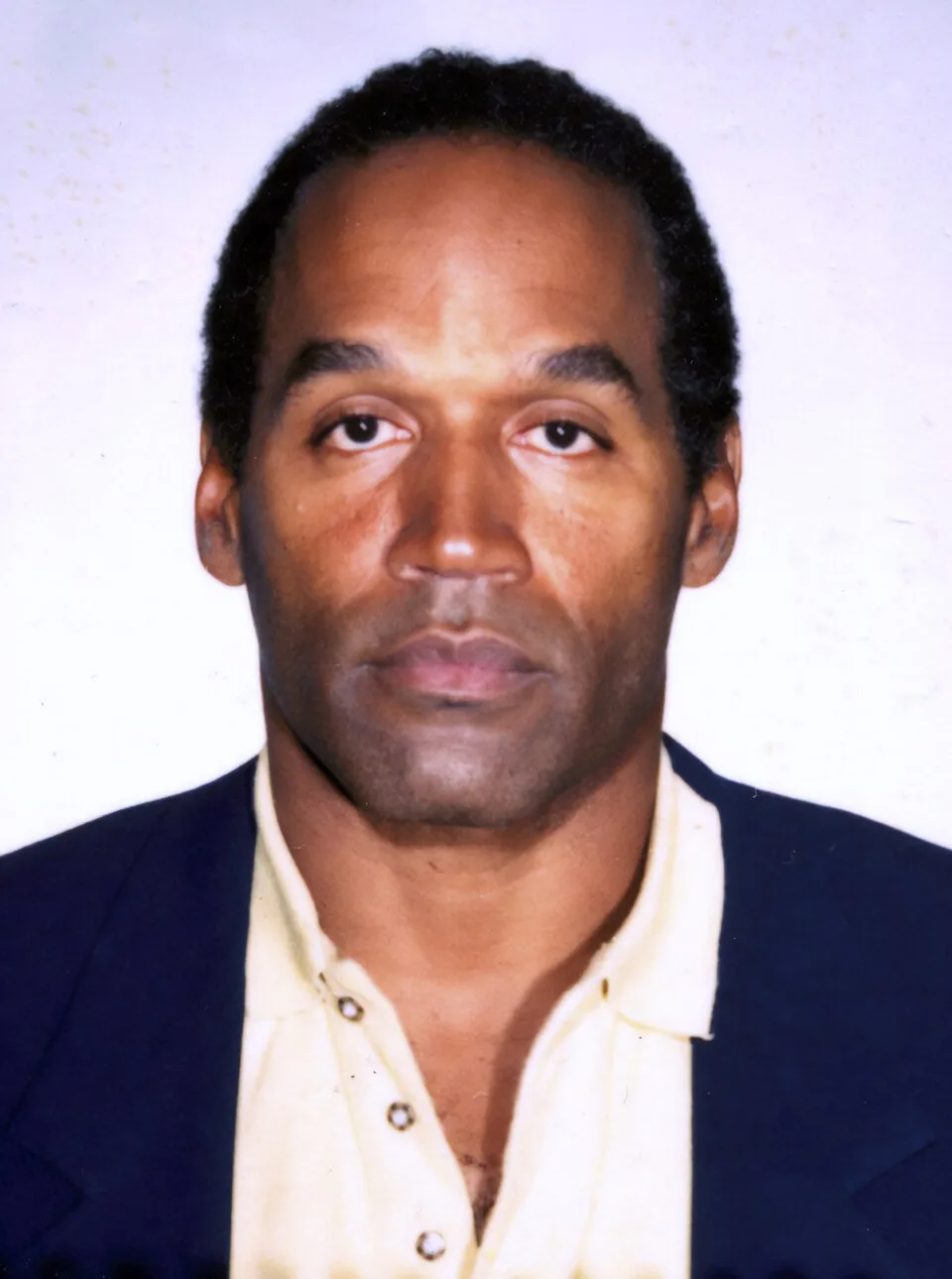
The Buffalo Bills are opening a brand new stadium this fall, and they've made one thing very clear: O.J. Simpson is not invited to the housewarming. The team confirmed Saturday that Simpson, their all-time rushing legend and first-ever Wall of Fame inductee, will not be included in the honoree displays at Highmark Stadium. It only took them about thirty years of moral deliberation to get here, but sure, better late than never.
What the Bills Actually Said
Bills president of business operations Pete Guelli released a statement Saturday making the decision official. "We have made an organizational decision that he is not a fit to display inside our new stadium and family circle," Guelli said. Short, clean, and almost impressively free of any further explanation.
The new stadium's family circle area, located outside the venue, will feature American bison statues and plaques honoring past greats who played in Buffalo. The Bills plan to celebrate their history there. Just, you know, a carefully edited version of it.
According to the New York Post, ESPN had reported earlier this spring that the Bills were actually considering honoring Simpson at the new venue. So yes, there was a real moment where someone inside that organization looked at a blank wall and thought, "You know what would go great here?"
The Career That Made This Complicated in the First Place
Let's be clear about what the Bills are choosing not to honor, because the football resume is genuinely staggering. Simpson spent nine of his eleven NFL seasons in Buffalo, led the league in rushing four times, and in 1973 became the first player in NFL history to rush for over 2,000 yards in a single season. He was the Bills' first-ever Wall of Fame inductee. He is in the Pro Football Hall of Fame.
In purely athletic terms, he is one of the greatest players in franchise history. That is not in dispute. That is also, at this point, almost beside the point.
Simpson carried that legacy right alongside the murder trial that the New York Post accurately describes as the "trial of the century." In 1994, he was accused of killing his ex-wife Nicole Brown Simpson and her friend Ronald Goldman. A jury acquitted him of criminal charges in 1995. A civil jury in 1997 found him liable for their deaths anyway and ordered him to pay $33.5 million to the victims' families.
The Rest of the Resume Nobody Wanted to Frame
After the civil verdict, Simpson spent years publicly maintaining his innocence while managing to stay remarkably busy making enemies. In 2007, he led a group of men into a Las Vegas hotel room to confront memorabilia dealers at gunpoint and walked out of it with felony robbery and kidnapping convictions.
He served nine years in Nevada state prison for that one and was released in November 2017. He died in April 2024 from prostate cancer at 76, still insisting he had nothing to do with the Brown and Goldman murders.
So to recap the timeline the Bills had to weigh: Hall of Fame running back, murder acquittal, civil liability finding, $33.5 million judgment he largely never paid, armed robbery conviction, nine years in prison, death. And their old stadium in Orchard Park kept his name on the Wall of Fame through all of it. Every single bit of it.
A Decision Two Decades in the Making
The Bills had a very convenient out here and they used it: a new stadium. Nobody had to take his name off anything. Nobody had to hold a press conference to announce a removal. They just quietly decided the new building would start fresh, and Simpson's legacy simply would not make the cut for the fresh start.
It is a masterclass in institutional fence-sitting finally reaching its natural conclusion by accident. The New York Post reports that Simpson held his spot at the old Highmark Stadium location throughout his criminal trials, civil judgment, robbery conviction, and imprisonment. The organization never pulled the plaque. The new stadium just gave them a reason to not put a new one up.
Buffalo opens at the new Highmark Stadium on September 17 against the Detroit Lions. The bison statues will be there. The Wall of Fame honorees will be there. O.J. Simpson will not be there. The Bills would probably appreciate it if you didn't ask any more questions about it.
The Dingo Take
Here is what is quietly wild about this story. The Buffalo Bills did not make this call after the murder trial in 1995. They did not make it after the civil verdict in 1997. They did not make it after the Las Vegas hotel room robbery in 2007. They did not make it after Simpson went to prison that same year. They did not make it when he got out in 2017. They made it because they built a new stadium and someone finally had to fill out the paperwork for the commemorative plaques, and apparently that's the administrative threshold that triggers a moral reckoning in professional sports.
Simpson is dead. He cannot be embarrassed by this. His family cannot be surprised by it. The victims' families, who watched the NFL keep his legacy polished for thirty years while their $33.5 million judgment went largely unpaid, are probably past the point of finding any of this satisfying. The decision lands less like a principled stand and more like a very long overdue bill that finally arrived after the debtor was already buried.
Still. They made the call. It is the right call. And if it took a ribbon-cutting ceremony and some decorative bison statues to get a sports franchise to finally put its foot down, well, that's the NFL for you. The league that gave us the personal conduct policy and then spent twenty years proving it was optional. The Bills made the right move. They just took the scenic route to get there.


Comments