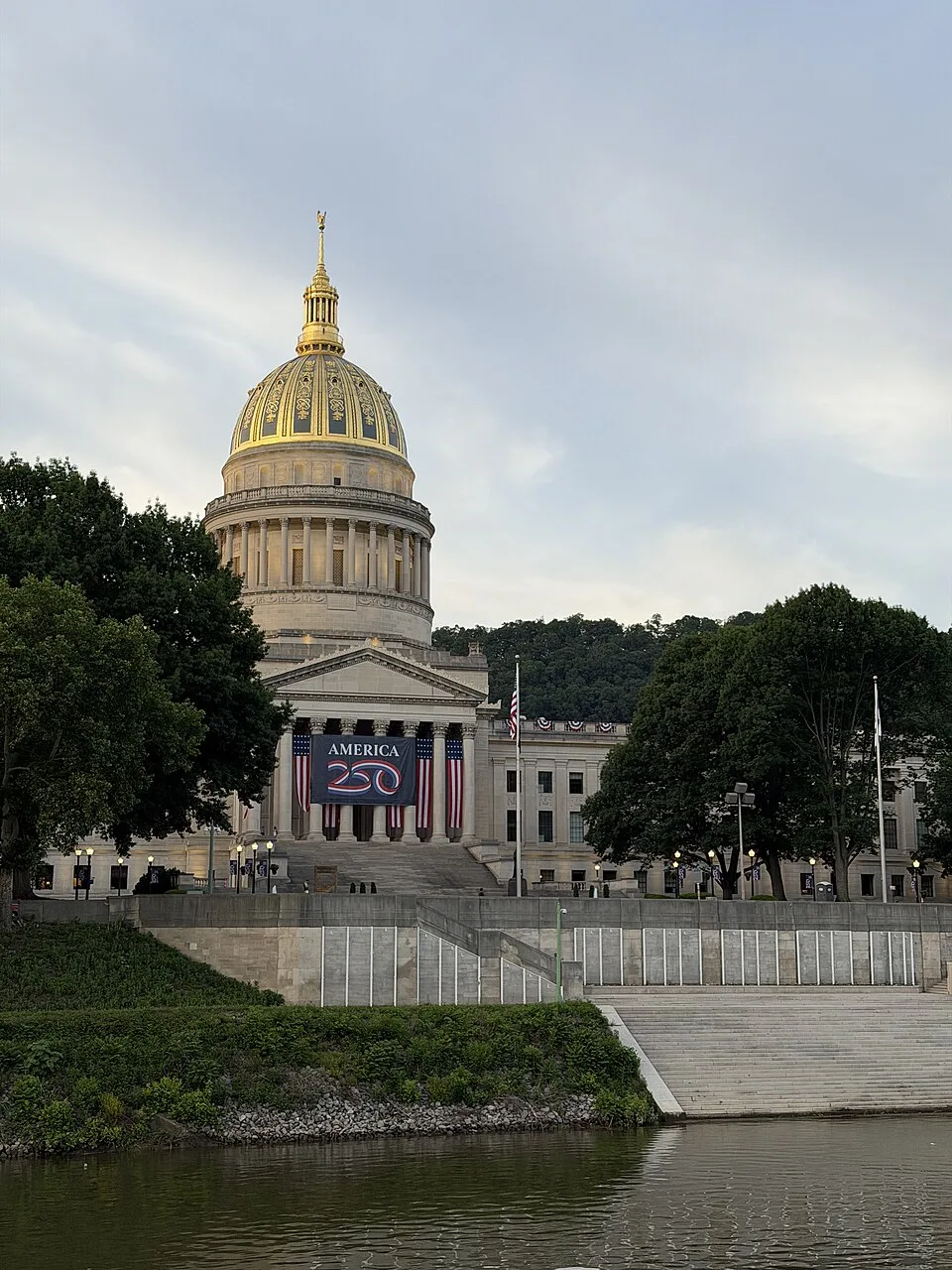
America is throwing itself the biggest birthday bash in its history, and if you live in a small town, you might be watching it on someone else's television. As the country gears up to celebrate 250 years of existence, the fireworks industry is so overwhelmed with demand that smaller municipalities are getting squeezed out entirely. Hinesburg, Vermont budgeted $13,500 for its celebration and still couldn't pull it off.
The 250th Is Eating Everyone's Lunch
Here's the thing about milestone anniversaries: everyone wants in at the same time. According to Axios, cities across the country are competing for bigger, brighter displays to mark the semiquincentennial, and the cascading effect is that the people and equipment needed to actually blow things up in the sky are stretched past their limit.
This isn't just about money, though money is absolutely a huge part of it. There literally aren't enough pyrotechnics crews to go around. You can have the budget and still get told no. Which means small towns aren't just losing a bidding war. They're losing access to the party entirely.
Hinesburg, Vermont: A Case Study in Getting Left Out
Hinesburg, Vermont thought it had done everything right. Officials set aside $13,500 for a fireworks show, which is a real commitment for a small municipality. It didn't matter. Axios reports the town canceled its show anyway, a victim of the same capacity crunch hitting communities across the country.
Thirteen thousand five hundred dollars. Gone. No boom, no burst, no crowd going "ooh" in a parking lot. Just a town that tried to celebrate the country's birthday and got told the country was too busy celebrating itself to fit them in.
That is, if you're looking for a metaphor for how America treats its smaller communities, pretty much perfect.
The Workarounds Are Getting Creative (and Desperate)
Some towns aren't going quietly. Axios found that certain municipalities are crowdsourcing donations to try to close the funding gap, which is an admirably scrappy solution and also slightly depressing if you think about it too hard. A town passing a digital hat around the internet so it can afford to briefly light up the sky on the nation's birthday.
Others are moving their celebrations to dates further from the actual holiday, spreading the demand out and hoping to find an opening in the schedule. It works, technically. It also means celebrating the Fourth of July on, say, the twelfth of July, which loses something in translation.
This Is What Happens When Demand Spikes and Supply Doesn't
The fireworks industry doesn't scale overnight. Training crews, sourcing product, managing the logistics of large public displays. It takes years to build that capacity, and nobody built extra capacity for a once-in-250-years party. So when every city in America simultaneously decides it wants its most spectacular show ever, the system buckles.
Larger cities with bigger budgets and longer-standing vendor relationships get their shows. Smaller towns get a shrug and a waitlist. This is not a new dynamic in America. It's just newly visible because the birthday is big enough that everyone is paying attention.
The Dingo Take
Let's be honest about what's actually happening here. The country is spending this entire anniversary year congratulating itself on 250 years of democracy, freedom, and opportunity, while towns that scraped together $13,500 out of their municipal budgets sit dark on the Fourth of July because the market priced them out. The symbolism is not subtle.
There is something genuinely funny, in a bleak way, about a nation that can't organize a birthday party without leaving half its towns behind. America didn't fail to plan. The plan just only works if you're big enough and rich enough to compete. Sound familiar? It should.
So pour one out for Hinesburg, Vermont, and every other small town that tried to celebrate the republic and got bounced from the guest list. The fireworks will be incredible in the cities that can afford them. For everyone else, there's always the neighbor's backyard and some illegal bottle rockets. Which, honestly, is a more authentically American experience anyway.




Comments