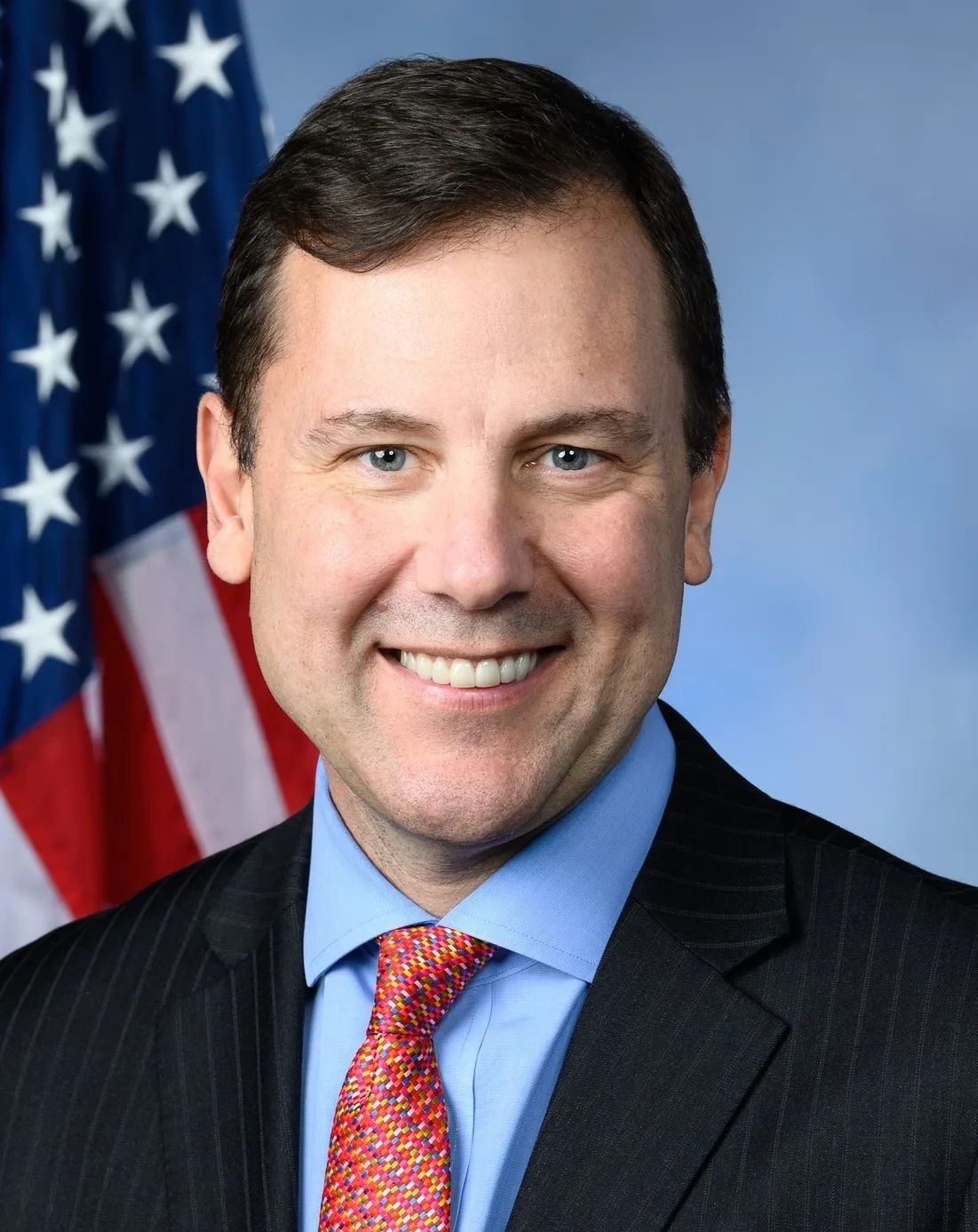
For 142 days, a sitting member of Congress simply disappeared. No explanation. No timeline. Not even his own aides knew what was going on. On Tuesday, Rep. Tom Kean Jr. of New Jersey finally walked back onto the House floor and told everyone he'd been hospitalized for depression since early March.
142 Days, 140 Votes Missed, Zero Explanation Until Now
Let's be clear about the scale of this. According to GovTrack, Kean's absence rate hit a perfect 100 percent during his time away. He missed 140 roll call votes. The House moved on budgets, procedural fights, and must-pass legislation while his seat sat empty and his office kept posting cheerful updates on social media as if everything was completely fine.
His aides told US media they personally did not know what was wrong with him. Republican leadership said they were in the dark. When reporters asked House Speaker Mike Johnson what was going on with Kean, Johnson said he didn't know. A sitting congressman was gone for nearly five months and the people running his office and his party had no idea why.
What He Actually Said When He Came Back
Kean, 57, addressed the House floor on Tuesday and gave what Fox News describes as an emotional speech. He said he went in for routine testing a few months ago, did not expect a long stay, and then received a depression diagnosis that his doctors told him required remaining hospitalized to recover properly.
"When I said I hoped to return in a matter of weeks, I believed it," Kean said, per Fox News. "Those were the best estimates that the doctors could provide. But as the over 48 million of my fellow Americans being treated for this illness have come to discover, there is no timeline for healing."
He also pushed back on the idea that depression is just sadness. "When people hear the word depression, many people think it simply means feeling sad," he said, according to BBC News. "But depression is so much more than that." He closed by saying he stands before his colleagues "stronger, healthier and excited to return to the work that I love."
The Stonewalling That Came Before
Before Tuesday, Kean's public position on his absence was essentially: mind your business. His office described it as a "personal medical issue" on social media. His aides said he was "under a doctor's care." When his own Republican colleagues started publicly calling for transparency, his office just kept pushing back the projected return date.
He ran unopposed in his May primary anyway. In an earlier statement to The New Jersey Globe, Kean said his condition had no impact on his cognitive ability and would not affect his decision to seek a third term. That was the most substantive thing he'd said publicly for four months. It told voters almost nothing.
Mike Johnson, to his credit, said Tuesday he had encouraged Kean to be transparent about his condition during the absence. Johnson also predicted Kean would receive a lot of empathy now that the reason is out. "It's not an uncommon kind of condition and ailment," Johnson told reporters.
The Seat He's Fighting to Keep
The timing of this revelation is not incidental. Kean is staring down what Cook Political Report rates as a toss-up re-election race in one of the most competitive swing districts in the country. His Democratic challenger is Rebecca Bennett, a former Navy helicopter pilot running with full establishment support, per Fox News. Bennett is expected to hammer national security credentials, the same playbook that got Democrat Mikie Sherrill to the New Jersey governorship.
Republican leadership has been quietly panicking about this seat for weeks. A loss here would shift the balance of power in the House and hand Democrats a direct rebuke of Trump, who has endorsed Kean. The last thing the GOP needed was their incumbent spending the entire spring and early summer as a political ghost story. Kean's return this week is also mechanically useful: Fox News reports that Speaker Johnson needs every body he can get to push a must-pass defense bill through the chamber.
What This Means for Mental Health Disclosure in Politics
There is a legitimate and serious question underneath all the political mess here: what do voters actually have the right to know about a lawmaker's health, and when? Kean made a choice to keep his diagnosis private while he recovered, and you can argue that was entirely his right as a human being dealing with a serious illness.
You can also argue that a sitting congressman who misses 140 votes over 142 days while representing hundreds of thousands of constituents has some obligation to say something more substantive than "personal medical issue." Those are not mutually exclusive positions. The stigma around depression is real and brutal, and Kean said as much on the floor Tuesday. The question of whether his constituents deserved more information sooner than this is also real, and pretending otherwise would be its own kind of dishonesty.
The Dingo Take
Here is the thing that cuts through all the political noise: depression is a serious, life-altering illness that hospitalizes people for months, and Tom Kean Jr. is a human being who went through something genuinely hard. That part deserves actual empathy, not just the performative kind Mike Johnson was dispensing on Tuesday for the cameras.
But look. This is also a story about a man who holds public office, draws a public salary, votes on laws that affect millions of people, and spent 142 days telling those people essentially nothing while his party kept him on the ballot and his office kept churning out social media posts. The empathy and the accountability can coexist. That is the whole point of democratic accountability. It does not go on pause because the news is uncomfortable.
What we are left with, heading into a toss-up midterm race in a district that could tip the House majority, is a congressman who just returned from a four-month medical absence, a Democratic challenger who spent that entire time running a visible, active campaign, and a Republican Party that needs this seat badly enough to quietly sweat through every week Kean was gone. Whether voters decide that his recovery is a story of resilience or a reason for concern is entirely up to them. But they deserved to make that call with real information, not a vague social media post and a prayer.





Comments