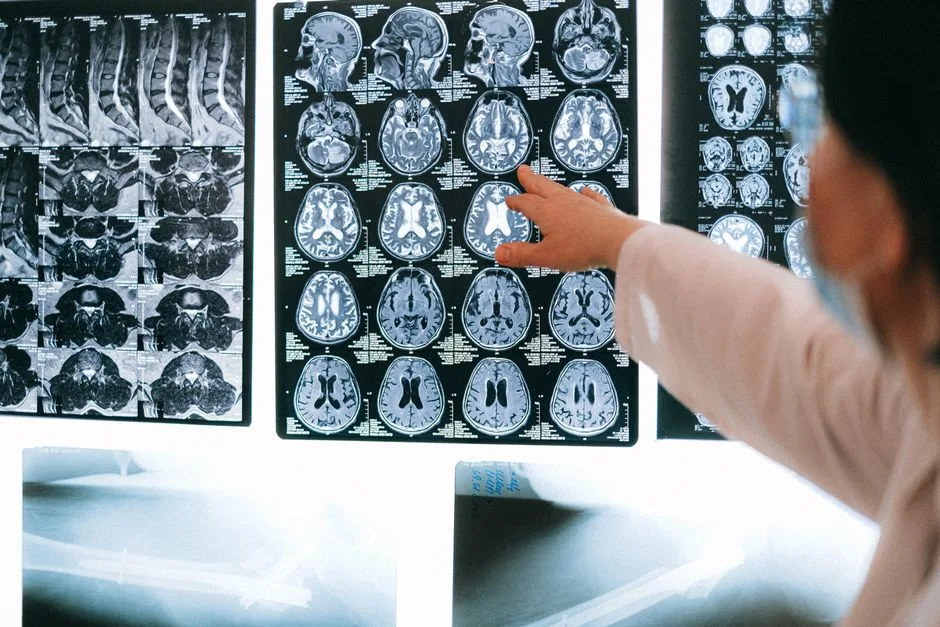
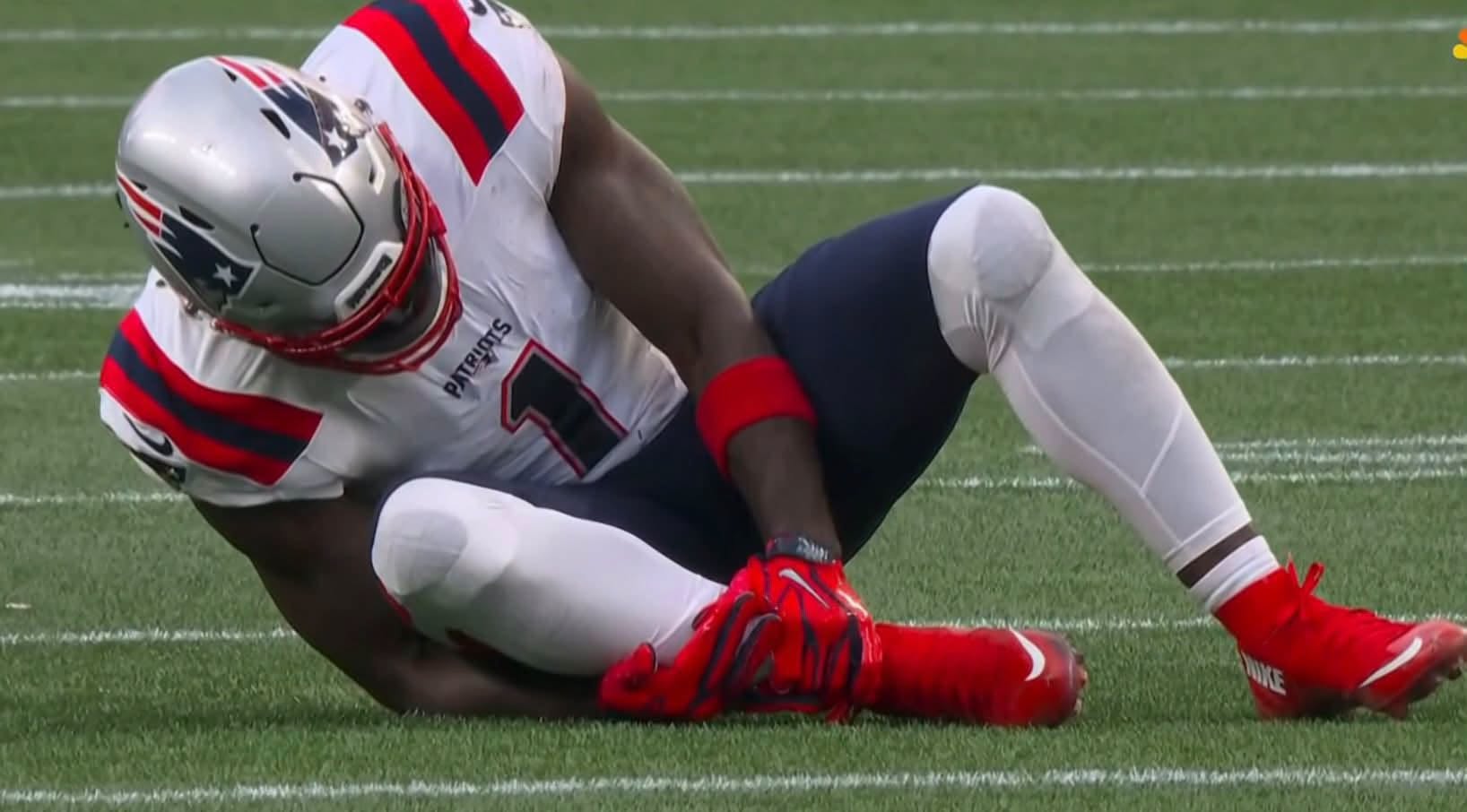
A Dallas Cowboys defensive lineman who died by suicide last November was 24 years old and already had a degenerative brain disease caused by repeated head trauma. Researchers at Boston University's CTE Center confirmed this week that Marshawn Kneeland had stage 1 chronic traumatic encephalopathy. He had been playing tackle football since he was seven years old.
Half of Young Athletes They Study Have It
The diagnosis came through a postmortem brain tissue analysis, because CTE cannot be detected in a living person. That alone should stop you cold. We have no way to tell a 22-year-old linebacker whether his brain is already breaking down. We find out after the funeral.
Dr. Ann McKee, director of the Boston University CTE Center, was blunt about what her team found. "Unfortunately, I was not surprised to find CTE in the brain of Mr. Kneeland," she told BBC News, "because we have found this progressive brain disease in nearly half of the athletes we've studied who have died before the age of 30." Nearly half. Let that sit for a second.
Stage 1 is the mildest of CTE's four stages. Headaches. Difficulty concentrating. Sounds almost manageable until you understand that there is no treatment, no cure, and no stopping it once it starts. The disease progresses. That's what "progressive" means.
Who Marshawn Kneeland Was
Kneeland was drafted by the Cowboys in the second round in 2024. He played 18 games for the team, including four starts. A young guy on his way up, by every external measure.
According to BBC News, Kneeland died in November 2025 following a car chase with Texas State Troopers who said they tried to pull him over for a traffic violation. He crashed his car, fled on foot, and was later found dead from a self-inflicted gunshot wound in the early morning hours.
His family released a statement this week saying the diagnosis provided "important context" about the struggles he was facing. "We share this information to help people understand what NFL and other high-contact sport athletes might be struggling with," they said. "We continue to remember Marshawn with compassion for the person he was, rather than defining him by the final moments of his life." That is a family trying to give meaning to something that has none. The least we can do is pay attention.
The Helmets Aren't Saving Anyone
Here is the part that should make the NFL very uncomfortable. Kneeland played in what the league likes to call the modern era of player safety. Better helmets. Concussion protocols. Sideline spotters. The whole marketing package designed to reassure parents that the game has changed.
Dr. Chris Nowinski, co-founder and CEO of the Concussion and CTE Foundation, told BBC News exactly what that's worth. "Mr. Kneeland played in the modern era of concussion protocols and better helmets, and yet he still developed CTE," he said. "We have no reason to believe the current generation is at a lower risk of CTE than previous generations." No reason to believe. That's the scientific version of saying the reforms aren't working.
The problem was never just the big hits. It's the thousands of smaller collisions that happen on every single play, in every single practice, from the time a kid straps on a helmet at age seven. Kneeland started playing tackle football at seven. He was dead at twenty-four.
A Disease That Only Shows Up at the Autopsy
CTE is caused by repeated blows to the head and can result in depression, impulse control problems, and dementia. According to BBC News, it has been found in the brains of dozens of former NFL players. The research community has known about this for years. The NFL spent a long time pretending otherwise.
Boston University's CTE Center was careful to note that a postmortem CTE diagnosis is not known to be a direct risk factor for suicide, and that the causes of suicide are complex. That is responsible and important to say. It doesn't make what happened to Kneeland any less devastating, and it doesn't let the sport off the hook for what it does to the people who play it.
The family's decision to go public with the diagnosis is an act of real courage. They didn't have to do this. They chose to because they want other athletes, and the families of other athletes, to understand what might be happening inside the people they love.
The Dingo Take
The NFL is a $20 billion industry built on the labor of men whose brains are being destroyed in real time, and we will not know the full extent of the damage until they are dead. That is not a conspiracy theory. That is the current state of the science, stated plainly by the researchers at Boston University who are doing the actual work. Marshawn Kneeland was 24 years old. He started playing the sport that killed him when he was in second grade.
The league will point to its safety protocols. It will talk about its investment in helmet technology and concussion research. It will express condolences. And then the season will start and sixty thousand people will cheer in every stadium and the checks will clear and nothing will change, because nothing ever does when the money is this good and the players are this replaceable.
If you or someone you know is struggling with thoughts of suicide, please contact the 988 Suicide and Crisis Lifeline by calling or texting 988. The people in your life are not replaceable. Not to the people who love them.


Comments