
Michigan is currently hosting almost 700 cases of a parasitic illness whose signature symptom is, and we are quoting the CDC directly here, "watery diarrhea with frequent and sometimes explosive bowel movements." That number is up from 170 just six days earlier, and it is nearly 14 times the state's average annual caseload. The CDC has called the clusters "alarming," which is not a word the CDC uses for fun.
What Is Cyclosporiasis and Why Is It Spreading So Fast
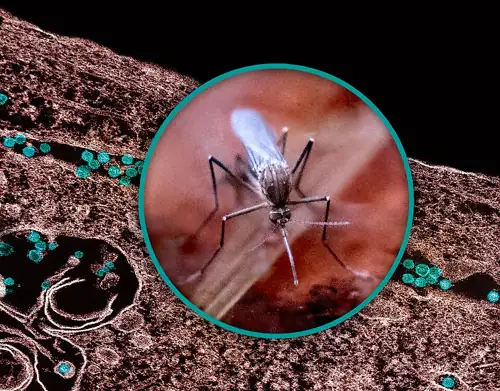
Cyclosporiasis is caused by a parasite called cyclospora, which spreads through raw produce and water contaminated with human feces. That's the sentence you didn't want to read, but here we are. Previous outbreaks have been tied to fresh fruit and vegetables, including a 2022 Florida surge linked to contaminated lettuce in packaged salad kits that sickened hundreds of people, according to The Guardian.
The illness is not usually fatal, and no deaths have been reported in the current outbreak. But "not fatal" is doing a lot of heavy lifting when the symptom list also includes cramps, nausea, vomiting, fatigue, loss of appetite, low-grade fever, and again, explosive diarrhea. The average time from eating contaminated food to getting sick is about one week, though it can range from two days to two weeks. It does not typically spread person to person, which is the one piece of genuinely good news here.
The Numbers Are Getting Worse, Not Better
On Friday, the CDC reported more than 400 cases across 18 states and said it was working with the FDA to investigate. By Monday, Michigan alone had blown past that number, with 678 confirmed cases in the state, per ABC News. Ohio reported 177 cases as of July 2nd, with 171 of those appearing after June 20th. This thing is moving fast.
Michigan's chief medical executive, Dr. Natasha Bagdasarian, told ABC that the case count is "a moving target," and that there is a significant lag between exposure to contaminated produce and the development of symptoms. Translation: the people who are going to get sick from whatever triggered this outbreak may not know it yet. Cases in Michigan have clustered most visibly in the southeast, including the Detroit area, though officials say there is currently no confirmed link between Michigan's outbreak and the cases in other states.
The CDC Says the Real Number Is Probably Higher
Here is the part that should make you put down your salad. The CDC acknowledged in a bulletin that "the true number of people sick with cyclosporiasis was likely higher than the number reported," because many victims recover without ever seeking medical care or getting tested. So the 700-case figure in Michigan is almost certainly an undercount. By how much? Nobody knows.
The CDC also notes that summer is cyclosporiasis season, running from May through August, which means this outbreak landed at the worst possible time of year for containment. Cases traditionally rise in summer months, but this spike is abnormal even by summer standards. Michigan's typical annual caseload is around 50 cases. They have had 678 in roughly the past few weeks.
What You Can Actually Do About It
Health officials recommend cooking fresh produce where possible or thoroughly washing it under clean, running water. That's the full list of prevention advice. Wash your vegetables. Cook them if you can. It is spectacularly basic guidance for a situation where the CDC is using the word "alarming" in official communications.
The FDA is involved in the investigation alongside the CDC, and the two agencies are working to trace the contaminated food source. Until they identify it, there is no specific product to avoid or recall to watch for. The Guardian reports that investigators are working to establish links between the clusters, but as of now, no single source has been confirmed publicly.
The Dingo Take
Let's just sit with the timeline here for a second. This is a parasitic illness caused by fecal contamination of raw produce. It has infected nearly 700 people in one state in under a week, at a rate 14 times higher than normal. The CDC and FDA are both investigating. And the official public health advice is: wash your lettuce. That's it. Wash your lettuce and hope for the best.
This is also happening inside an administration that has spent the past year hollowing out the very agencies now scrambling to respond. The CDC's capacity to investigate foodborne illness outbreaks, the FDA's food safety infrastructure, the public health workforce that tracks this stuff at the state level, all of it has been cut, frozen, or restructured in ways that make exactly this kind of rapid outbreak response harder and slower. We are not saying those cuts caused this outbreak. We are saying that the fire department's budget matters a lot more when something is on fire.
The parasite will probably get identified, the outbreak will probably get contained, and most of the people who got sick will recover. That's the likely ending here. But "probably" and "likely" are cold comfort when you're one of the 700 people in Michigan currently experiencing what the federal government's own disease agency clinically describes as explosive bowel movements. Someone contaminated the food supply. The agencies tasked with finding out who and how are working with fewer people and fewer resources than they had two years ago. Sleep tight.



Comments