Two days after the Dow Jones hit a record high, Trump declared the Iran ceasefire over, the U.S. military attacked dozens of targets along the Iranian coastline, and oil prices jumped 7% before breakfast. The Dow then dropped 800 points. So that's where we are.
What Actually Happened Overnight
According to NPR, the U.S. military launched retaliatory strikes against dozens of Iranian coastal targets after what appeared to be Iranian attacks on vessels trying to move through the Strait of Hormuz. Trump then formally declared the ceasefire dead. Markets, which had spent the last few weeks exhaling in relief, immediately started hyperventilating again.
Both U.S. and international crude oil benchmarks jumped roughly 7% on Wednesday, NPR reports. Still below the springtime peaks from when this war kicked off back in February, but moving in the wrong direction fast. Meanwhile the Dow, which had been sitting at a record high on Monday, shed more than 800 points by the time the dust settled.
Bond yields jumped too. That matters because rising bond yields are investors essentially saying, out loud, with their money: we think things are about to get messier and we want to be compensated for holding the risk. That's not a good sign.
Remember When Gas Prices Were Going Down?
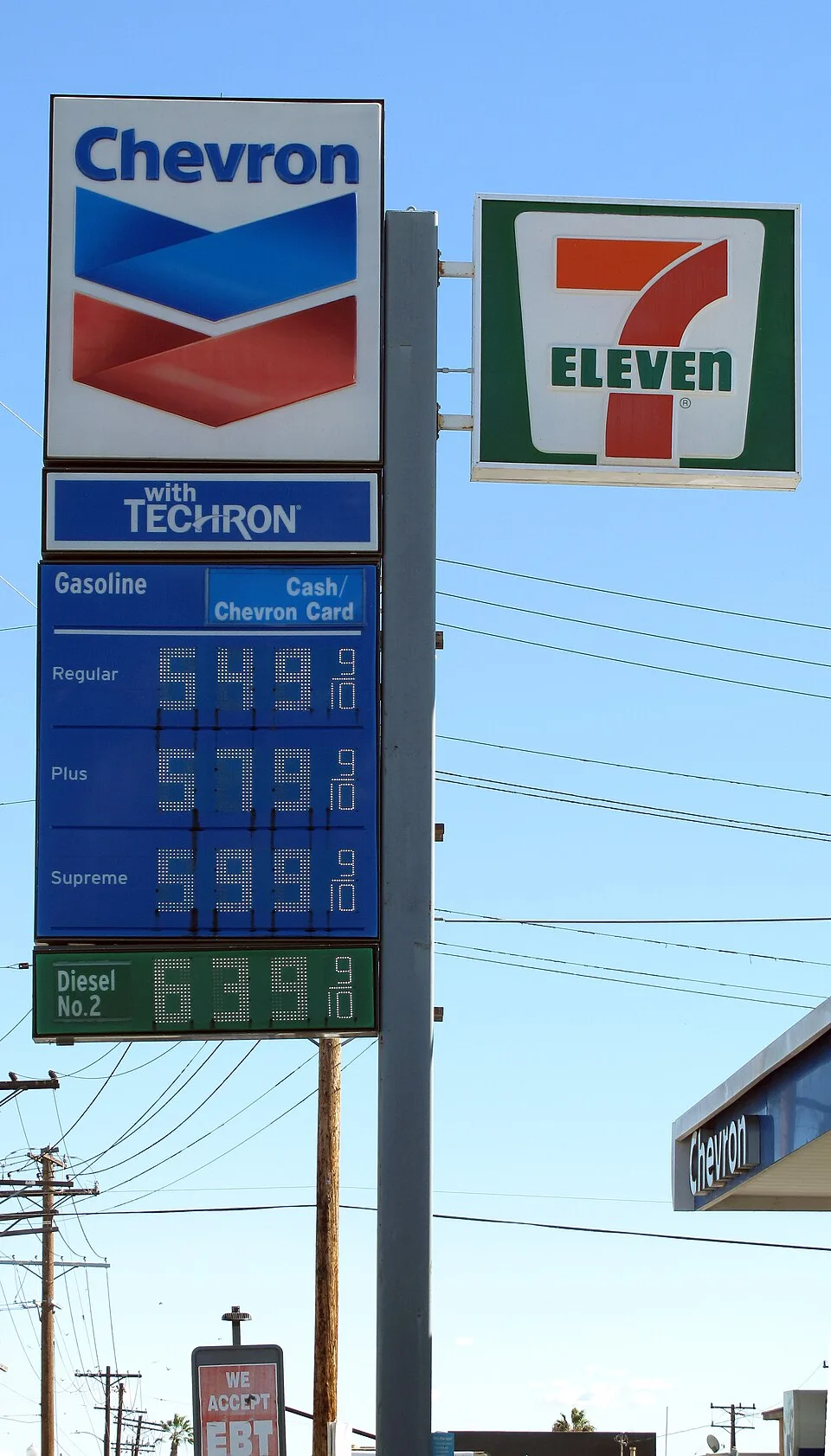
Retail gasoline prices in the U.S. had been falling for about a month. People were starting to feel it at the pump. That was nice while it lasted.
AAA data cited by NPR shows prices rose less than a penny per gallon overnight, which sounds fine until you read the part where higher crude costs typically take a few days to trickle through to the pump. So the penny overnight is basically the opening act. The real number comes later this week.
The ceasefire, which markets had treated as a genuine reason to calm down, is now gone. The war between the U.S. and Iran that started in February is back on. Every tanker trying to get through the Strait of Hormuz is a potential flashpoint. And the global economy, which was already shaky before any of this, gets to absorb all of it.
The Fed Is Watching and It Does Not Look Happy
The Federal Reserve under new chair Kevin Warsh was already in a tough spot before Tuesday night. Inflation has been running well above the Fed's 2% target, driven in part by energy prices that have been swinging wildly since the U.S. and Israel first hit Iran back in February. The central bank had been holding rates steady while it waited to see which way things broke.
NPR reports that the CME tracking tool, a market gauge that measures investor expectations for Fed action, now puts the odds of a rate hike this month at better than one in three. That's up from about one in four before the ceasefire collapsed. To put that plainly: the chance that the Fed raises borrowing rates on top of everything else just jumped by about 10 percentage points in a single day.
And there's more incoming. The Trump administration is reportedly preparing another round of global tariffs for the second half of the year. More tariffs mean more upward pressure on import prices. More import price pressure on top of energy price pressure on top of a potential Fed rate hike is the kind of economic sentence no one wants to read.
The IMF Already Told Us This Was Coming
The International Monetary Fund had already downgraded its global growth forecast before the ceasefire collapsed. NPR reports the IMF now expects the global economy to grow 3% in 2026, down from 3.5% last year. That's not a catastrophe in isolation, but it's a downgrade moving in the wrong direction at the wrong time.
In its latest outlook, the IMF warned explicitly that 'the possibility of renewed Middle East conflict looms large and could extend commodity price volatility, further threaten supply chains, raise prices, and weigh on financial conditions.' That was written as a warning about a risk. As of Wednesday, it reads like a checklist that someone is actively completing.
The IMF didn't have a specific view on Trump ending the ceasefire, because the IMF published before Trump ended the ceasefire. But they basically described exactly this scenario and said it would be bad. Here we are.
The Dingo Take
Let's be clear about the sequence of events here. The ceasefire was holding. Markets had recovered. Gas prices were falling. The Dow was at a record high on Monday. Then Trump blew it up, and by Wednesday we had an 800-point drop, a 7% oil spike, and a Federal Reserve that's now more likely to raise interest rates on a population already getting squeezed by inflation. Whatever the full story is on who fired first in the Strait of Hormuz, the decision to formally end the ceasefire was Trump's, and the economic consequences landed on everyone else.
The truly maddening part is that none of this is surprising. Global markets have been volatile since February, when this war started. The IMF warned about exactly this risk in writing. The Fed has been watching energy prices eat into its inflation targets for months. Everyone could see that the ceasefire was fragile and that its collapse would hurt. And yet here we are, watching it collapse, and acting surprised.
Somewhere between record highs on Monday and 800-point drops on Wednesday, there's a real question about what exactly the plan is. Not the military plan. The economic plan. Because right now the answer appears to be: tariffs, war, rate hikes, and hope for the best. That's not a strategy. That's a list of bad things happening at the same time.




Comments