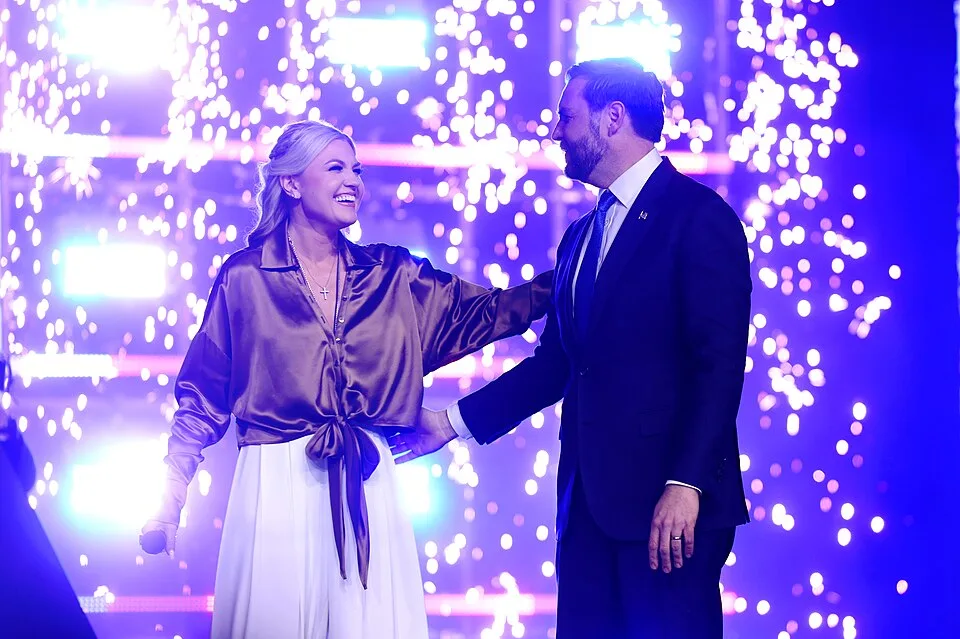
The widow of Charlie Kirk walked into a Utah courtroom to watch evidence presented in her husband's murder case and was reportedly denied a clear view of some of it. Now she's fighting back with a legal filing, and the reason she gives is one of the stranger sentences you'll read today: she's trying to get ahead of the conspiracy theorists.
What Erika Kirk Actually Filed
According to The Guardian, Erika Kirk submitted a three-page motion to district judge Tony Graf in Provo on the third day of a preliminary hearing for Tyler Robinson, the man accused of shooting Charlie Kirk at Utah Valley University last September. The filing argues that certain items of evidence were admitted into court without being made visible to the Kirk family seated in the room.
Her attorney Jeffrey Neiman argued this violated a Utah law giving crime victims and their lawful representatives specific rights during proceedings. The motion put it starkly: the Kirks were "present in body, yet denied the very thing their presence was meant to secure: their ability to meaningfully observe the preliminary hearing."
Neiman also told the court that denying the request could "create doubt and distrust in the judicial system." The filing didn't specify which particular pieces of evidence were kept from the family's view, and Judge Graf has not yet ruled on the motion.
The Conspiracy Theory Problem Nobody Wants to Say Out Loud
The motion's most striking line came near the end. "In the absence of transparency," it read, "speculation and conspiracy theories related to the tragic assassination of Mr Kirk will continue to proliferate in the public domain."
Let's sit with that for a second. Charlie Kirk built a media empire that treated conspiracy theories as a feature, not a bug. His organization Turning Point USA spent years mainstreaming disinformation, feeding his audience a steady diet of paranoid narratives about elections, COVID, and the deep state. And now his widow is in a Utah courtroom making a transparency argument to a judge because she knows, viscerally, exactly what conspiracy theory culture does to the truth.
She's not wrong to be worried. The machine Kirk helped build has already been chewing on this story. Getting the evidence into open court is, under the circumstances, a completely reasonable thing to ask for.
What the Hearing Has Revealed So Far
The Guardian reports that the preliminary hearing has already produced a substantial picture of the prosecution's case. Prosecutors say Robinson left a note for his roommate and romantic partner, Lance Twiggs, that read: "I had the opportunity to take out Charlie Kirk and I'm going to take it." He allegedly also texted Twiggs that he targeted Kirk because he "had enough of his hatred."
Twiggs spoke to authorities twice: first on September 12, two days after Kirk was killed, and again on April 20. He was granted immunity from prosecution in exchange for his statements. Defense attorney Richard Novak has tried to prevent the recording of Twiggs's interview from being shown in open court, arguing that prosecutors would try to frame it as a confession by Robinson, which he says threatens his client's right to a fair trial.
The hearing has also featured video footage allegedly showing Robinson entering the Utah Valley University campus and climbing onto a roof, testimony from law enforcement and university staff, and disputes over forensic evidence including a screwdriver, a Mauser 98 rifle found in nearby woodland, and the towel the rifle was wrapped in.
The Evidence Fights Going on Behind the Scenes
The case has already generated some sharp procedural battles. Defense lawyer Michael Burt raised objections about circled highlights and other alterations made to some of the video evidence, arguing those edits could unfairly influence jurors down the line if the case goes to trial.
There's also a DNA dispute in the mix, centered on the chain of custody of the forensic evidence. These aren't unusual fights in a murder case of this complexity, but they do explain why the defense might prefer that certain materials stay out of public view for now. It's an understandable legal strategy. It's also, from the Kirk family's perspective, exactly the kind of opacity that lets rumors breathe.
Judge Graf hasn't yet ruled on whether the Twiggs recording will be admitted. The hearing was still ongoing Thursday morning, according to The Guardian.
The Dingo Take
Here's the uncomfortable thing about this story. Erika Kirk is doing something genuinely reasonable. Asking for courtroom transparency in a high-profile murder case, particularly one that has already attracted the kind of online speculation that tends to rot into something uglier, is a sound legal and strategic move. Her attorney is right that secrecy creates distrust. She deserves to see the evidence in her husband's killing. That's not complicated.
What makes it complicated is the context. Charlie Kirk spent years in front of microphones telling millions of people not to trust institutions, not to trust mainstream evidence, not to trust anything that didn't confirm what they already believed. He called elections rigged. He called journalists enemies. He ran an organization that treated skepticism of facts as a virtue. And now the legal strategy protecting his legacy depends on openness, on evidence, on trusting the process. The irony isn't cruel, exactly. It's just extremely loud.
None of that means Tyler Robinson should get anything less than a fair trial. He absolutely should. And none of it means Erika Kirk's grief isn't real or her motion isn't legitimate. It's both. But if you want to understand why conspiracy theories about Charlie Kirk's death are "proliferating in the public domain," it helps to remember who spent fifteen years fertilizing that soil.




Comments