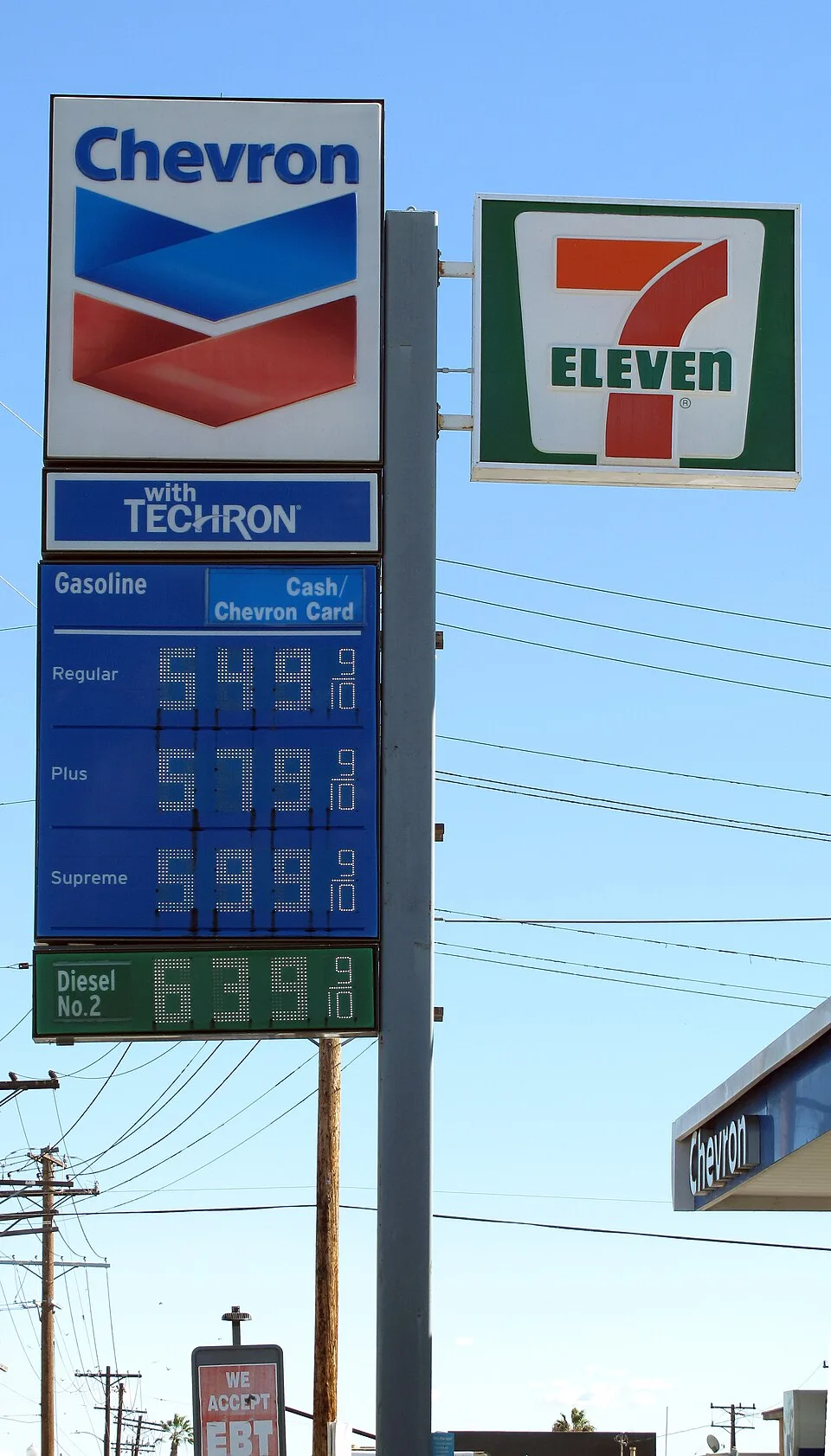
Before the United States started a war with Iran in late February, you were paying $2.98 a gallon for regular gas. This Friday, according to AAA, that number is $3.88 and climbing. The ceasefire that briefly dragged prices back down from a May peak of over $4.50 just got declared 'over' by the president himself, so buckle up.
Three Weeks of Peace, Then Back to This
Washington and Tehran signed a temporary ceasefire last month. Gas prices responded the way you'd expect: they fell. AAA tracked the national average dropping to $3.80 a gallon on July 5, a meaningful relief from the brutal $4.50-plus prices Americans were staring at in May. People were cautiously optimistic. That lasted about twenty days.
Then Iran struck three commercial vessels transiting the Strait of Hormuz on Monday and Tuesday, according to Fox News. Trump, speaking at the NATO Summit in Turkey this week, told Secretary-General Mark Rutte that peace with Iran is 'over.' He did add that negotiations would continue, because sure, why not.
The ceasefire is dead. Gas prices are moving again. CBS News reports the national average ticked up to $3.88 by Friday, and the direction of travel is not comforting.
The Strait of Hormuz Is the Whole Ballgame
Here is the part that should genuinely alarm you. The Strait of Hormuz handles roughly 20% of all global energy flows. Twenty percent. That is not a minor shipping lane. That is the jugular vein of the world's oil supply, and right now it is sitting in the middle of an active military conflict.
CBS News reports that the number of ships traversing the strait on Thursday fell to 34, the lowest daily count since June 28, when Iran launched drone attacks following U.S. airstrikes on the Islamic Republic. S&P Global found that roughly one-third of crossings on July 9 involved Iran-linked or sanctioned traffic. So the strait is moving less cargo, and a significant chunk of what is moving is sanctioned. Great.
Energy Secretary Chris Wright went on Fox News and told Americans not to worry, crediting the U.S. military with keeping oil flowing. 'It has not been any good behavior from Iran that's allowed oil to flow. It's been the United States military,' he said. He is not wrong about the military's role. Whether 'the military is handling it' is sufficient reassurance when the president just declared the ceasefire dead is a separate question.
Russia Is Also Making This Worse, Because of Course
The Iran situation would be enough on its own. But the global energy market does not operate in a vacuum, and Ukraine has been hitting Russian oil refineries and facilities, which GasBuddy petroleum analyst Patrick De Haan says is compounding the supply problem. 'Every refinery knocked offline in Russia removes refined products like gasoline and diesel from the global market, even if crude oil itself keeps flowing,' De Haan said in a report cited by CBS News.
Moscow's response has been to ban diesel exports outright, stacked on top of existing restrictions on gasoline and jet fuel exports, De Haan notes. Russia is hoarding fuel for itself, which tightens an already tight global market. Two simultaneous geopolitical crises squeezing the same energy supply. Fun summer.
On top of all that, this is July. Seasonal driving demand is up. And refineries are legally required to produce summer-blend gasoline, which reduces heat-related evaporation but costs between 10 and 25 cents per gallon more to produce, De Haan explains. None of these factors are fixing themselves anytime soon.
The Administration's Answer: A Gas Station Chain in Pennsylvania
Asked about rising gas prices and economic stability amid the escalating conflict, Energy Secretary Wright offered his thoughts on Freedom Fuel, a new chain of discount gas stations operating 25 locations across Pennsylvania and New Jersey. The Trump administration has heavily endorsed the chain, which promises prices below the national average by selling gas at wholesale cost and making money on convenience store sales instead.
'We love it,' Wright told Fox News Digital. To be fair to Wright, he did also say the administration is constantly monitoring global oil supplies and called current trends 'still all positive.' But the contrast is hard to ignore: oil prices account for 51% of the cost of a gallon of gas according to the Energy Information Administration, global supply is being squeezed from two directions simultaneously, and the administration's most concrete consumer relief is twenty-five gas stations in the greater Philadelphia area.
Wright also emphasized consumer choice regarding electric vehicles, noting that Americans should be able to buy whatever kind of car they want. Which is a fine sentiment. It is just not a gas price policy.
The Math Nobody Wants to Do
Let's be direct about what this war has cost American drivers so far. Regular gas was $2.98 a gallon just before hostilities with Iran began in late February, per CBS News. It peaked at over $4.50 in May. It dropped back to $3.80 after the ceasefire. It is now $3.88 and rising, with the ceasefire freshly dead.
That is a roughly 90-cent-per-gallon increase from pre-war baseline. For a 15-gallon fill-up, that is $13.50 more every single time you go to the pump, compared to what you were paying in February. Multiplied across 270 million registered vehicles in the United States, multiplied across months of conflict, the number gets very large very fast.
The war in Iran has not been free. It is being paid for at every gas station in the country, and the bill is still running.
The Dingo Take
Trump spent most of 2024 screaming about gas prices being Joe Biden's fault. '$5 gas!' was practically a campaign slogan. Gas was $3.14 when he took office the first time, and he never let anyone forget it. Now his administration is running an active war that has added nearly a dollar per gallon to what Americans pay to fill their tanks, and the ceasefire that was briefly pulling prices back down just got torpedoed at a NATO summit. The silence from the 'drill baby drill' crowd is instructive.
Chris Wright is not a stupid man. He knows the U.S. military keeping the strait open is not the same as the strait being stable. He knows that 'constantly watching' oil supplies is not a policy. He knows that twenty-five discount gas stations in New Jersey do not offset a global supply shock. But he went on Fox News and said what he was supposed to say, and the ticker will show prices going up regardless.
The honest version of this story is simple: the United States is in a war that costs money, that money is being extracted directly from American consumers at the pump, and there is no clear exit ramp. The president says the ceasefire is over. Iran is still attacking ships. Russia just banned diesel exports. It is July, so everyone is driving anyway. And the national plan, as best anyone can tell, is to point at the military and hope the market calms down on its own. It probably won't.





Comments