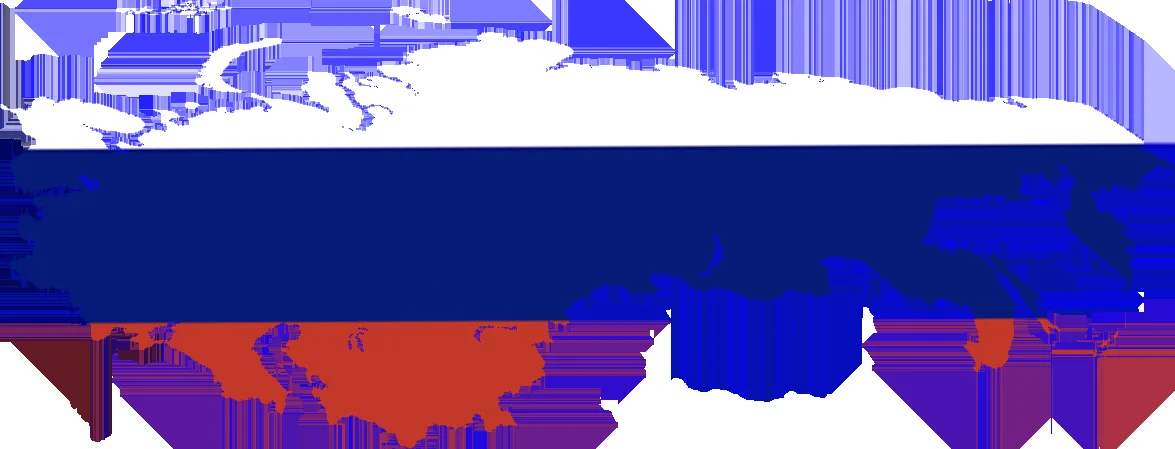
Something genuinely surprising happened this week: Donald Trump, the man who spent years treating Vladimir Putin like a pen pal he was too nervous to disappoint, has signaled support for a bill that would slam heavy tariffs on every country still buying Russian oil. According to CBS News, the White House has approved the latest draft of a bipartisan Russia sanctions bill from Senators Lindsey Graham and Richard Blumenthal. Ukraine's President Zelenskyy has already been told.
What the Bill Actually Does
The Graham-Blumenthal legislation would allow the United States to impose high tariffs on any country that keeps purchasing Russian oil and natural gas. That's a secondary sanctions mechanism, meaning it's not just punishing Russia directly. It's punishing Russia's customers.
The two biggest customers, as CBS News notes, are India and China. So the bill, if passed and signed into law, would put the U.S. in the position of economically pressuring two of the world's largest economies over their energy purchases from Moscow. That is not a small thing. That is a very big thing dressed up in Senate bill language.
The timeline for when tariffs would actually kick in after the legislation is signed remains unclear, according to CBS News. Senate Majority Leader John Thune had previously said he'd move the bill when the votes were there. The Senate returned to Washington on Monday, so the clock is ticking.
How We Got Here
CBS News reports that Senator Graham flew to Kyiv on Friday and personally briefed Zelenskyy that the bill has White House backing. Zelenskyy confirmed the meeting on X, saying Graham had briefed him on "the work underway in Congress on the relevant bill." Diplomatic understatement of the year, frankly.
What apparently moved the needle for Trump, according to CBS News sources, is a combination of two things: Putin's relentless attacks on Ukrainian civilians, which have worn on the president's patience, and Ukraine's recent battlefield gains, which Trump apparently finds genuinely persuasive. Nothing like a little winning to change someone's political calculus.
Blumenthal also pointed to favorable timing on the economics. The price of oil has dropped since tensions with Iran cooled off, which makes the tariff threat less likely to trigger a catastrophic energy price spiral domestically. Good timing for once. Somebody mark the calendar.
The Bipartisan Part Is Real and Also Slightly Unhinged
Graham and Blumenthal are not exactly a natural pairing. Lindsey Graham has spent the better part of a decade doing a full political somersault on almost every position he once held. Blumenthal is Connecticut Democratic Senate royalty. The fact that these two are the public faces of this bill, with Jeanne Shaheen and Roger Wicker also on board, tells you something about how broadly supported tightening the screws on Russia actually is, outside of the noise.
Blumenthal told CBS News he doesn't have a final vote count yet, but he believes Democratic support will materialize. Given that the White House is now on record approving the bill's latest draft, the political cover for Republicans to vote yes just got considerably thicker.
Zelenskyy's Very Good Week
The sanctions bill was apparently not even the only major development for Ukraine this week. CBS News reports that Zelenskyy also secured two significant wins at the NATO summit: a long-sought license for Ukraine to produce Patriot interceptors domestically, and Trump's sign-off on U.S. purchases of Ukrainian drones. Zelenskyy had been pushing for the Patriot production license since at least May, when he made a direct ask on Face the Nation.
To recap: in the span of a few days, Zelenskyy got the White House to back secondary oil sanctions on Russia, got permission to manufacture Patriot interceptors, and sold drones to the United States military. That is a genuinely remarkable diplomatic run for a country that has been fighting for its survival for over four years.
The senators involved released a joint statement noting that "Russia intensifies its slaughter of civilians" and calling on the legislative and executive branches to work together to hit those who are "fueling the Putin war machine." The language is stark. It's also accurate.
What Happens Next
The Senate is back in session, Thune has his cue, and the vote count is being assembled. How fast this moves depends on whether Senate leadership actually prioritizes it and whether the vote math holds together. That's two significant variables.
China and India will not be quietly pleased about this. Both countries have dramatically increased their Russian oil purchases since the war began in 2022, effectively helping bankroll the war effort while Western sanctions tried to cut off Moscow's revenue. Secondary tariffs would force them to choose between cheap Russian energy and access to U.S. markets. That is not a comfortable choice, which is precisely the point.
The Dingo Take
Let's be honest about what we're watching. For three-plus years, the dominant anxiety around Trump and Russia was that he would find some face-saving way to hand Putin a victory, abandon Ukraine, and call it a peace deal. That anxiety was not irrational. It was based on extensive, documented evidence of Trump's posture toward Moscow going back a decade.
And yet here we are. The White House is backing secondary oil sanctions. Zelenskyy is leaving NATO summits with Patriot licenses and drone contracts. Ukraine is apparently winning enough on the battlefield to shift Trump's reading of the situation. None of this means the threat to Ukraine is over, or that Trump won't reverse course on a Tuesday because someone said something flattering to him on television. It means that right now, in this moment, the policy has moved in a direction that is actually bad for Putin.
Credit where it's due, even when it stings to give it. The bill still has to pass, and Congress has a long and storied history of letting important things die quietly in procedural quicksand. But if Graham and Blumenthal and the White House can actually get this done, it matters. The question is whether the Senate can close the deal before the news cycle eats it alive.





Comments