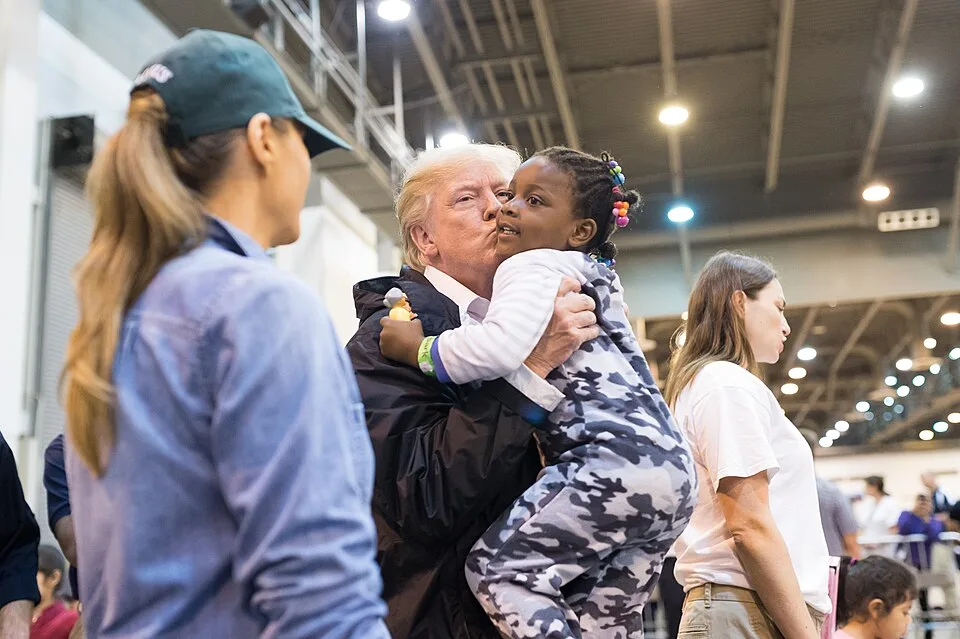
Sometime before Monday, Donald Trump looked at a map of the Middle East, which has been on fire in various configurations for the better part of a decade, and decided the smart move was to quietly tell Mohammed Bin Salman: go for it. The Saudis hit Sanaa airport. The Houthis fired back. And a four-year unofficial truce that was the one fragile thing holding that conflict together is now, possibly, rubble.
What Actually Happened Monday
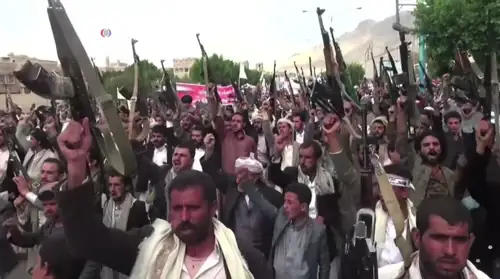
According to Axios, which cited U.S. officials, Trump gave Saudi Crown Prince Mohammed Bin Salman his explicit support for a military strike against the Iran-backed Houthis in Yemen. That strike hit Sanaa airport on Monday. The Houthis, who did not take this lying down, responded with retaliatory missile attacks.
Axios describes it as the most serious cross-border escalation since 2022. Four years of an unofficial, informal, nobody-signed-anything-but-at-least-people-weren't-dying-at-this-rate truce. Gone. Just like that. With an American presidential blessing attached.
The Truce That Apparently Meant Nothing
That four-year truce between Saudi Arabia and the Houthis was never pretty. It was never official. It was more like two exhausted fighters leaning on each other between rounds than any real peace. But it held. Imperfectly, messily, but it held.
Now Axios is reporting that U.S. officials are already flagging the possibility that this could signal the collapse of that arrangement entirely. A renewed full-scale military conflict between Saudi Arabia and the Houthis. Think about what that means geographically, logistically, and humanitarily. Yemen was already the site of what the United Nations called one of the world's worst humanitarian crises before any of this week happened.
Iran Is in the Room Too
Here's where it stops being a regional problem and starts being everyone's problem. The Houthis are Iran-backed. The U.S. and Iran are already in an active, grinding, low-boil conflict. Axios specifically flags that a Saudi-Houthi war reigniting could broaden the war between the U.S. and Iran.
So to recap the geometry here: Saudi Arabia strikes. Houthis fire back. Houthis are Iranian proxies. The U.S. just endorsed the Saudi strike. Iran is watching. Everyone is armed. This is not a complicated equation, and none of the answers at the end of it are good.
The MBS Factor
Let's not skip past the identity of the person Trump just handed a military permission slip to. Mohammed Bin Salman. The crown prince whose own government's intelligence services the U.S. concluded ordered the killing and dismemberment of Washington Post journalist Jamal Khashoggi in 2018. The same MBS that the Trump administration has consistently treated like a valued business partner rather than someone who should be anywhere near American foreign policy endorsements.
Trump giving MBS the green light for a military escalation in one of the most volatile corners of the Middle East is either a calculated geopolitical strategy or a staggering act of casual recklessness dressed up as dealmaking. Given this administration's track record, you're allowed to have a strong guess about which one it is.
What This Could Look Like If It Gets Worse
The last time Saudi Arabia was in a full military campaign in Yemen, between 2015 and the informal ceasefire period, the results were catastrophic. Tens of thousands dead. Infrastructure destroyed. Famine conditions for millions. Cholera outbreaks. Children starving on camera while the world argued about arms sales.
And that was before the Houthis spent four years getting more capable, more armed, and more integrated into the broader Iranian military network. Before they demonstrated, during the Gaza conflict period, that they could hit ships in the Red Sea and make the global shipping industry genuinely nervous. A reignited conflict is not going to look like the 2015 version. It is going to look considerably worse.
The Dingo Take
The thing that should keep you up at night is not just that this happened. It's how it happened. Quietly. Through back channels. Trump told MBS it was fine, MBS hit an airport, missiles flew, and the world found out from Axios citing U.S. officials who apparently felt someone should know. There was no public debate. No congressional notification we know of. No address to the nation explaining why restarting a catastrophic Middle Eastern conflict was in the American interest. Just a phone call, or whatever the equivalent was, and a thumbs up.
This is the actual foreign policy of the United States right now. One man, with no particular expertise in Yemeni politics or the humanitarian consequences of Saudi air campaigns, deciding on behalf of three hundred and thirty million people that blowing up a truce was a good call. And the man he made that call with has a body in a Turkish consulate that the CIA tied directly to his orders. We are completely serious about all of this.
Watch the next 72 hours. Watch whether the Houthis escalate further. Watch whether Iranian officials say anything publicly. Watch whether any Republican in Congress asks a single question about what the United States just endorsed and why. That last one, if we're being honest, you probably shouldn't hold your breath for.




Comments