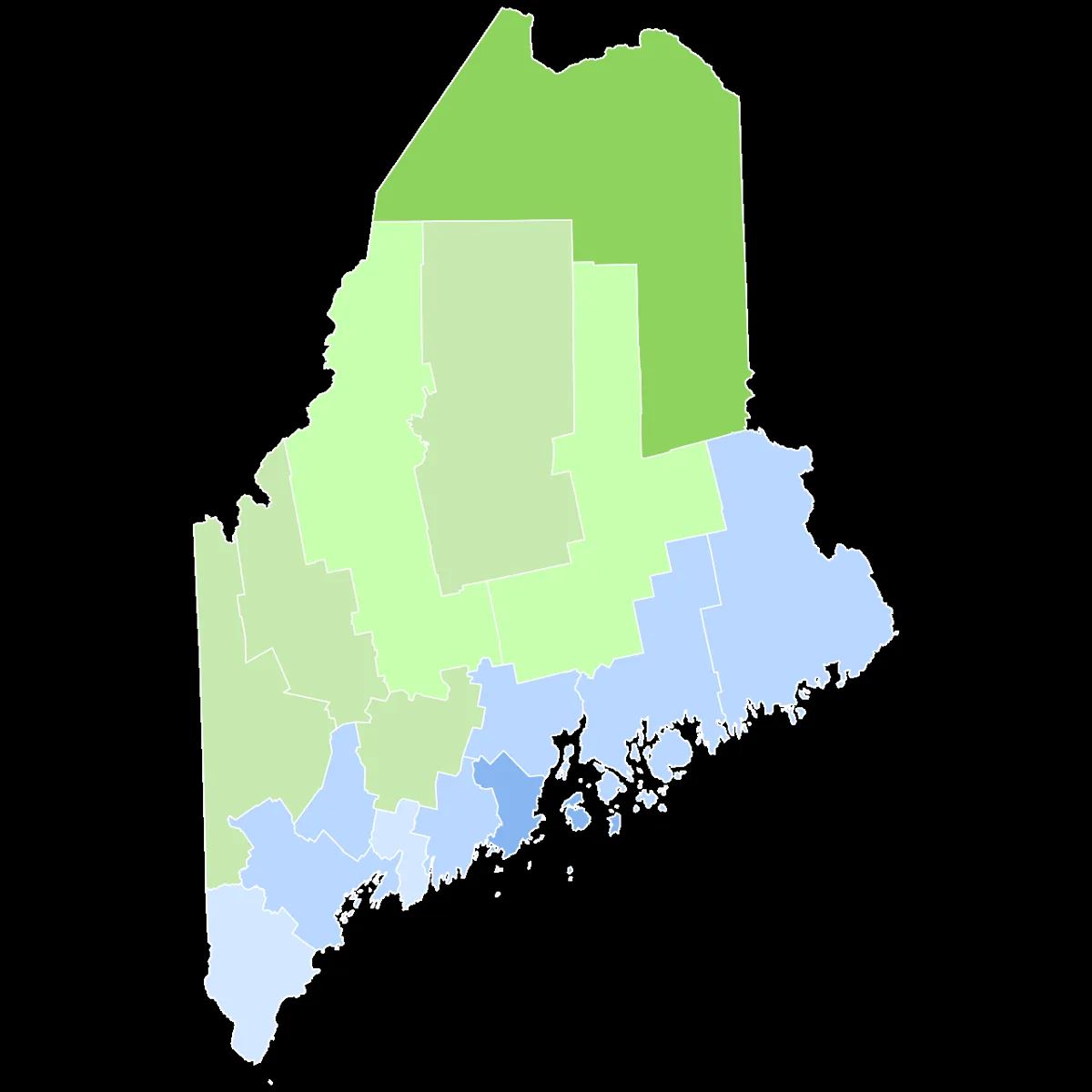
Maine Democrats had their guy. He won the primary handily, he was galvanizing voters who'd given up on politics entirely, and he had a real shot at unseating one of the most durable Republican incumbents in the country. Then came the rape allegations. Now the party has 11 days, 601 delegates, and a deadline to find someone who can do what Platner was supposed to do, minus the catastrophic personal scandal.
What Actually Happened Here
Graham Platner won June's Democratic primary by a comfortable margin, running an economic populist campaign that seemed tailor-made for this political moment. The system is rigged for the rich, regular people are getting crushed, the whole thing. Voters responded. Then, last week, a former romantic partner alleged rape. Platner denies the allegations and dropped out of the race.
The clock started immediately. Maine Democrats now face a July 27 deadline to get a name on the November ballot. Their solution is a party convention on July 25, where 601 delegates will vote to select a replacement nominee. So yes, the entire Democratic strategy for flipping a Senate seat in a genuinely competitive state now rests on a room full of party delegates making a high-stakes pick in under two weeks.
Why This Race Actually Matters
Susan Collins has held her Senate seat since 1997. She is, by any reasonable measure, a remarkably durable politician. Maine voted for Joe Biden in 2020 and Collins still won reelection that year by more than 8.5 points. She has figured out how to be a Republican in a state that keeps voting Democratic for president, and she has done it repeatedly.
Democrats still see Maine as one of their best pickup opportunities to retake the Senate majority. Platner's populist pitch was specifically designed to peel away the independent voters who have been the foundation of Collins' longevity. That plan is now in a dumpster fire. At the Moxie Day parade in Lisbon on Saturday, Collins was out walking with volunteers in red shirts, telling NPR that people appreciate her "steady leadership." She is not sweating this.
The Candidates Scrambling for the Spot
Into the void stepped several Maine Democrats who apparently keep a metaphorical go-bag packed for exactly this scenario. David Costello was out on the sidewalk in Brunswick on Sunday gathering the signatures required to be considered at the convention, asking passersby if they were registered Democrats and describing himself as "very progressive" when pressed.
Maine State Senate President Mattie Daughtry, a Democrat who did not endorse Platner and called on him to drop out as soon as the allegations surfaced, told NPR she's encouraged that multiple candidates are running on Platner's platform of transformational change. She is less encouraged about what this whole mess is doing to voters. "I do have that deep seated concern of how many folks are going to say 'oh well, this man failed me. Why trust someone ever again?'" she said. That is the correct concern to have.
The Voters Who Got Left Holding the Bag
Here's who you should actually feel terrible for. Joseph Berube is an independent voter from Northport who checked out of politics in 1972 after George McGovern got demolished. More than fifty years later, Graham Platner got him interested enough that he was considering donating to a political campaign. "Because I am so apolitical," Berube told NPR. "I want nothing to do with it. [But] I was actually considering giving money to his campaign." That's gone now.
Charlotte Agell, a longtime politically engaged Democrat, went to a backyard event early in Platner's campaign and walked in with him by chance. She signed up to volunteer on the spot. "I felt a kinship with everything that was coming out of his mouth basically," she told NPR. Alan Crichton was playing saxophone at Platner's primary night victory party one month ago. This weekend he told NPR the situation is "a big old mess." He'll vote for whoever the party picks, but he's hoping they find someone who can "carry the torch that Graham kind of lit."
These are the people who got excited, showed up, knocked on doors, and had the rug yanked out from under them. They didn't do anything wrong.
What the Party Needs to Pull Off in 11 Days
The task in front of Maine Democrats is genuinely difficult in a way that goes beyond just finding a warm body to put on the ballot. Platner's appeal was specific. He was a charismatic economic populist who tapped into real anger about real problems, and that energy is not easily transferred to a replacement chosen by a convention delegate vote with no public primary.
Daughtry put it plainly to NPR: "We need to find who can pick up that mantle. Who understands what that life is like and really tap into that raw energy." She talked about running for office at 25 because she was working four jobs, couldn't afford an apartment, and had no healthcare. That's the constituency Platner was speaking to. Any replacement candidate needs to convince those voters, fast, that this wasn't a one-person project.
The Dingo Take
Let's be honest about the math here. Democrats need to pick up Senate seats to retake the majority. Maine is one of the most realistic pickup opportunities on the map. Susan Collins is genuinely beatable if the right candidate with the right message turns out the right voters. And the Democrats found that candidate, watched him win a primary, and then watched him implode over rape allegations before the general election even started. This is not a small setback.
The convention process is the correct call given the circumstances, but it comes with real costs. A candidate chosen by 601 delegates is going to spend the next several months explaining to skeptical voters why they should trust a process that feels very different from the one they participated in back in June. Collins, who has survived everything Maine's political environment has thrown at her for nearly thirty years, does not need to do anything except show up to parades and talk about steady leadership while the other side sorts out its disaster.
The one thing that might save this is if the anger that Platner tapped into is bigger than Platner himself. If voters are furious enough at what's happening in Washington, if the economic pain is sharp enough, if the right candidate emerges from that convention with credibility and energy, this race could still be competitive. But nobody should pretend this is anything other than a serious self-inflicted wound at the worst possible time.




Comments