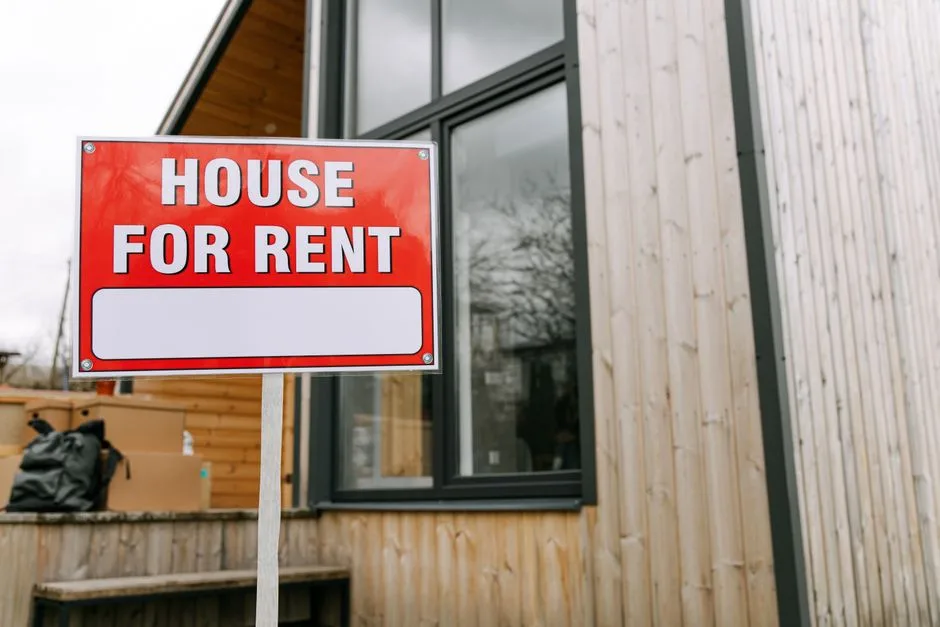
Someone in the East Bay listed their neighbor's house for $800 a month on TikTok. They didn't own it. They didn't have a key to it. They just needed someone desperate enough for affordable housing to send a deposit before asking too many questions. In California, that is not a hard demographic to find.
The Scam Is Exactly As Brazen As It Sounds
The Placentia Police Department in Orange County issued a public warning this week after tracking what it calls a sharp rise in rental fraud spreading across Facebook Marketplace, TikTok, and Instagram. The mechanics are simple, cynical, and devastatingly effective: scammers lift photos and property descriptions straight from legitimate real estate listings, homes currently for sale on the MLS, and repost them as affordable rentals at prices that would make any struggling renter's eyes go wide.
The listing looks real. The photos are real. The house is real. The landlord collecting your deposit? Completely made up. By the time you show up to sign a lease, you've already wired money to someone sitting in a different city, possibly a different country, who has never set foot on the property.
According to the New York Post, one East Bay resident figured out the con only because a stranger walked up to him on the street and asked if anyone lived in the house next door. That stranger had found the listing online. When the neighbor looked it up, he discovered his own home had been advertised as a rental for $800 a month. He did not authorize this. He did not get a cut. He did not even know until a confused prospective tenant showed up on his block.
Why This Works on People Who Should Know Better
Here is the thing about housing scams: they work because the housing market is itself insane. When the median rent in California cities regularly exceeds $2,500 for a one-bedroom, an $800 listing does not necessarily read as a scam. It reads as someone's desperate uncle who just inherited a place and doesn't know what it's worth. It reads as a private landlord who wants a quiet tenant over a higher bidder. It reads as the break you've been waiting three years for.
That's exactly what scammers are banking on. The Placentia Police Department flagged suspiciously low prices as one of the primary red flags to watch for, along with landlords who demand a deposit before they'll agree to show you the inside of the property. Both are textbook manipulation: create urgency, create scarcity, collect the money before the mark has time to think clearly.
The platforms carrying these listings, Facebook, TikTok, Instagram, have been aware of this problem for years. They have also continued to be extraordinarily useful places to run this scam, because their moderation systems are built to chase engagement, not fraud.
What the Cops Are Actually Telling You to Do
The Placentia Police Department's guidance is straightforward and worth repeating. Do not send money to anyone until you or someone you trust has physically walked through the inside of the property. Not toured the outside. Not seen a video walkthrough the alleged landlord filmed. Inside. In person.
Search the property address on Zillow or Realtor.com. If the home is actually listed for sale under a completely different agent's name, you are looking at stolen material. The PPD also urges anyone who gets burned to move fast: contact your bank immediately to freeze funds, file a complaint with the Federal Trade Commission, report the listing to whichever platform hosted it, and file a police report with Placentia PD directly at 714-993-8164.
This Is a Housing Crisis Problem Wearing a Tech Problem's Clothes
Rental scams are not new. What's new is the scale, the speed, and the supply of victims. Every time rents spike, every time inventory tightens, every time a working person gets priced out of their neighborhood and starts scrolling at midnight looking for something, anything, affordable, the pool of potential targets grows.
California has handed scammers an enormous gift by making legitimate housing so inaccessible that people will take risks they know they probably shouldn't take. That's not blaming the victim. That's identifying the structural condition these criminals are exploiting for profit while legislators argue about zoning laws and tech companies count their ad revenue.
The Dingo Take
Let's be clear about what is happening here. Scammers are harvesting real estate listings, slapping a price on them that reflects what housing should cost in a functional society, and letting California's broken rental market do the rest of the work. They are not fooling stupid people. They are fooling exhausted ones.
The platforms hosting these scams will issue statements about community safety and then do functionally nothing, because the cost of meaningful fraud prevention would cut into engagement metrics, and engagement metrics are what pay the bills. Facebook Marketplace in particular has been a well-documented disaster zone for rental fraud for the better part of a decade now. The fact that TikTok and Instagram have joined the party is not surprising. It's a growth market.
If you are renting in California right now, or anywhere with a hot market, print out the PPD's checklist and tape it to your wall. No in-person walkthrough, no money. Full stop. The person on the other end of that DM is not your future landlord. They are someone who saw an opportunity in your desperation and took it, and the system that created that desperation is not going to save you.




Comments