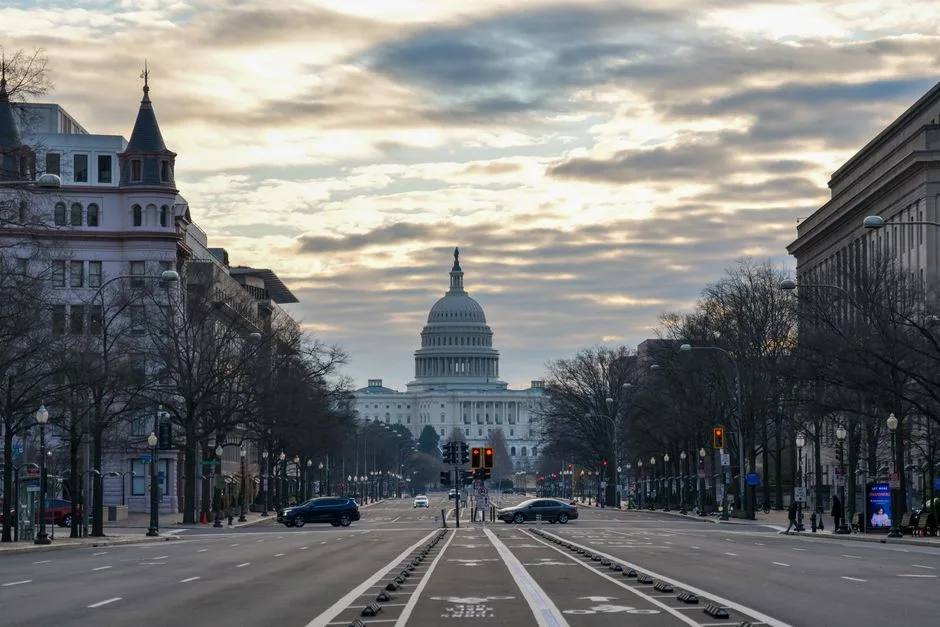
The United States carried out a wave of military strikes against Iran this weekend as the conflict between the two countries continued to escalate, according to NPR. Meanwhile, back in Washington, Congress is staring down a pile of unfinished business with August recess looming like a long-booked vacation nobody's willing to cancel.
Bombs Away: What We Know About the Strikes
NPR is reporting that the U.S. launched a significant wave of strikes against Iran as hostilities between the two nations intensify. This is not a diplomatic spat. This is not a strongly worded letter. This is active military escalation between the United States and a country of 90 million people that has spent decades preparing for exactly this scenario.
The details of what was hit, how many strikes, and what the immediate damage looks like are still coming in. But the arc of this story has been visible from a long way off. U.S.-Iran tensions have been wound tight for years, and any given week's worth of news has carried the smell of something bigger coming. Well. Here we are.
What makes this moment genuinely alarming is the word "wave." A single retaliatory strike is a message. A wave of strikes is a campaign. Those are two very different things, and the distinction matters enormously for what happens next.
How We Got Here
U.S.-Iran relations have essentially been in freefall since the Trump administration's first term blew up the 2015 nuclear deal, and the two countries have been trading escalations with the enthusiasm of people who have genuinely convinced themselves the other side will blink first. Neither side blinks. This is the lesson history keeps offering and nobody keeps learning.
Iran's nuclear program has continued advancing. Its regional proxies have continued operating. And the current administration has continued choosing military pressure over diplomatic engagement, because diplomacy requires sitting across a table from someone you've called an existential threat, and that makes for bad television.
Now here we are, with American bombs falling on Iranian territory and the entire Middle East holding its breath. Whatever triggered this particular wave of strikes, nobody woke up this morning surprised that it happened. Worried, sure. Surprised? No.
Congress Has a To-Do List and a Plane to Catch
While the bombs were falling, NPR also reports that Congress is facing a packed legislative agenda with August recess approaching. Let that sit for a second. The country is in active military conflict with Iran, and a significant portion of Washington's political class is thinking about whether they'll get their work done before they leave for the beach.
The specifics of what's still sitting on Congress's plate weren't fully detailed in the initial reports, but the broader picture is familiar to anyone who's watched this institution function over the past decade. Things pile up. Deadlines approach. Members perform urgency. Then they leave anyway, or they pass something so stripped down it barely counts, or they kick the can into September and pretend that was the plan all along.
The timing here is particularly grim. A military escalation of this scale is exactly the kind of moment that historically demands congressional engagement, oversight, debate, and authorization. What it's more likely to get is a series of strongly worded tweets from members who are already mentally on vacation.
Andy Burnham Is Now the UK's Prime Minister, Which Is Also a Thing That Happened
In news that would have dominated the cycle on literally any other day, NPR reports that Andy Burnham has become the United Kingdom's seventh prime minister. Burnham, the former Mayor of Greater Manchester and long-time Labour figure who built a genuine working-class political brand in the north of England, has made it to the top job.
British politics has been moving at a pace that makes American political chaos look organized. Seven prime ministers is a lot. The UK has cycled through leaders faster than some television series cycle through supporting characters, and each transition has come with its own flavour of crisis, scandal, or simple political implosion.
Burnham is a different kind of figure from his recent predecessors. He has real regional credibility, a record of actually delivering things in Manchester, and a political style that tends toward substance over spectacle. Whether any of that translates into stability at the national level is a question the UK is about to spend the next several years answering.
The Dingo Take
Here is the thing about a moment when the United States launches a wave of strikes against Iran while Congress debates whether to finish its homework before recess: it tells you everything about where American governance actually is right now. The most consequential military action in years is unfolding, and the legislative branch that is constitutionally supposed to authorize the use of military force is primarily concerned with its calendar.
The War Powers Act exists. It has always existed. It has also been functionally ignored by every administration since its passage in 1973, and Congress has spent fifty years either too timid or too comfortable to enforce it. So instead we get a president launching waves of strikes while senators mentally pack their bags. This is the system working exactly as it has been allowed to degrade.
What happens in Iran over the coming days and weeks is genuinely unknowable, and anyone telling you they know how this ends is lying to you or lying to themselves. What is completely knowable is that this is serious, that the American public deserves real answers about what the objectives are and what the plan is, and that those answers are unlikely to arrive before half of Washington has checked into their August rental. God help us all.




Comments