Three in ten Americans say they have shoplifted this year. Not luxury goods. Not electronics. Food. Personal hygiene products. The basics. And according to a new LendingTree study covered by CBS News, nearly all of them say they did it because they couldn't afford to pay.
The Numbers Are Worse Than Last Year
LendingTree surveyed 2,000 Americans in early June and found that 30% admitted to shoplifting in 2025, up from 24% in 2024. That is a six-point jump in twelve months. To put that in terms a politician might actually understand, that's roughly one in three people you'd pass in a grocery store aisle.
About 90% of those who admitted to stealing cited affordability concerns and the broader economy as driving factors, according to the LendingTree findings. This is not a crime wave born from moral collapse or a generation that doesn't respect property. This is what desperation looks like when it gets a bar code.
What People Are Actually Stealing
Here is the part that should make you put down whatever you're doing. The most commonly stolen items, per the LendingTree study, are food and nonalcoholic drinks. Not steaks. Not whiskey. Groceries. The kind of stuff you need to keep a household running.
Clothing came in second, personal hygiene products third. People are stealing soap. Shampoo. Deodorant. Respondents also reported taking school supplies and toys, which, if you need a second to sit with that, take it. Beyond food and basics, some shoplifters did report taking technology and electronics, but LendingTree was clear that the bulk of reported theft tilted hard toward necessities over luxury.
Matt Schulz, LendingTree's chief consumer finance analyst, put it plainly in a statement: "When people are willing to risk the consequences of shoplifting for basics like food and personal hygiene products, it's an unmistakable sign that many families are struggling mightily just to make ends meet." There is no polite way to dress that up.
Where They're Stealing It From
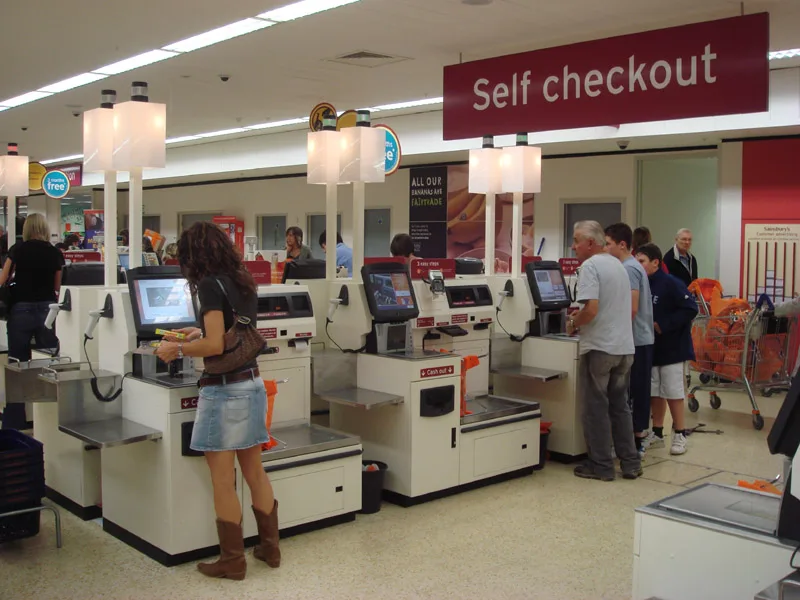
According to LendingTree, respondents were slightly more likely to steal from major chain retailers than from independent shops, which tracks. Big boxes are easier targets. Anonymity. Self-checkout lanes. Foot traffic you can disappear into. Schulz noted in the study that large retailers offer "expansive layouts" and "a wide selection of everyday essentials, making it easier for someone to blend in."
When asked which specific retailers they found easiest to steal from, 47% of shoplifters named Walmart. Family Dollar came in second. Amazon Fresh and Kroger rounded out the top four. So the same companies that have spent years loudly blaming shoplifters for price increases are also, according to their own customers, the easiest places in America to walk out without paying. That particular irony writes itself.
The Inflation Connection Nobody in Power Wants to Talk About
CBS News points out that inflation has accelerated in 2025, driven in significant part by the Iran war sending oil and gasoline prices sharply higher. Everything downstream of oil costs more. Getting to the store costs more. The food inside the store costs more. The energy used to keep it cold costs more. The whole system is squeezing people from every direction at once.
The LendingTree study did not try to make a political argument. It just asked people questions and wrote down what they said. But the answers form a pretty coherent picture of an economy where a meaningful chunk of the population has quietly crossed a line they never expected to cross, not because they wanted to, but because the math stopped working.
The Risks Are Real, and That's the Point
To be clear, shoplifting is a crime with serious consequences. Schulz said in the LendingTree report that getting caught "can lead to short-term financial costs, including fines and legal fees, as well as longer-term consequences, such as making it harder to get a job or rent an apartment." A theft charge can crater someone's life well beyond the value of what they took.
That's exactly what makes this data so grim. People know the risks. They are doing it anyway. When the downside of getting caught feels roughly equivalent to what you're already living with, you have a society that is communicating something very loud about how close to the edge people actually are.
The Dingo Take
Let's be direct about what a 30% shoplifting rate actually means. It means the system that is supposed to provide people with enough stability to buy food without stealing it has failed roughly one third of the country badly enough that they have resorted to petty crime to fill the gap. That's not a personal failing on a mass scale. That's a policy outcome.
And yet the dominant political conversation in this country remains focused on punishing shoplifters harder, adding more surveillance, stiffening sentences, making Walmart feel safer for shareholders. Nobody in a position of actual power seems particularly interested in asking why tens of millions of people are stealing soap. That question has an answer, and the answer is inconvenient.
The Iran war has jacked up gas prices. Inflation is grinding people down. Wages haven't kept up. And somewhere in a suburb near you, a parent is slipping a box of cereal into a bag because the math didn't work out this week. That is the story. The shoplifting is just the symptom.


Comments