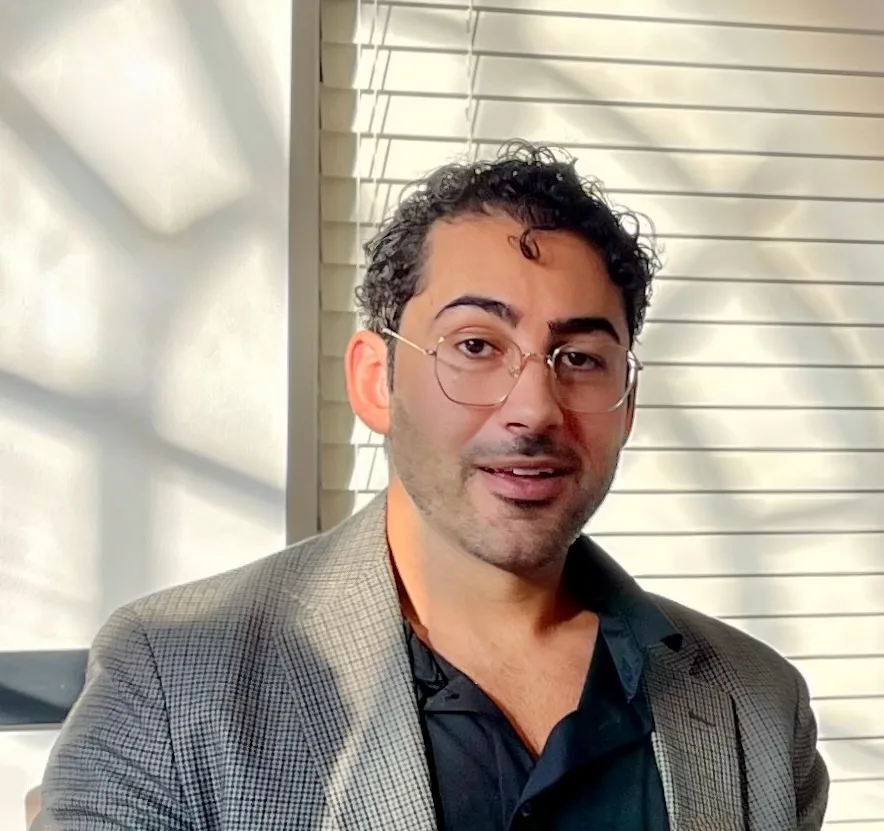
A federal appeals court just made it considerably easier for the Trump administration to re-arrest a man it originally nabbed during his own citizenship interview. The Second Circuit Court of Appeals reversed a lower court decision that had freed pro-Palestinian Columbia activist Mohsen Mahdawi, and the government is now circling. This is the part where we're supposed to say the system is working as intended.
What the Court Actually Did
Tuesday's unanimous ruling from the Second US Circuit Court of Appeals in New York overturned a federal judge in Vermont who had ordered Mahdawi's release and, in his decision, compared the government's campaign against student activists to McCarthyist repression. The appeals panel didn't say that comparison was wrong, exactly. They said the Vermont judge had overstepped his authority by stepping in before Mahdawi's case had fully worked its way through the immigration court system.
So this isn't the court saying Mahdawi has no case. The Guardian reports the panel explicitly declined to weigh in on whether he was unconstitutionally targeted for criticizing Israel. That question gets to wait. He can raise it in federal court once he's exhausted every option in the immigration system first. Which, if you're keeping score at home, is a system currently overseen by Donald Trump's Department of Justice.
Mahdawi's ACLU attorneys said Tuesday that despite the ruling, the government cannot detain or deport their client while the appeals process is ongoing. That's something. It's not nothing. But it is a much thinner shield than the one a Vermont federal judge had given him.
How We Got Here
Mahdawi, 35, was born in a refugee camp in the Israeli-occupied West Bank and became a legal permanent resident of the United States in 2015. He organized pro-Palestinian protests at Columbia University. Then, in April 2025, immigration agents arrested him during what was supposed to be a routine citizenship interview. Think about that for a second. He showed up to become more American. They put him in handcuffs instead.
He was released two weeks later and went on to graduate from Columbia. The Trump administration, not known for taking losses gracefully, kept pushing to have him deported. Now the Second Circuit has handed them a procedural win that could let them try again.
In a statement after the ruling, Mahdawi called it "a grave setback" that would give the government "the power to intimidate, censor, and punish dissent without meaningful restraint." That is not hyperbole. That is a precise description of what these cases, taken together, are building toward.
The Khalil Blueprint
If this situation sounds familiar, it should. The Guardian notes Tuesday's ruling directly mirrors an earlier appellate decision this year against Mahmoud Khalil, a former Columbia classmate of Mahdawi's. Khalil was also arrested by the Trump administration for his activism, also fought his detention in federal court, and also watched an appeals panel send his case back into the immigration system labyrinth.
The pattern is becoming clear: the administration arrests an activist, a lower court intervenes, an appeals court reverses on procedural grounds without touching the constitutional questions, and the activist is left exposed while those bigger questions sit unanswered for months or years. This is not an accident. This is the strategy.
Who Else Is Caught in This Net
Mahdawi and Khalil are the most prominent names, but they are not alone. At a Second Circuit hearing last September, government attorneys also argued against the release of Rümeysa Öztürk, a Turkish doctoral student at Tufts University who was detained by masked federal agents after co-signing an op-ed critical of Israel. An op-ed. She co-signed a newspaper opinion piece and masked federal agents grabbed her.
According to The Guardian, the Second Circuit is still expected to issue a separate ruling in Öztürk's case. Given the pattern established with Khalil and now Mahdawi, anyone holding out hope for a different outcome from the same court should probably manage expectations. The government's argument in all three cases is the same: habeas corpus relief, the ancient legal protection against unlawful detention, should be unavailable to people whose cases are moving through immigration courts. The courts, so far, are buying it.
What the Government Isn't Saying
The Department of Homeland Security did not respond to an emailed inquiry about the ruling, The Guardian reports. Classic. The administration that has loudly proclaimed these arrests are about national security and not about suppressing speech cannot apparently be bothered to respond to basic press questions on the day a major court ruling goes in their favor.
That silence is its own statement. If this were genuinely about national security, you'd think they'd want to tell people about it. Instead they collect the procedural win, say nothing, and let the uncertainty do the intimidation work for them.
The Dingo Take
Here is what this administration has accomplished with these cases. It has demonstrated to every noncitizen in the United States that expressing a political opinion the government dislikes can get you arrested at your own citizenship interview, held for weeks, and then kept in legal limbo for over a year while your life falls apart. The courts haven't said that's constitutional. They've said it takes time to decide. The administration is betting that time itself is punishment enough.
The ACLU says Mahdawi can't be deported while appeals continue, and that matters. But the goal here was never simply to deport one Columbia graduate. The goal is the chilling effect. The goal is every other student, every other activist, every other noncitizen looking at Mahdawi and Khalil and Öztürk and deciding their opinion isn't worth the risk. On that count, the government doesn't need to win in court. It just needs to keep the cases going.
And the Second Circuit, by declining in both the Khalil and Mahdawi rulings to touch the actual constitutional questions, has handed the administration exactly the kind of procedural cover it needs to keep the machinery running. No ruling on whether this is legal. No ruling on whether it's a First Amendment violation. Just: go back through the system first. The same system these activists' attorneys told the court offers no real hope of relief. The appeals panel heard that argument. They ruled anyway. Make of that what you will.


Comments