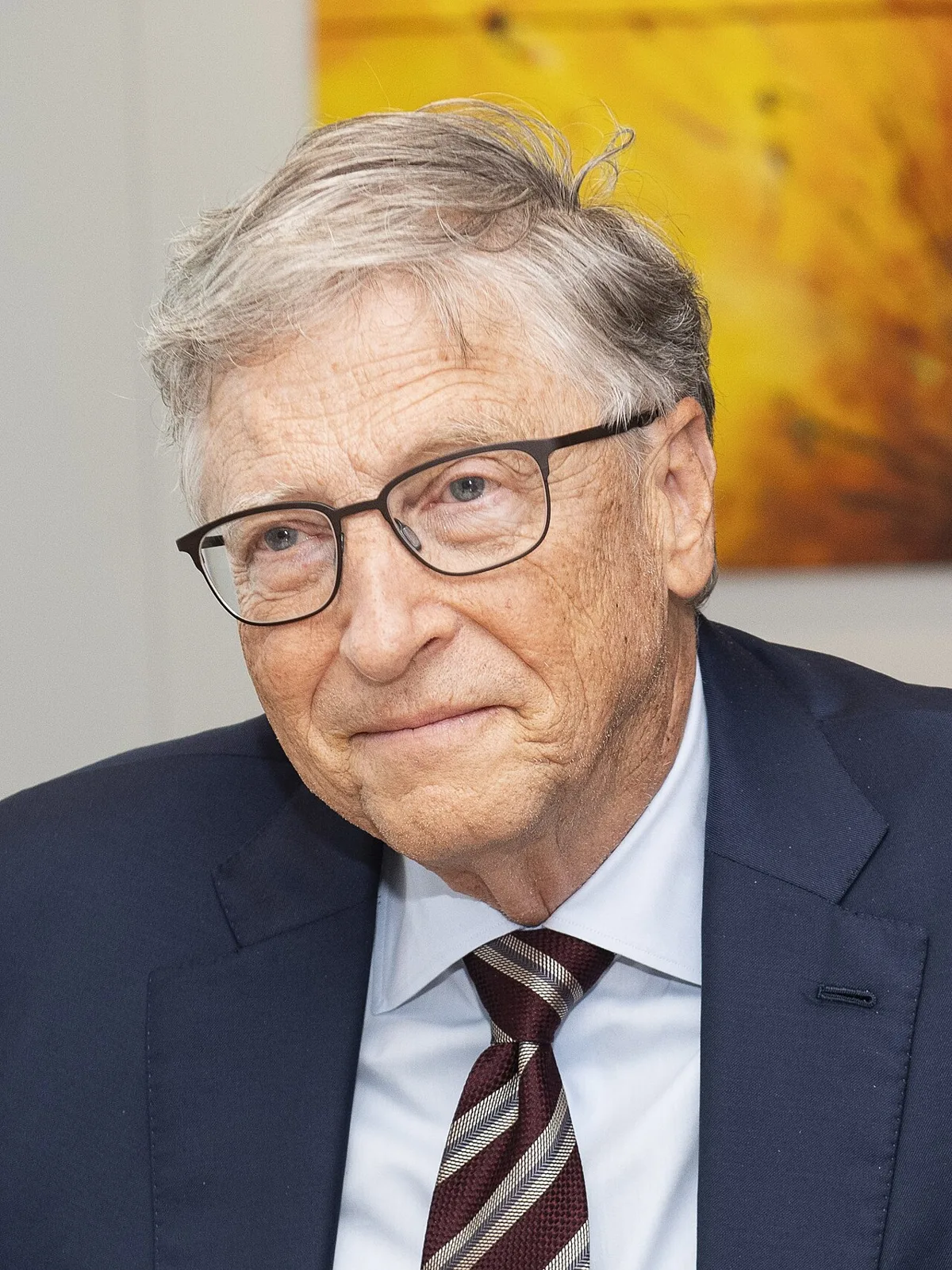
The Gates Foundation commissioned an outside law firm to review its ties to Jeffrey Epstein, and the results are exactly as uncomfortable as you'd expect. According to a summary released Tuesday by WilmerHale, foundation staff flagged the risks of associating with a convicted sex offender on multiple occasions, raised those concerns all the way to senior leadership including Bill Gates himself, and the meetings kept happening anyway. Thirty of them, over three years.
What the Review Actually Found
WilmerHale, the law firm the Gates Foundation hired in March to conduct the review, spent roughly five months on this. They conducted more than 50 interviews with current and former foundation personnel, reviewed extensive written materials, and talked to Gates directly. The summary they released Tuesday covers the period from 2011 to 2014.
The firm identified roughly 30 meetings between Epstein and ten foundation leaders and staff, including Gates. Those meetings took place in various locations, including one on the foundation's own campus and several at Epstein's Manhattan residence. The Guardian reports that the meetings focused on a potential donor-advised fund concept, donor engagement, the foundation's polio strategy, and introductions to an organization called IPI.
WilmerHale said it found no evidence that Gates or the foundation participated in or had knowledge of Epstein's ongoing sex trafficking operation. It found no evidence that Epstein was paid by the foundation. It also found no evidence the foundation knew Epstein was using the foundation's name to help advance his criminal conduct. These are important findings. They're also the absolute floor of what you'd hope a major philanthropic organization could say about itself.
The Part That Actually Matters
Here is the sentence in the WilmerHale summary that you need to read twice. The report concluded that Gates "was aware of reputational concerns related to Epstein's prior conviction and sentencing for a sex-related offense when he began conversations with him in 2011" and that foundation staff had "raised on multiple occasions the risks of associating with Epstein because of his prior conviction, and those concerns were raised to senior leadership, including Mr. Gates."
So to be completely clear about what happened: multiple people inside the Gates Foundation looked at Jeffrey Epstein, a man who had pleaded guilty in 2008 to solicitation of prostitution with a minor, and said out loud, to the people in charge, that this was a bad association. And then the meetings continued. For three more years.
Gates has said publicly, including in June testimony before the House Committee on Oversight and Reform reported by The Guardian, that he "never witnessed nor had any indication" that Epstein was engaged in ongoing criminal conduct. He also said he recalled being aware of Epstein's prior legal issues but "did not fully understand the extent of the crimes he committed." That tracks with what WilmerHale found. But there's a significant difference between not knowing the full horror of what Epstein was doing and being repeatedly warned by your own staff that the guy is a liability and deciding the potential donor access was worth the risk.
How Gates Says This Started
According to Gates's own account, as reported by The Guardian, he was introduced to Epstein in 2011 through people he trusted in his professional and philanthropic work. The WilmerHale review identified the introducer more specifically as an adviser who held a dual role at the foundation and in Gates's personal office.
Epstein's pitch, according to Gates, was that he could raise billions of dollars for global health from clients for whom he provided tax and estate services. That's the hook. That's what made a man with a prior sex crime conviction worth thirty meetings with one of the most powerful philanthropic organizations on earth. Gates told Congress he accepted the introduction "without applying the scrutiny I should have." The interactions ended, Gates says, in December 2014.
The Foundation's Response and What Comes Next
The Gates Foundation's governing board, apparently persuaded that commissioning the review was insufficient on its own, also approved a series of recommendations based on the findings. According to The Guardian, these include creating a centralized vetting process for brokers, donor advisers, co-funders, and others who facilitate funding partnerships with the foundation, as well as a new escalation process for organizational risks on projects.
Gates issued a statement calling the review "an important step in providing the clarity that partners, employees, and grantees deserve." He said the foundation is "committed to ensuring trust and transparency are never compromised." Which is the kind of thing that sounds more reassuring when you haven't just learned that trust and transparency were, in fact, compromised for three years while employees raised concerns that got overridden.
The review itself was commissioned back in March, The Guardian notes, after the Justice Department released millions of documents related to Epstein earlier this year. Those files included numerous references to Gates, photographs of him, and records of multiple meetings. So the foundation didn't decide to look into this on its own initiative. It decided to look into it after the federal government made the alternative untenable.
The Epstein Files Forced the Issue
It's worth keeping in mind what kicked all of this off. The Justice Department released millions of Epstein-related documents in early 2026, and the Gates Foundation was not alone in finding itself suddenly very interested in explaining prior relationships. The files put Gates's name and face in the record in ways that couldn't be hand-waved.
The foundation acknowledged earlier this year that it was aware of emails in the Epstein files between Epstein and Gates Foundation staff, and said at the time that it "regrets having any employees interact with Epstein in any way." That's a strong statement. It also came roughly twelve years after the first of those thirty meetings.
The Dingo Take
Look, the WilmerHale review is doing something real here. It's an actual external investigation, not a PR document written by foundation staff. The finding that no one at the Gates Foundation participated in or knew about Epstein's crimes is meaningful and should not be dismissed. That distinction matters enormously.
But here is what this story is actually about. A man with essentially infinite resources and a team of sophisticated professionals was told, repeatedly, by people who worked for him, that associating with a registered sex offender was a serious organizational risk. And the calculus that came back from the top was: thirty more meetings over three years. The pitch was access to donors. The prize was billions in potential philanthropic capital. And it turned out that the guy who promised all that access was running a child sex trafficking operation the whole time. These things can both be true: Gates may have had no idea what Epstein was actually doing, and Gates may have made a catastrophic judgment call in deciding that reputational risk warnings from his own staff were manageable.
The foundation is now building vetting processes and escalation frameworks and centralized oversight systems. Great. But the employees who raised concerns about Epstein already had an escalation process. They escalated. Someone at the top made a different call. No org chart fixes that. What fixes that is leadership that treats a prior conviction for soliciting sex from a minor as a disqualifying fact, not a reputational variable to be managed. The Gates Foundation is learning that lesson roughly fifteen years late and thirty meetings too many.



Comments