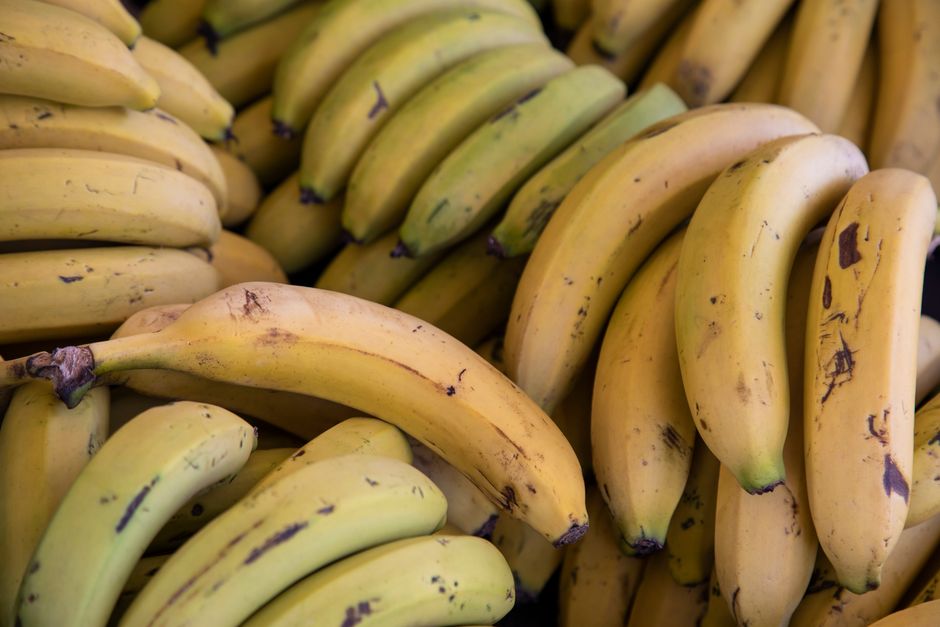
Italian police pulled 1,700 pounds of pure cocaine out of a refrigerated banana container at the port of Vado Ligure this week, with a street value of $286 million. It was the second massive cocaine bust at the exact same port in July alone. Apparently, when you find a good spot, you use it twice.
Yes, the Bananas Again
According to CBS News, the cocaine was discovered hidden inside a refrigerated container that arrived from Ecuador, tucked among dozens of pallets of bananas at the northwest Italian port of Vado Ligure. Police released a video of officers pulling the drugs from the shipment, which is a fun genre of content that apparently gets made constantly now.
This was not a fluke or a one-off. Earlier this month, at the same port, authorities seized 340 kilograms of cocaine with a street value of 120 million euros. Same port. Same month. Somebody is very committed to a system that keeps getting them caught.
Italian police noted in their statement that Vado Ligure has become an increasingly attractive target for criminal networks precisely because it is a growing European trade hub. Which is a very polite way of saying: the bad guys noticed before the cops did, and now everyone is playing catch-up.
The Banana Pipeline Is a Whole Thing
Here is the part of this story where you realize this is not a quirky one-time drug bust but an entire ongoing international criminal strategy that has been working well enough to keep being tried. CBS News ran down the history and it is genuinely staggering.
In March 2026, three people were charged in the United Kingdom after allegedly trying to move nearly $100 million worth of cocaine inside a banana shipment. Last August, Greek police seized nearly 600 pounds of cocaine hidden in bananas imported from Ecuador. In July 2025, Russia said it seized 1,800 pounds of cocaine under a banana shipment. Two months before that, employees at a Norwegian fruit distributor found a packet of cocaine in a box of bananas and tipped off customs officials, who then found a stash of 147 kilos.
Go back further. In December 2024, authorities in the Dominican Republic confiscated nearly 9.5 tons of cocaine from a banana shipment at the country's most important seaport. In August 2024, customs agents seized more than 200 pounds at a Greek port from a fruit-carrying ship. In July 2024, police dogs in Ecuador helped locate more than six tons of cocaine hidden in bananas headed to Germany.
Six. Tons. In one shipment. To Germany. Via banana.
Why Bananas, Exactly
It is not a mystery. Bananas arrive in refrigerated containers that need to be moved fast before the fruit goes bad, which means customs inspectors are under time pressure. They are one of the most commonly traded agricultural commodities on earth, meaning there is enormous volume to hide things inside. Ecuador, which is both the world's largest banana exporter and one of the primary cocaine transit countries in South America, is the common thread running through most of these cases.
It is almost elegant, in a horrifying way. The logistics of the global fruit trade were essentially pre-built for exactly this kind of operation. You do not need to create a shadow infrastructure when a legitimate, high-volume, time-sensitive global supply chain already exists and happens to originate in cocaine country.
The Port That Just Cannot Catch a Break
Vado Ligure is having a month. Following the first bust earlier in July, CBS News reports that Italian authorities increased monitoring of the port as a potential transit point for international trafficking. That heightened monitoring is presumably what caught this second shipment.
Which raises the obvious question: if the first bust prompted more monitoring, and the second shipment still showed up, how many got through before anyone was paying close attention? Italian investigators noted in their statement that the port's role as a growing European trade hub makes it an attractive target for criminal networks. Translation: they built a nicer port and the criminals showed up first.
The Dingo Take
The banana thing should be embarrassing for everyone involved, but somehow it keeps working well enough to keep being attempted. We have now had major cocaine-in-bananas busts in Italy, the UK, Greece, Russia, Norway, Ecuador, and the Dominican Republic, all within roughly the past two years. At some point this stops being a series of isolated law enforcement wins and starts being a flashing indicator that the global banana supply chain has a structural cocaine problem that nobody with authority over trade policy seems particularly eager to fix.
The busts that get made are the ones that get counted. What does not get counted is everything that made it through before anyone thought to look carefully at the refrigerated fruit containers. Vado Ligure got hit twice in one month at the same port, which means either the traffickers are spectacularly stupid or they have done the math and figured the success rate still makes it worth it. Neither answer is comforting.
So the next time someone hands you a banana, know that it has passed through one of the most thoroughly exploited smuggling vectors in modern organized crime. Enjoy your potassium.