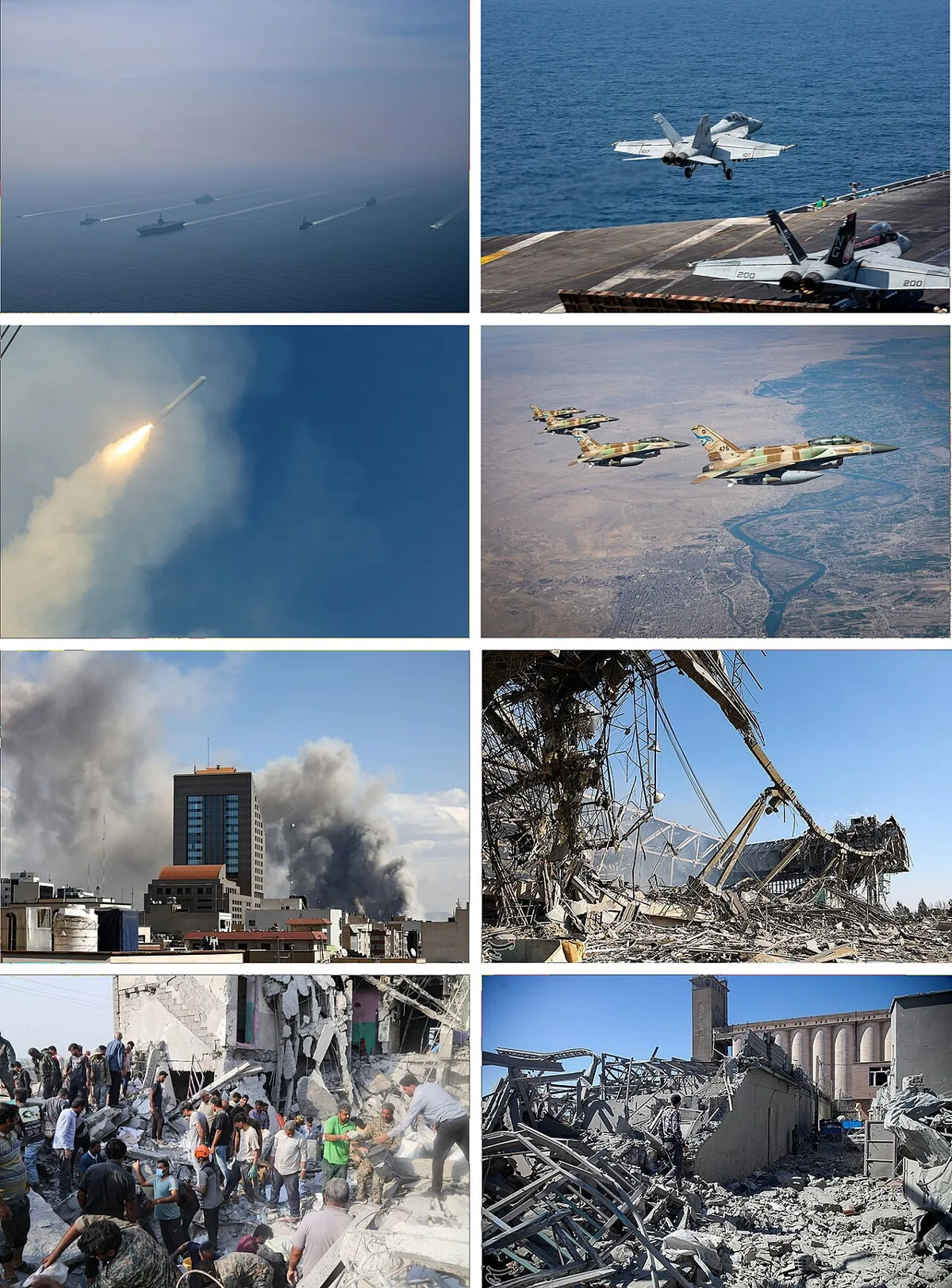
On Wednesday, Trump stood at Dover Air Force Base and saluted four flag-draped transfer cases carrying Americans aged 19, 25, 28, and 30 years old, all killed in a war that has now cost at least $37.5 billion and left at least 18 Americans dead. The ceasefire he announced collapsed. The peace plan fell apart. And according to the senators grilling his defense secretary a day earlier, nobody in this administration can explain what winning actually looks like.
Four Names You Should Know
According to NBC News, the four service members flown from the Middle East to Dover Air Force Base were Angel S. Rampersad, 28, of New York; Michael Emmanuel Swinton, 30, of North Carolina; Tyler James Feehan, 25, of Hawaii; and Isabella Gonzales, 19, of Texas. Nineteen years old. She was old enough to enlist but not old enough to buy a beer.
The Pentagon confirmed the timeline: Gonzales was killed Friday, Feehan was killed Saturday, and Swinton was killed Sunday during what the Pentagon described as a controlled detonation of an attack drone. Rampersad's situation is grimmer still. NBC News reports that the Pentagon says she is 'believed to have been killed' in Jordan and that 'the incident is under investigation.' The military's own accounting of her death is not yet complete.
Family members were there. They watched uniformed service members carry their children, siblings, and spouses off a plane and load them into vans. Trump, Defense Secretary Pete Hegseth, Chairman of the Joint Chiefs Gen. Dan Caine, and White House press secretary Karoline Leavitt all stood and watched. Senators Thom Tillis and Chris Coons attended as well. The president met privately with the families afterward, the White House confirmed.
A War That Was Supposed to Be Over
Here's the thing about this dignified transfer: it almost didn't have to happen this month. There was a ceasefire. Both sides agreed to a peace plan. Then it fell apart, and on July 8, Trump declared the ceasefire over, according to NBC News. Four Americans died in the two weeks that followed.
This is Trump's third dignified transfer since the war started in February, but his first since blowing up the ceasefire himself. The war has now killed at least 18 Americans, cost at least $37.5 billion by NBC News's count, and has been busy inflating oil prices in ways that every American feels at the pump. The administration's stated justification is preventing Iran from getting a nuclear weapon. That is a real and serious goal. What is less clear, based on everything senators heard Tuesday, is how this war actually gets there.
Hegseth Had No Good Answers for the Senate
The day before the Dover ceremony, Pete Hegseth was in front of senators getting absolutely lit up over the cost and strategy of the conflict. NBC News reports the hearing was tense and that Senator Gary Peters of Michigan did not come to play nice.
'You have over a trillion dollars,' Peters told Hegseth. 'You're asking for one and a half trillion dollars. It's not a question of money. It's a question of leadership and understanding what it takes to actually win.' Peters called the administration's efforts 'an utter and complete failure.' That is a Democratic senator, yes, but criticism of this war's direction has come from both sides of the aisle, according to NBC News. When you've lost the Republicans who reflexively back any military action, something has gone sideways.
What Trump Said Before Getting on the Plane
Before heading to Dover, Trump spoke to reporters and delivered the kind of statement that sounds presidential in the moment and becomes harder to sit with the longer you think about it. NBC News has the quote: 'We're going to Dover. Some of you are going with us. To honor our heroes, and they are indeed great heroes, actually. They said, and all of them said very strongly, we can't let, we cannot let Iran have a nuclear weapon. They won't have a nuclear weapon. So we're going to honor them.'
He also said attending dignified transfers is 'one of the hardest things to do' as president. That part is probably true. Watching the consequences of your decisions get carried off a plane in flag-draped cases while families stand a few feet away should be hard. What should also be hard is going back to Washington afterward and still not having a coherent answer to the question of how this ends.
The Dingo Take
Let's be direct about what happened Wednesday. The government flew four young Americans home in boxes, the president saluted them for the cameras, and then everyone went back to their offices in a city where the Senate had just finished hearing that this war is an 'utter and complete failure' with no visible finish line. That's the sequence. That's the week.
The war began in February. The ceasefire came and went. At least 18 Americans are dead. The price tag is already $37.5 billion and climbing toward what Hegseth is apparently now requesting, which is a budget north of a trillion dollars. Somewhere in the accounting of all that money and all those bodies, there is supposed to be a strategy. Senators on both sides asked for it Tuesday and didn't get one. The families at Dover Wednesday deserved one long before their kids got on that plane.
Isabella Gonzales was 19 years old and from Texas. The Pentagon is still investigating exactly how Angel Rampersad died in Jordan. These are not abstractions. These are not line items in a defense budget. The least this administration owes them, and owes the country, is an honest accounting of what this war is for and how it ends. So far, all we've gotten is salutes and press releases and Pete Hegseth getting grilled on C-SPAN. That's not a strategy. That's a photo op with a body count.

Comments