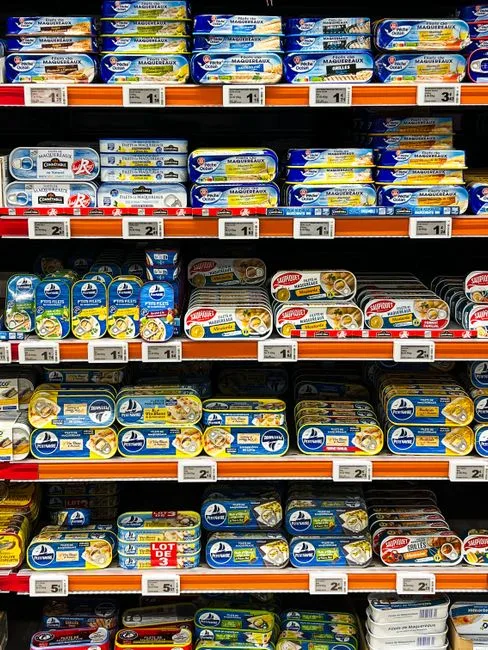
A store knows you live in a wealthy zip code, that you've bought this exact product a dozen times, and that you're unlikely to shop around. So it quietly charges you more than the stranger standing next to you. New Jersey just made that illegal. Governor Mikie Sherrill signed the Fair Price Protection Act into law, making her state the third in the country to tell retailers they can keep their algorithmic price gouging to themselves.
What Surveillance Pricing Actually Is (And Why It's So Creepy)
Here's the thing most people don't realize: when you shop online, or even in certain physical stores, the price you see may not be the price someone else sees. Retailers collect data on your browsing history, your location, your purchasing habits, and your apparent willingness to pay, then feed it into algorithms that spit out a personalized price. Personalized meaning designed specifically to extract the maximum amount of money from you specifically.
This isn't a conspiracy theory or a hypothetical. The Guardian reports that New Jersey's new law targets exactly this practice, prohibiting businesses from using shoppers' personal data to set individualized prices on groceries and other essential items. Not hypothetical future tech. Stuff happening now.
The Federal Trade Commission flagged surveillance pricing as a serious concern back in 2024, and the practice has been spreading as retailers get more sophisticated with AI-driven pricing tools. The bottom line is that companies found a way to charge different people different amounts for identical products without telling anyone. And they called it innovation.
What the New Law Actually Does
The Fair Price Protection Act draws a clear line. According to Sherrill's office, as reported by The Guardian, businesses cannot use personal data to set individualized prices on groceries and other essential items. If you and your neighbor are both standing in the checkout line with the same can of soup, you pay the same price. Revolutionary, apparently.
The law does carve out exceptions for loyalty programs and other discounts, which is a reasonable distinction. A store offering a member discount to everyone who signs up is different from an algorithm quietly deciding that your browser history suggests you can afford to pay three dollars more for olive oil.
There's also a separate and genuinely interesting provision buried in the legislation. The rollout of new electronic shelf labels, those digital price tags that can update instantly across an entire store, gets paused for one year while the New Jersey Innovation Authority studies their impact. Existing labels can stay up, get repaired, get replaced. But no new systems while the state figures out whether they're being used as a price-gouging delivery mechanism dressed up in tech-company aesthetics.
Sherrill Didn't Mince Words About It
Governor Sherrill's statement after signing the bill was refreshingly direct for a politician. "New Jersey families are already feeling the pressure of higher costs," she said, as reported by The Guardian. "The last thing they need is companies secretly using their personal data to charge them more than someone else for the exact same product."
She went further: "If businesses want to compete, they should do so by offering better prices, not by finding new ways to squeeze shoppers." Which is, you know, how markets are supposed to work. The fact that this needed to be said, let alone written into law, tells you something about where we've ended up.
Labor is on board too. Ademola Oyefeso, vice-president of United Food and Commercial Workers International, specifically praised the electronic shelf label pause, telling The Guardian: "The law's moratorium on the use of electronic shelf labels is an important step to ensure this technology does not harm New Jersey shoppers or workers." When retailers are excited about technology, it's usually worth asking exactly who benefits.
New Jersey Is Third, But This Is Moving Fast
The Guardian reports that Maryland and Connecticut have both already banned surveillance pricing, and a similar bill is sitting on New York Governor Kathy Hochul's desk waiting for her signature. Four northeastern states, potentially in quick succession, deciding that AI-driven personalized price manipulation is not actually the free market innovation retailers tried to sell it as.
This is how consumer protection legislation tends to spread. One state does it, the sky doesn't fall, another state does it, and eventually the practice either gets curtailed nationwide or companies have to maintain fifty different pricing systems and the economics stop making sense. The question is whether federal action ever follows, or whether this stays a patchwork of state-by-state bans that companies find ways to route around.
Oyefeso expressed hope that New Jersey's law would "serve as a catalyst for states across the country" to pass similar protections, specifically against what she called predatory pricing set by artificial intelligence. Given the current federal government's enthusiasm for deregulation, state-level action might be all we're getting for a while.
The Dingo Take
Let's appreciate the audacity it takes to build a system that secretly charges people different prices for the same product based on what your algorithm knows about their life, then present that to the public as a technological achievement. Surveillance pricing isn't market innovation. It's the old-fashioned practice of charging rich people more and taking advantage of loyal customers, automated and scaled up and wrapped in enough tech jargon that everyone forgot to be outraged about it.
The fact that three states have had to pass laws explicitly making this illegal tells you exactly how the retail and tech industries responded when the practice first came to light: not with self-regulation, not with transparency, not with a voluntary moratorium. With nothing. They kept building it out. So now legislators are doing the job that market forces were supposed to handle, and industry lobbyists will spend the next decade arguing this somehow hurts consumers.
Mikie Sherrill signed a law that says stores have to charge everyone the same price for the same product. That should not be a news story in 2026. The fact that it is, and that it's genuinely good news, is a useful summary of where we are.





Comments