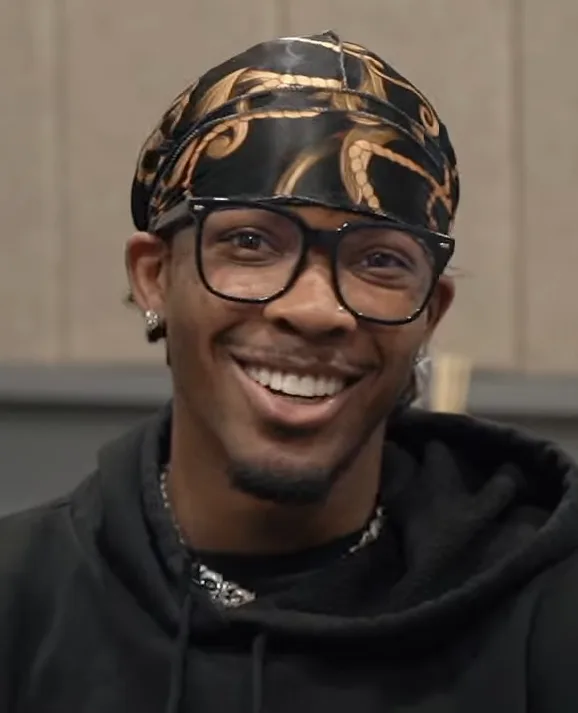
A Los Angeles judge ruled Monday that singer D4vd, born David Anthony Burke, will stand trial for the murder, sexual abuse, and dismemberment of 14-year-old Celeste Rivas Hernandez, whose remains were found stuffed in a Tesla registered to his address nearly five months after she disappeared. Prosecutors say he stabbed her the moment she walked through the door of his Hollywood Hills home, then cut her body apart in his garage. He was 21 when he allegedly killed her. He was 18 when prosecutors say he started abusing her. She was 13.
What the Judge Decided and Why
After a five-day preliminary hearing, Los Angeles County Superior Court Judge Charlaine Olmedo found that prosecutors had established probable cause on every count. "The people have met their burden on all counts," she said. That's a lower bar than beyond a reasonable doubt, but it's still a bar, and the judge found prosecutors cleared it with room to spare.
Deputy district attorney Beth Silverman put it more bluntly outside the courtroom. "Based on the mountains of evidence presented," she told reporters, according to the Guardian, "all of the allegations have been proved way beyond the standard required." Burke stood in court with no visible reaction. His defense team declined to comment.
Burke's arraignment is set for August 31. A trial could begin as soon as 60 days after that. He remains in custody without bail. Los Angeles County District Attorney Nathan Hochman told reporters his office had only presented a fraction of what it has, and that he has not yet decided whether to seek the death penalty. The charges against Burke include murder with special circumstances: lying in wait, financial motive, and eliminating a witness.
The Story Prosecutors Told
According to the BBC, prosecutors allege Burke met Celeste when she was 11 years old. They say he began sexually abusing her when she was 13 and he was 18. In the year before her death, the Guardian reports, the two exchanged messages about a pregnancy she said was his, and which she terminated.
On the night of April 22, 2025, the two argued over text about his relationship with another woman. Celeste, furious, sent him a string of threats. "I will end ur career and ur life," one message read, according to court evidence reported by both BBC News and the Guardian. She threatened to tell her father lies, to go to his mother, to leak information. She threatened to kill him.
The next morning, Burke sent an Uber to bring her to his Hollywood Hills home. She texted a friend as she arrived: "girly pop i'm almost there open ur door if ur home." That was her last message. Prosecutors say Burke stabbed her when she came through the door, dismembered her body in the garage where investigators later found blood stains matching her DNA, and then spent the next several months sending her cover messages asking where she was.
What the Defense Argued
Defense attorney Marilyn Bednarski told the court there is no evidence Burke harbored intent to kill Hernandez, and that the murder charge should be dismissed. The defense pointed out that no witnesses and no surveillance cameras placed Burke at home during the window when prosecutors say Celeste was killed. The medical examiner, they argued, could not definitively prove how her two penetrating wounds occurred.
The defense also worked to establish that Celeste's own family knew about the relationship. Per BBC News, defense attorneys said her parents had given written consent for her to travel to London with Burke for a week and that Burke had attended church with her family. Detective Corey Farrell, under questioning from defense attorney Blair Berk, confirmed that neither of Celeste's parents nor Burke's parents were kept in the dark.
Bednarski argued Burke had "repeatedly expressed love and care" for Hernandez after they broke up. The defense also established that Celeste had asked to come to his home seven times in the days before her death and that Burke had agreed only reluctantly after she demanded it. Farrell also confirmed, per the Guardian, that Celeste never threatened to go to police or pursue any legal action against Burke. Judge Olmedo heard all of it and sent the case to trial anyway.
The Evidence That Came Out in Court
The five days of testimony included autopsy photos, explicit descriptions of sexual abuse, and text message after text message extracted from warrants on Burke's iPhone and iCloud accounts. The Guardian reports that prosecutors showed photos of the two kissing and lying in bed together, and that Celeste had "David" tattooed in red ink on one of her fingers. That finger was among the two found severed from her body when her remains were discovered.
Her body was found last September, the BBC reports, inside a Tesla registered to Burke's address. Nearly five months had passed. Prosecutors allege he dismembered her in the garage of his Hollywood Hills home. A police analyst testified that samples taken from apparent blood stains in the garage matched Celeste's DNA.
The family sat in the front row through most of the hearing. They left during some of the more graphic sexual testimony after Celeste's mother began crying. Their attorney, Patrick Steinfeld, said after the ruling that the family was "horrified that the defense attorneys brought up evidence to put the blame on a 14-year-old girl."
Who D4vd Was Before All This
D4vd, pronounced "David," broke through in 2022 as a teenager with a sound that blended indie rock, R&B, and lo-fi pop. His single "Romantic Homicide" became the kind of viral moment that launches careers. According to the Guardian, his top tracks have accumulated more than a billion plays on Spotify. He had massive followings across TikTok, SoundCloud, and Spotify before his arrest.
He was 21 at the time of the alleged killing. He started as an internet phenomenon before he was old enough to vote. The gap between the person his fanbase thought they were streaming and what prosecutors are now alleging in a Los Angeles courtroom is, to put it mildly, significant.
The Dingo Take
Let's be clear about what prosecutors are alleging here, because the sheer accumulation of it deserves to be stated plainly. A man who built a music career aimed at young people allegedly began abusing a girl when she was 13 and he was 18. He allegedly got her pregnant. He allegedly stabbed her to death at 21 because she was threatening to tell people about the relationship that he had initiated when she was a child. Then he allegedly cut her apart in his garage and kept her remains in a car for five months. The motive prosecutors cited for the murder with special circumstances charge is "financial gain." His multi-million dollar career. That's what prosecutors say her life was worth to him.
The defense strategy, such as it is, appears to be that Celeste Rivas Hernandez was a difficult and threatening presence in Burke's life. She sent angry texts. She threatened him. She lied about her age in early messages when she was 11 and he was 17. The family's attorney described the courtroom reaction to this approach perfectly. Putting the blame on a 14-year-old girl, who cannot defend herself, in a murder case where her fingers were cut off and her body was found in a car, is a choice a defense team makes when the facts are not on their side.
The trial hasn't started. Burke has pleaded not guilty and is entitled to his day in court. But the judge looked at five days of evidence and said: yes, this goes to trial, on all counts, including murder with special circumstances. The DA hasn't even shown everything yet. Whatever comes next in that courtroom, Celeste Rivas Hernandez deserves to have people paying attention to it.



Comments