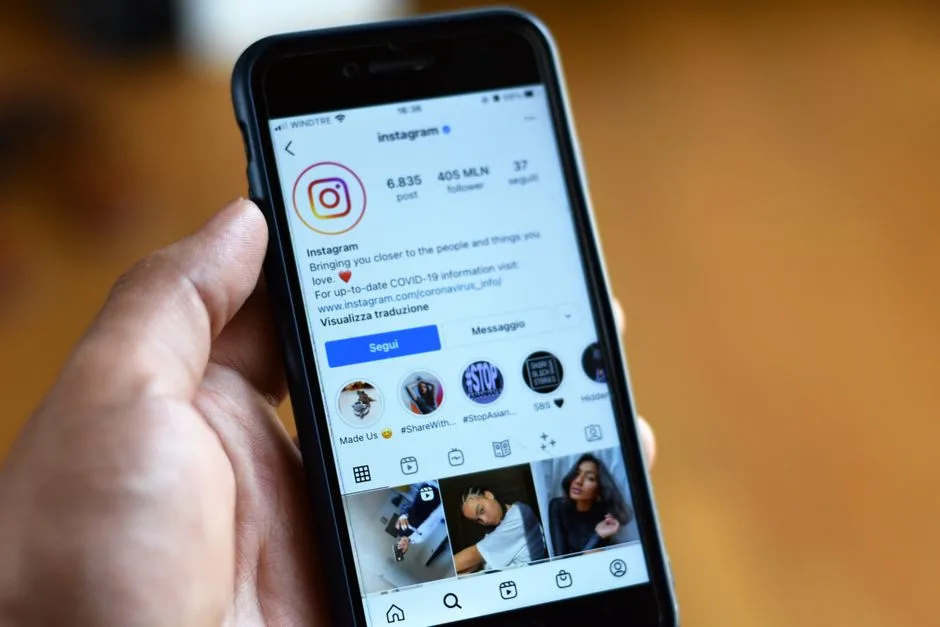
American troops in Jordan are about to have their phones taken away, and the reason is as grim as it is avoidable: Iran has been watching their social media posts to figure out whether its missiles are hitting the right targets. One piece of footage, shot on a soldier's Meta smart glasses during a July 17 attack, reportedly showed troops running for cover and where they evacuated to. Three people died in that attack. Iran now knows more about how well it did than it should.
What CENTCOM Actually Said
Reuters obtained an internal message from U.S. Central Command chief Admiral Brad Cooper warning that Iran is using publicly available footage, news reports, and social media posts to conduct what amounts to a real-time battle damage assessment after its drone and missile strikes. Fox News confirmed the message exists and that Cooper sent it, though CENTCOM declined to release it publicly.
The message is direct about the stakes. "The direct, unavoidable cost of this open-source intelligence could be measured in the lives of American service members," Cooper wrote. That is a four-star admiral telling his people that their Instagram posts are helping Iran kill them.
Two sources told Reuters that troops in Jordan have specifically been told their phones will be confiscated within days. A third source said broader restrictions across the region were under consideration but not yet decided. CENTCOM, for its part, told Fox News Digital it does not discuss force-protection tactics for operational security reasons, which is a perfectly sensible policy that does nothing to contradict any of this.
The Smart Glasses Footage That Made This Personal
Here is the specific detail that should make your stomach drop. During the July 17 Iranian attack on Muwaffaq Salti Air Base, a service member was wearing Meta smart glasses. That footage, captured automatically and apparently posted or shared online, showed troops running for shelter and where that individual ended up taking cover.
Three Americans died in that attack: Pvt. Isabella Gonzales, 1st Lt. Tyler Feehan, and Sgt. Angel Rampersad. Cooper's message reportedly cited that specific footage as exactly the kind of material Iran can use to calibrate follow-up strikes.
Without social media and publicly available footage, Cooper explained, Iran would have significant difficulty knowing whether its weapons missed entirely, hit an empty stretch of desert, or struck a populated facility. Every soldier who posts, shares, or even appears in the background of someone else's footage is potentially handing Tehran a free target assessment.
This Is Not Even the First Phone Warning
What makes this particularly infuriating is that the Pentagon has already been through one version of this fight in recent months. Back in June, Fox News Digital reported a separate but related warning: that adversaries were buying commercially available location data generated by smartphones, apps, and advertising networks to track troop movements and identify military installations.
CENTCOM told lawmakers it had received "multiple threat reports concerning adversary exploitation of commercial location data to target or surveil U.S. personnel in theater." A bipartisan group led by Sen. Ron Wyden, Democrat of Oregon, and Rep. Pat Harrigan, Republican of North Carolina, accused the Pentagon of dragging its feet on basic precautions. They pushed the Defense Department to disable advertising identifiers on government-issued phones and to tell personnel to do the same on personal devices.
So to recap the timeline: the Pentagon was warned about commercial location data in June, took heat from Congress for not acting fast enough, and is now dealing with the separate but equally predictable problem of troops voluntarily broadcasting their locations and shelter positions on social media during an active conflict. Two different problems, same underlying theme.
The Impossible Tradeoff Commanders Are Staring Down
To be clear about what phone confiscation actually means for the people stationed over there: it means no contact with their families during a war. Cellphones have become the primary lifeline between deployed troops and the people waiting for them at home. Taking those phones away is not a minor inconvenience. It is a significant psychological cost that commanders are being asked to impose on young people who are already in a combat zone watching their colleagues get killed.
Cellphone policies vary enormously across the military right now. Phones are already banned during sensitive missions and inside classified spaces. Sailors aboard ships often lack basic cell service anyway. But troops at established overseas bases have generally kept access to their personal devices, and those rules have not historically been enforced with the kind of urgency a shooting war demands.
That gap between peacetime norms and active-conflict reality is exactly what Iran appears to be exploiting. The question commanders are wrestling with is whether the morale cost of cutting off communication is worth the security gain. Given that people have already died in part because of what ended up online, that calculus seems like it should not be especially difficult.
What Iran Is Actually Doing With This
According to Cooper's message as described by Reuters, the process is not particularly sophisticated, which is the whole point. Iran does not need to hack anything or intercept encrypted military communications. It can open a browser, search social media and news sites for footage from the strike zone, and figure out from the reactions and imagery whether its weapons landed where intended.
That is called open-source intelligence, and it is devastatingly cheap and effective. Justin Sherman, CEO of research firm Global Cyber Strategies, previously told Fox News Digital that foreign adversaries have multiple commercial pathways to sensitive information about U.S. personnel overseas. "The sale of location data, in particular on Americans' devices, puts military personnel at risk," Sherman said, describing it as "a serious national security threat."
Iran does not need to be the NSA. It just needs a Wi-Fi connection and a few hours after each strike to scroll through what American soldiers and journalists posted.
The Dingo Take
Three Americans are dead, and part of what helped Iran understand how well its attack went was footage shot on a pair of Meta smart glasses and made available online. Let that sit for a second. Consumer tech marketed for hands-free convenience is now contributing to real-time enemy battle damage assessments in an active Middle East conflict. We live in a world that is deeply, irreversibly stupid in ways that get people killed.
The military's problem here is not that soldiers are bad people or even careless ones. It is that they are humans in a terrifying situation who want to tell their families they are alive, and the infrastructure of modern communication makes that almost indistinguishable from broadcasting their position to an enemy. Nobody designed social media with this in mind. Nobody at Meta was thinking about Iranian targeting analysts when they shipped the smart glasses. And yet here we are, confiscating phones from people who are already risking their lives, because the alternative is worse.
Congress was warned about the commercial data problem in June and apparently moved too slowly for it to matter before people died. That should be the headline of a separate, very uncomfortable hearing. The Pentagon cannot keep treating active-conflict security protocols like a policy paper that needs more stakeholder review. Iran is not waiting for the comment period to close.



Comments