The US national intelligence director just told the Secretary of State that Iran's "lethal plotting efforts" against Americans have "reached advanced stages" in the Middle East and other countries. Meanwhile, non-emergency staff at the US embassy in Saudi Arabia have been ordered out, because Houthi missiles have been landing on Saudi airports. This is the sound of a war that was supposed to be over, still going.
It is, by any honest reading, a bad week to be an American diplomat in the Gulf.
A Memo Marked Unclassified, Which Is the Scary Part
The warning comes from Jay Clayton, the US national intelligence director, in a memo sent to Secretary of State Marco Rubio on Friday and seen by the BBC. Clayton wrote that Iran has "substantially increased efforts to target US personnel" in the Middle East and other areas. Then came the line that should keep someone up at night: "The lethal plotting efforts by the Iranians against US citizens have reached advanced stages in both the Middle East and certain other countries."
Pay attention to the format. The memo was marked unclassified. Clayton said he was making every effort to downgrade as much intelligence as possible so Rubio could share it with State Department personnel. That is the intelligence community going out of its way to make sure the people on the ground can actually read the warning.
Intelligence chiefs do not usually stamp things unclassified because they are feeling chatty. They do it when the people who need to know are the people in the line of fire.
Embassy Staff Head for the Exits
The State Department has been adjusting staffing at diplomatic posts across the region. Earlier this week it ordered the departure of non-emergency US embassy staff from Saudi Arabia. A US official told the BBC that the department constantly evaluates the security environment, and that both Houthi attacks and Iranian terror plots targeting US officials are informing decisions on embassies on Restricted Operations Status.
Translate that from diplomat-speak and it reads: we are pulling people out because someone is actively trying to kill them. The phrase "constantly evaluate new information" is doing a lot of work to avoid saying the obvious.
When the government starts thinning out an embassy, it has already decided the risk is real. Nobody evacuates a post over a vibe.
Thirteen Dead at the Riyadh Airport
The order for Saudi Arabia came in response to escalating attacks by Yemen's Iran-backed Houthis over the past month. At least 21 people have been killed in Houthi attacks on Saudi airports since the start of October, according to Saudi authorities.
One missile strike on Riyadh's international airport on 10 October killed 13 people and injured 308 others. That is the deadliest attack in Saudi Arabia in more than a decade. Three hundred and eight injured people at an airport, a place where regular travelers and workers are just trying to get somewhere.
The Houthis say they are retaliating for what they call a Saudi blockade of ports and airports in their territory, plus an air strike on Sanaa airport they blame on the kingdom. A Saudi minister has already vowed a "serious response." So that is a thing to look forward to.
A Ceasefire That Lasted Four Years and Died in July
Yemen has been wrecked by civil war since 2014, when the Houthis ousted the government from Sanaa. The conflict escalated in 2015 when a Saudi-led coalition intervened to restore the government. An informal ceasefire held for four years, which in that region counts as a miracle.
It began to unravel in July, when the Houthis announced a "maritime embargo" against Saudi Arabia and started missile and drone attacks. About 155 civilians have been killed in Yemen since, according to the Houthi-run health ministry. The people paying for all of this are, as usual, the ones who had no vote in any of it.
The War Behind the War
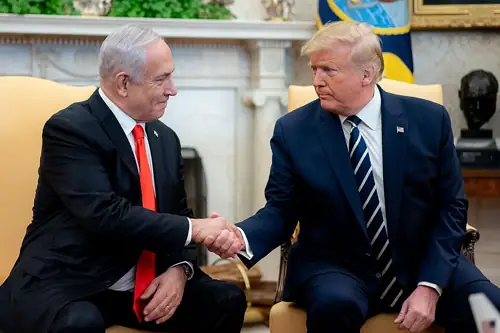
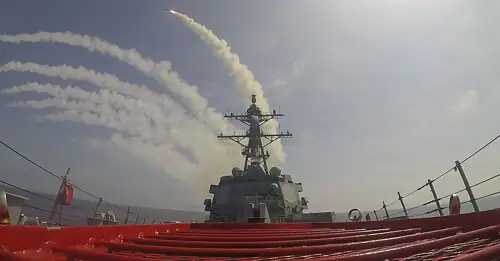
None of this is happening in a vacuum. The US and Israel launched an air campaign against Iran in February that killed its leader. Tehran retaliated with strikes on US allies across the region and effectively closed the Strait of Hormuz, the channel through which around a fifth of the world's oil and gas normally travels.
In June, the US and Iran reached a preliminary agreement to end the war and reopen the strait. It collapsed within weeks. Iranian attacks on shipping resumed, and the US reinstated its blockade.
Oil prices have surged, and the Houthis' maritime embargo against Saudi Arabia is making it worse. So the price at your gas pump now partly depends on a Yemeni militia's grudge against Riyadh and an Iranian regime that has every reason to want revenge.
The Dingo Take
In 1914, Europe had a web of alliances that everyone swore would keep the peace, right up until one bad day proved each of them was a fuse. The Middle East in 2026 looks uncomfortably similar: a collapsed deal, a closed strait, a proxy militia hitting airports, and an intelligence director warning that assassination plots are in their final stages. Every piece of this is connected to every other piece, and nobody seems to be holding the whole board.
Here is what we know. The US and Israel started a war in February that killed Iran's leader. A June deal to stop it fell apart within weeks. Now the people who were supposed to be protected by that deal, including American diplomats, are being told to leave or be careful. The administration that launched this campaign now has to explain why its own spy chief says Americans are being hunted.
We are not saying Iran's plots are the administration's fault. Iran is plotting to kill Americans, and that is on Iran. But somebody should ask, loudly, what the plan was for the morning after the airstrikes, because so far the answer appears to be a collapsed ceasefire, a blockade, and an evacuation order. If that is the strategy, it is not working. And the people who will pay for it are not the ones who made the decision.


Comments