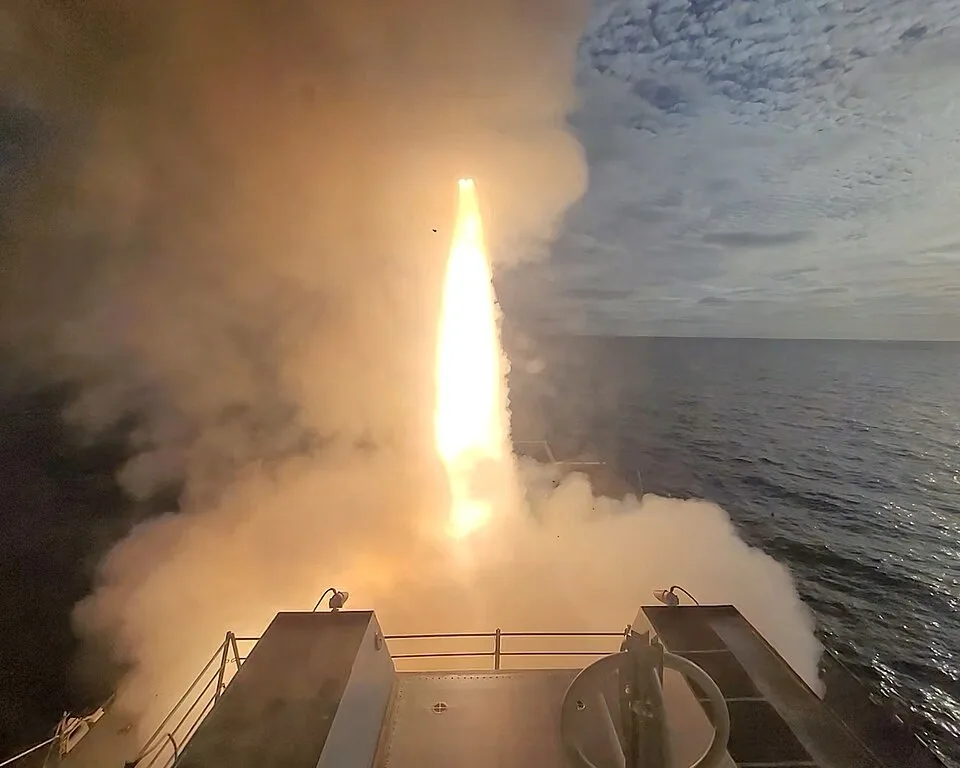
Iran fired ballistic missiles at Jordan on Wednesday. Jordan shot them down. Hours earlier, the United States and Saudi Arabia were bombing militia sites across eastern Iraq. Meanwhile, Iran's Revolutionary Guard claims it stopped three oil tankers in the Strait of Hormuz, the narrow chokepoint through which 20% of the world's traded oil normally flows. The brief pause in fighting is over, and the Middle East is having an extremely bad week.
What Actually Just Happened, In Order
Jordan's military announced early Wednesday that it intercepted and destroyed five ballistic missiles fired from Iran. Iran's Revolutionary Guard confirmed it, saying its Aerospace Force targeted the Muwaffaq Salti Air Base and, remarkably, the headquarters of U.S. Central Command in Jordan. Both are still standing. The missiles are not.
Before that, U.S. Central Command announced its forces had already knocked down an Iranian missile barrage targeting American troops elsewhere in the region. So in the span of a single overnight news cycle, Iran fired missiles at American forces, fired missiles at Jordan, and claims to have also attacked three oil tankers in the Strait of Hormuz. That is a packed schedule even by the standards of a region that has been at it for several weeks now.
The Associated Press, via NPR, reports that the United States and Iran had actually just finished a roughly three-day stretch of quiet, during which neither side announced new strikes. That pause is now definitively over.
The Iraq Strikes Nobody Asked the Iraqi Government About
While the missiles were flying at Jordan, U.S. and Saudi fighter aircraft were hitting targets in eastern Iraq. U.S. Central Command described the strikes as hitting "multiple terrorist logistics and weapons sites" and said they were a "strong response to over 30 IRGC-directed aerial drone attacks in the last 72 hours." The IRGC, for anyone keeping score, is Iran's paramilitary Revolutionary Guard.
The Popular Mobilization Forces, the coalition of primarily Shiite, Iran-backed armed groups officially folded into the Iraqi military since 2016, said at least 20 of its fighters were killed and 32 more were wounded in those overnight strikes. Iraqi Prime Minister Ali al-Zaidi called an emergency meeting of the National Security Council Wednesday morning to discuss being bombed by two foreign countries without much notice.
The Iraqi military's official position is that Iraq is committed to preventing its territory from being used as a launching point for attacks on other countries. The militias operating inside Iraq's borders have a different view of this commitment. Some of the groups making up the PMF have been launching drone attacks on Saudi energy infrastructure, though the militias themselves deny it and have tried to pin the attacks on the Houthis in Yemen.
The Strait of Hormuz Is Having a Very Bad Month
Iran's state-run IRNA news agency reported Wednesday that the Revolutionary Guard's Navy struck and stopped three oil tankers in the Strait of Hormuz, claiming the vessels ignored warnings and continued sailing an "unsafe and illegal route." The report did not name the tankers or identify what flags they were sailing under. There was no immediate independent confirmation.
This matters an enormous amount. The Strait of Hormuz is the narrow chokepoint through which 20% of the world's traded oil normally flows, according to the Associated Press. Normally. Right now it is a contested waterway where Iran is claiming the right to stop and strike commercial tankers. The United Kingdom Maritime Trade Operations Center separately confirmed late Tuesday that a tanker in the southern Red Sea reported hearing explosions while transiting the area, though it said the crew and vessel were safe.
The Houthis in Yemen are running their own parallel operation. They claimed Tuesday to have fired missiles at the Saudi oil tanker NCC Ghazal in the Red Sea, forcing it to turn back, as part of their announced blockade of Saudi shipping. So you now have Iran hitting tankers in the Strait of Hormuz and Houthis hitting tankers in the Red Sea. The two major shipping corridors out of the Persian Gulf are both under active threat.
Four Dead Troops and a Congress That Is Already Sick of This
Zoom out for a second and consider what the Trump administration is managing right now. Four U.S. troops have died during the fighting. The Pentagon has gone to Congress asking for money to cover the conflict's growing costs. Congress, according to NPR's reporting via the Associated Press, is increasingly skeptical.
The Saudi Defense Ministry posted on social media Wednesday that the Kingdom "does not seek escalation but will respond to any aggression it faces." That is the diplomatic version of saying we are absolutely going to keep bombing people, just so you know we feel bad about it. The U.S. Central Command statement was considerably less diplomatic, warning Iran's Revolutionary Guard and its proxies to "cease these attacks to avoid further U.S. military response."
That warning was issued roughly twelve hours before Iran fired five ballistic missiles at Jordan. Draw your own conclusions about how seriously it was received.
The Dingo Take
Five Iranian ballistic missiles aimed at the headquarters of U.S. Central Command in Jordan. Read that sentence again. Iran targeted the nerve center of America's entire Middle Eastern military operation with ballistic missiles on a Wednesday morning, and by afternoon it was already the third or fourth most alarming thing that had happened in the previous twelve hours. That is where we are.
The collapse of even a three-day pause in fighting should terrify anyone who has been watching this escalation. Weeks of strikes. Four dead American troops. The Pentagon going hat in hand to a skeptical Congress. Two of the world's most critical oil shipping lanes under simultaneous attack. And an administration that came into office promising it would be tougher and smarter about the Middle East than its predecessors, currently watching Iran fire at American bases and U.S. fighter jets conduct strikes inside a country whose government found out about it at an emergency meeting the next morning.
Saudi Arabia's social media post about not seeking escalation while actively striking militia sites in a neighboring sovereign nation is the geopolitical equivalent of punching someone in the face and then saying you are a peaceful person. Everyone in this conflict is telling a version of that story right now. The oil markets, the tanker crews in the Strait of Hormuz, and the four American families who got the worst phone call imaginable this month are the ones living with the consequences of it.


Comments