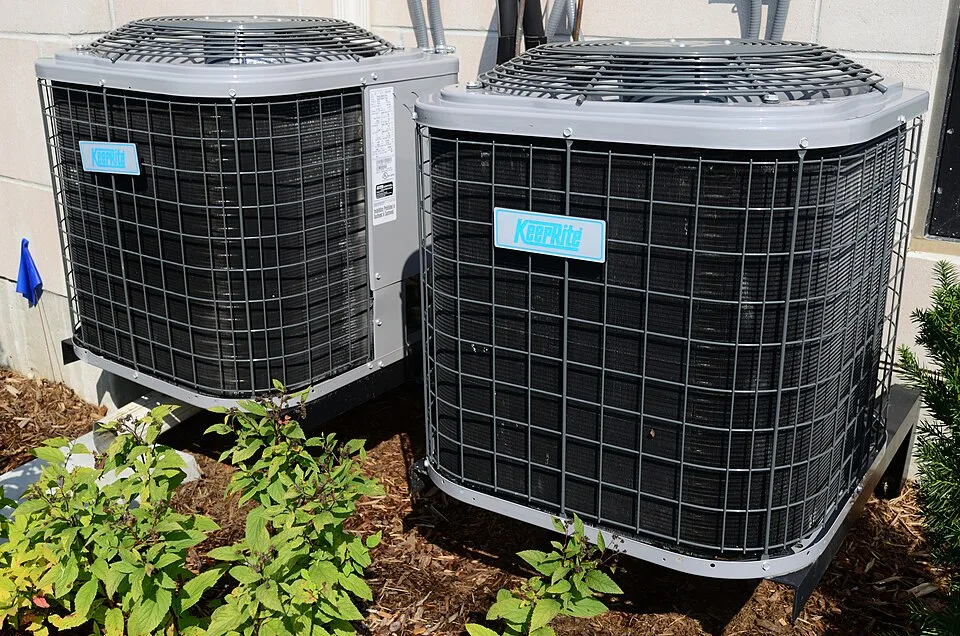
It is the hottest summer on record, your air conditioner just died, a guy showed up and charged you four hundred dollars, and your house is still a sauna. Congratulations: you may have just paid full price for half a repair. With extreme heat waves hammering large portions of the country and HVAC companies booked solid, CBS News reports that homeowners desperate for relief are increasingly getting burned twice, once by the weather and once by the bill.
The Heat Is Relentless and So Is the Desperation
Multiple stretches of record-breaking heat have pushed air conditioning systems across the country past their limits this summer, according to CBS News. Systems that were already straining are now breaking down in waves, and repair companies are running packed schedules trying to keep up with the demand.
That combination of misery and urgency is a perfect storm for getting ripped off, or at least underserved. When your house is 92 degrees and your kid is melting into the couch, you are not exactly in the headspace to carefully vet a contractor's licensing credentials and read their Yelp reviews from 2019. You want someone, anyone, to fix it now, and you want to pay as little as possible.
That instinct is completely human. It is also exactly how you end up scheduling a second repair call three weeks later.
How to Tell If the Repair Actually Worked
Here is the most basic test, according to CBS News: your system should reach the temperature you set on the thermostat without running nonstop or cycling on and off every few minutes. If certain rooms stay warm, the airflow feels weaker than it used to, or the unit just keeps grinding away without actually cooling anything down, the technician treated a symptom and left the disease.
Pay attention to new sounds and smells after the repair, too. Rattling, buzzing, grinding, or squealing is not your house "settling." Burning smells, musty odors, water pooling around the indoor unit, or ice forming on the refrigerant lines are all signs that something is still wrong. These are not minor inconveniences to monitor over time. Left alone, CBS News warns, a small unresolved problem has a reliable habit of becoming an expensive one.
And watch your electricity bill. This one catches people off guard. An HVAC system that is technically running but not operating efficiently has to work longer to produce the same cooling. If your usage habits have not changed but your utility costs jump after the repair, that is the system telling you something the technician did not.
What a Legitimate Repair Actually Looks Like
A reputable HVAC professional should be able to explain, in plain language, what failed, why it failed, and exactly what was replaced or repaired. CBS News is direct about this: you should receive an itemized invoice covering labor, parts, and any recommended follow-up work. If the technician is vague about what they actually did, or you cannot get a straight answer about what was wrong, that is a problem.
Quality companies also stand behind their work with warranties, both on labor and on replacement parts. Before you approve any repair, ask what warranties apply and get it in writing. A contractor who balks at that request is telling you something important about how confident they are in their own work.
The Cheapest Quote Is Not Always the Best Deal
This is the part of the story nobody wants to hear when they are sweating through their shirt in their own kitchen. CBS News is clear: the best way to save money on HVAC repairs is not picking the lowest estimate. It is making sure the repair is done correctly the first time, because paying for the same problem twice costs more than paying for a competent technician once.
For anything major, especially work involving a compressor or evaporator coil, CBS News recommends getting a second opinion. If two contractors independently identify the same problem, you can have some confidence the diagnosis is real. If they disagree wildly, one of them is either wrong or recommending work you do not need.
Verify licensing and insurance before anyone touches your system. Read recent reviews with an eye for patterns, not just star ratings. Specifically look for complaints about repeat breakdowns, vague explanations, or technicians who fix one thing and leave two new problems behind. And keep records of every service visit, invoice, and warranty document. If things go sideways, that paper trail is how you make warranty claims or build a case for disputing a charge.
This Is a Consumer Problem With a Climate Change Wrapper
The HVAC industry has always had its share of contractors who do adequate work, some who do excellent work, and some who do the minimum required to collect a check. What is different this summer is the pressure. Record heat means record demand, packed schedules, and homeowners so desperate they will hand money to whoever shows up first.
CBS News frames this as a caution about cheap repairs, and that framing is fair. But the bigger picture is that this is what life looks like when climate change converts "really hot summer" from an occasional inconvenience into an annual infrastructure stress test. Air conditioning is no longer optional for a lot of people. It is a medical necessity. And the market for fixing it is not set up to serve desperate people well.
The Dingo Take
You are supposed to believe that the free market efficiently allocates services to consumers who need them. What is actually happening is that during a record heat emergency, the people most desperate for a working air conditioner are the people most likely to get a rushed, incomplete repair from an overbooked contractor, pay for it in full, and then slowly realize over the next month that the problem is still there. The system is working exactly as designed, just not for you.
None of this is a surprise if you have been paying attention to how heat waves are now operating in America. We are not talking about uncomfortable summers anymore. We are talking about conditions that hospitalize people, that kill the elderly and the sick, that make certain homes genuinely unlivable without functional cooling. Against that backdrop, "tips for evaluating your HVAC repair" lands somewhere between useful consumer advice and a very polite way of describing a crisis.
Get a second opinion on big repairs. Demand itemized invoices. Verify licensing. These are real, actionable things that will save you money. Do all of them. And while you're at it, maybe notice that we have now reached the point where millions of Americans are rationing AC repairs the same way they ration prescriptions, trying to find the cheapest option fast enough that the heat does not get them first. That is the story underneath this story, and it is not a comfortable one.


Comments