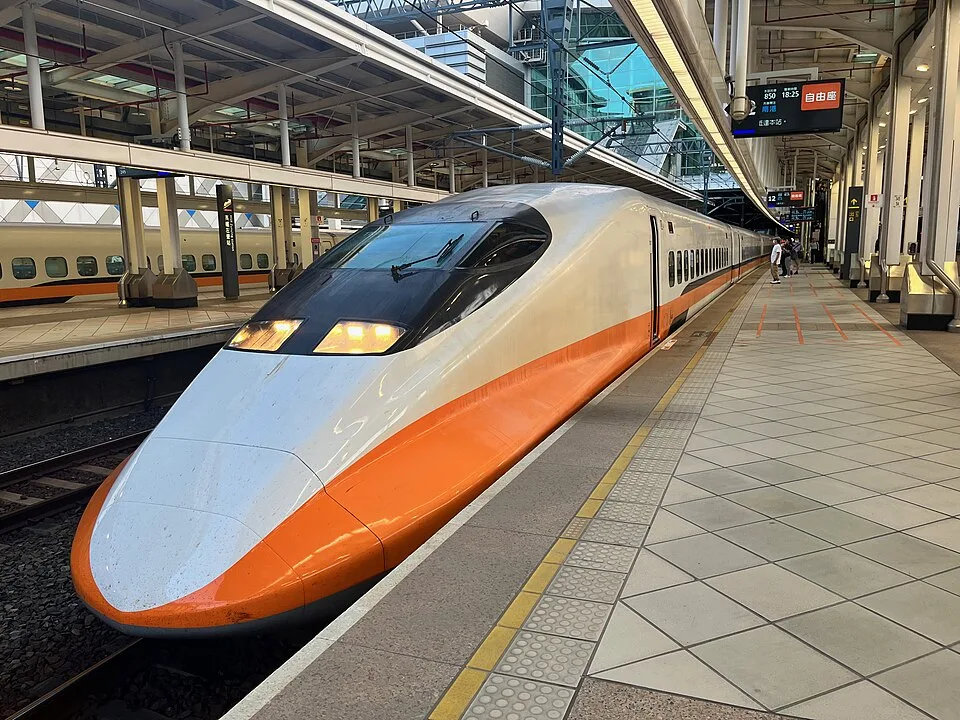
California has spent $15 billion and 16 years on a high-speed rail project and has not laid a single inch of high-speed rail track, cannot say when it will buy any trains, and its governor stood in front of the legislature and lied about it anyway. A CBS News investigation pieced together the full story of how California's High-Speed Rail Authority quietly blew every deadline it ever set, dropped a lawsuit it had been loudly trumpeting, and then just... kept going as if none of it happened.
The Project That Voters Approved Is Not The Project Being Built
Here's the pitch California voters bought in 2008: electric trains hitting 220 mph, San Francisco to Los Angeles in under three hours. It was a genuinely exciting idea. Americans love complaining about their infrastructure and then voting against fixing it, but Californians actually said yes.
What's being built now, according to CBS News, is a 171-mile stretch of track between Merced and Bakersfield. Not San Francisco. Not Los Angeles. Merced and Bakersfield. The Central Valley segment was chosen because it was supposed to be the easy part, no tunnels required. The current plan would cut the existing three-hour Merced-to-Bakersfield train ride down to about 90 minutes. That is the project. That is what $15 billion has purchased so far.
The original ride between San Francisco and Los Angeles, the one voters were promised, currently takes between 10.5 and 12 hours by train. So California has spent sixteen years and fifteen billion dollars to maybe, eventually, shave some time off a Central Valley commute that most Californians will never take.
Missing Deadlines Became A Lifestyle Choice
The federal grant agreement, signed during the Biden administration, required California to execute a contract to actually purchase trains by December 31, 2024. California missed it. The CBS News investigation found the authority never publicly explained why, and when asked directly, pointed reporters to public records that don't mention the delay at all.
When the Trump administration moved to pull $4 billion in federal funding in July 2025, Transportation Secretary Sean Duffy cited the missed deadline directly. Federal officials concluded there was, in their words, "no viable path" to completing the project on time, and that California had promised to connect "major metropolitan cities" but could now deliver only a system that "may connect two random endpoints." That last quote is pretty savage, and also, not wrong.
Governor Newsom called the funding pull a "political stunt to punish California." Attorney General Rob Bonta sued the federal government. There were press releases. There was outrage. There was the full performance of a California Democrat fighting the good fight against the MAGA machine.
Then California blew another deadline and things got complicated.
The Court Promise, The Blown Deadline, The Silent Retreat
In sworn court filings, the High-Speed Rail Authority told a federal judge it would execute a train contract by December 1, 2025. Not a vague promise in a press release. A sworn statement to a federal court, with the explicit argument that meeting this deadline would prove the project was on track and that California deserved its federal funding back.
The authority then canceled the board meeting where the contract was supposed to be approved. According to CBS News, multiple sources familiar with both the procurement process and the litigation said this killed California's legal argument in the most self-inflicted way possible. The state had walked into court, promised a judge it would meet a specific deadline, missed it, and in doing so handed the Trump administration exactly the evidence it needed.
Two days before Christmas, with no press release and no public statement, California quietly dismissed the lawsuit. The only record of it was a single reference buried in grant documents posted on the authority's website. No explanation for the missed deadline. No explanation for dropping the case. Nothing. The loudest infrastructure fight in California politics just vanished on December 23rd like a passive-aggressive office resignation.
Newsom Said They Were 'Laying The Tracks.' They Were Not Laying The Tracks.
In January 2026, at his final State of the State address, Gavin Newsom told the California legislature that the state was "finally laying the tracks of the nation's first high-speed rail system." The crowd presumably responded with appropriate enthusiasm. It was a good line.
It was not true. What California had built, as CBS News found, was a railhead. That is a logistics depot where rail materials can be received and stored before crews eventually install them somewhere else. The state's own milestone announcement described the facility as something that "allows California to begin receiving and staging materials needed" to install high-speed rail track. That is a warehouse for future train stuff. It is not train tracks.
"There's been a railyard created that has track on it, but it is not high-speed rail track," High-Speed Rail Inspector General Ben Belnap told CBS News flatly. "High-speed rail track, as it's defined, has not been laid yet." The Inspector General of the project, the person whose entire job is to assess whether the project is progressing, confirmed on the record that the governor's statement to the legislature was false. Newsom has not addressed it.
As Of Right Now, Nobody Knows When The Trains Will Arrive
Six months after Newsom's speech, as of June 2026, California had still not started laying high-speed rail track. The authority's spokesperson told CBS News the goal is to "begin laying high-speed rail track by the end of the year." The operative word being begin.
In June, the authority approved a construction team for the track and released its 2026 business plan, which continues to project passenger service by 2033. The business plan does not disclose the current status of the train procurement contract. The contract to actually buy the trains. The thing that has been the center of every missed deadline and every federal dispute for over a year. Just not in the plan.
When asked directly when the train contract would be awarded, the authority's answer, per CBS News, was that the date remains "TBD." To be determined. The original deadline was December 31, 2024. It is now August 2026. Nineteen months later, the answer is still TBD.
The Dingo Take
You are supposed to look at this story and conclude that the real villain is the Trump administration for yanking California's funding for political reasons. And fine, Sean Duffy's track record of finding excuses to punish blue states is real, and the "two random endpoints" line did not come from a place of good-faith infrastructure policy. But the CBS News investigation makes something uncomfortable undeniable: California handed them the weapon. The High-Speed Rail Authority missed a federally mandated deadline, missed a deadline it swore to a federal court it would meet, and then dropped its own lawsuit weeks later without a word of explanation. You cannot lose an argument that badly and then claim you were robbed.
What makes this genuinely enraging, beyond the money, is the lying. Not the bureaucratic delay and the construction setbacks, which are frustrating but at least honest features of megaproject hell. The lying. Newsom standing in front of the California legislature and announcing they were "finally laying the tracks" when no high-speed rail track had been laid. The Inspector General of the project having to go on record with a news outlet to correct the governor's State of the State address. That is not spin. That is looking at your constituents and telling them a thing you know is not true because the real answer is too embarrassing.
Sixteen years. Fifteen billion dollars. No trains ordered, no track laid, no explanation offered, and a 2033 service projection that the authority's own business plan does not bother to defend. At some point the honest headline stops being about Trump versus Newsom and starts being about a state that approved a genuinely transformational infrastructure project, handed it to an authority that could not execute, and then watched its political leadership choose image management over accountability every single time the truth got inconvenient. California's voters deserved better than this. They still do.


Comments