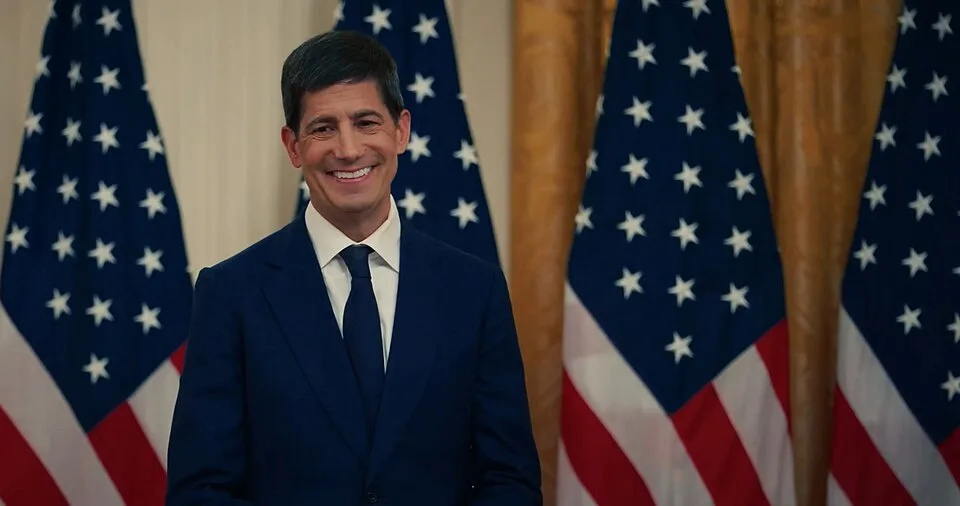
The new head of the Federal Reserve, Kevin Warsh, is apparently looking at the central bank's schedule and thinking: what if we just... met less often? According to the New York Times, Warsh has raised the idea of holding fewer annual meetings to set interest rates, citing four people familiar with the matter. If you're wondering whether giving the Fed fewer routine opportunities to respond to a fast-moving economy sounds like a good idea, congratulations, you have a pulse.
So What Is He Actually Proposing?
Right now the Federal Reserve's policy-setting committee meets eight times a year. That's eight scheduled chances for policymakers to look at incoming economic data and decide whether to raise rates, cut rates, or hold steady. Warsh, according to the New York Times reporting confirmed by Bloomberg, wants to shrink that number. No final figure has been floated publicly, but fewer than eight is the idea.
Axios notes that this would represent the most significant structural change to the monetary policymaking process in decades. Not a tweak. Not a procedural update. The biggest change in decades. That's the framing being used by people who cover this for a living, and it's worth sitting with for a second.
The stated rationale, according to sources familiar with Warsh's thinking, is reducing the procedural burden on Fed staff. Fewer meetings, less prep work, leaner operation. It sounds reasonable until you think about what those meetings actually do, which is give the country's most powerful economic institution more windows to act when things go sideways.
Why the Timing of This Matters Enormously
We are not living through a boring economic moment. Tariffs are reshaping global trade. Inflation has spent the last few years making everyone miserable. The labor market keeps doing things that confuse even seasoned economists. The Fed's whole job is to watch that chaos in real time and adjust accordingly. Fewer meetings means fewer on-ramps.
Here is a comparison that might help. Imagine you're driving a car through unpredictable terrain and someone suggests you should have fewer opportunities to steer. The car still moves. Things still happen on the road. You just get fewer chances to respond before you're already in the ditch.
The Fed does have emergency tools. It can call special unscheduled meetings and act between its regular sessions if something blows up badly enough. But those emergency moves send their own signals to markets, often loud and alarming ones. The routine meeting calendar exists precisely so that adjustments can happen in an orderly, expected, non-panic-inducing way.
Who Is Kevin Warsh and Why Is He Running the Fed?
Kevin Warsh is a former Fed governor who has been openly skeptical of the central bank's institutional culture and the academic consensus that has largely guided its decisions. Donald Trump nominated him to replace Jerome Powell, whom Trump had spent years publicly berating for not cutting interest rates fast enough to suit him. Warsh was confirmed and took the chair earlier this year.
Warsh is not without credentials. He has defenders who argue he brings a needed outside perspective to an institution that can calcify. But he also comes in as a political appointee of a president who has made no secret of wanting cheaper money and a Fed that moves in his preferred direction. Whether Warsh is genuinely trying to modernize the Fed's operations or simply making it more pliable is a question a lot of economists are quietly asking right now.
The fewer-meetings idea lands in that context whether Warsh intends it to or not. Fewer scheduled meetings means fewer moments where an independent Fed can publicly signal disagreement with White House economic policy by holding rates where the president doesn't want them. That may be entirely coincidental. It may not be.
What Economists and Market Watchers Are Saying
The reaction among economists has not been warm. The concern, expressed across multiple outlets covering this story, is straightforward: monetary policy works best when it is predictable, data-driven, and responsive. A trimmed calendar cuts responsiveness by design.
Bloomberg's reporting on the same story noted that markets and analysts were already parsing what a structural change like this would mean for how the Fed communicates with financial markets. Eight meetings a year already feel sparse to some observers when the economy moves as fast as it has in the post-pandemic period. The idea of going below that number is not landing as an obvious improvement.
There's also a transparency question. Each meeting comes with a statement, a press conference, and eventually published minutes. Those are the mechanisms by which the public, the markets, and Congress understand what the Fed is doing and why. Fewer meetings means fewer of those accountability checkpoints, whether or not that's the intent.
This Isn't Final. But It's Not Nothing.
To be clear, Warsh has raised this as an idea, not announced it as policy. The New York Times sourced it to four people familiar with the matter, and Bloomberg picked it up after. Nothing is locked in. These things go through processes, they get debated internally, and they can die quietly without ever becoming official.
But ideas floated by the chair of the Federal Reserve do not stay theoretical for long. When the most powerful monetary official in the country starts asking whether the institution should meet less often, the people who staff those meetings, the markets that price in those meetings, and the economists who study those meetings all start adjusting their expectations. The trial balloon has already been launched.
Watch for more formal signals in the coming weeks. If Warsh starts making this case publicly, or if it surfaces in any official Fed communications, it moves from reported possibility to live policy debate very quickly.
The Dingo Take
You are supposed to read this story and think: efficiency reform, sensible streamlining, a new chair putting his stamp on the institution. That is the generous read. Here is the less generous one. The president who appointed Kevin Warsh spent years furious at the Fed for not cutting rates when he wanted. Now his appointee is exploring a change that would give the Fed fewer routine, low-drama opportunities to hold rates where the White House doesn't want them. Is that what's happening here? We don't know. But the question writes itself.
The framing of 'reducing staff burden' is doing a lot of heavy lifting in this story. The Federal Reserve employs hundreds of Ph.D. economists whose entire professional purpose is preparing for these meetings. The idea that eight meetings a year is an unsustainable workload for that apparatus is, let's say, not the most compelling argument ever made. If the real goal is streamlining, there are many things you could streamline at the Fed. The calendar of rate-setting decisions is a strange place to start.
What makes this story worth paying close attention to is not any single thing Warsh is proposing. It's the pattern. Every change to Fed independence, every adjustment to its structure, every personnel move under this administration has gone in the same direction: toward an institution that is quieter, less visible, and less able to publicly pump the brakes on whatever the White House wants. You don't have to believe in a grand conspiracy to notice that the arrow keeps pointing the same way.


Comments