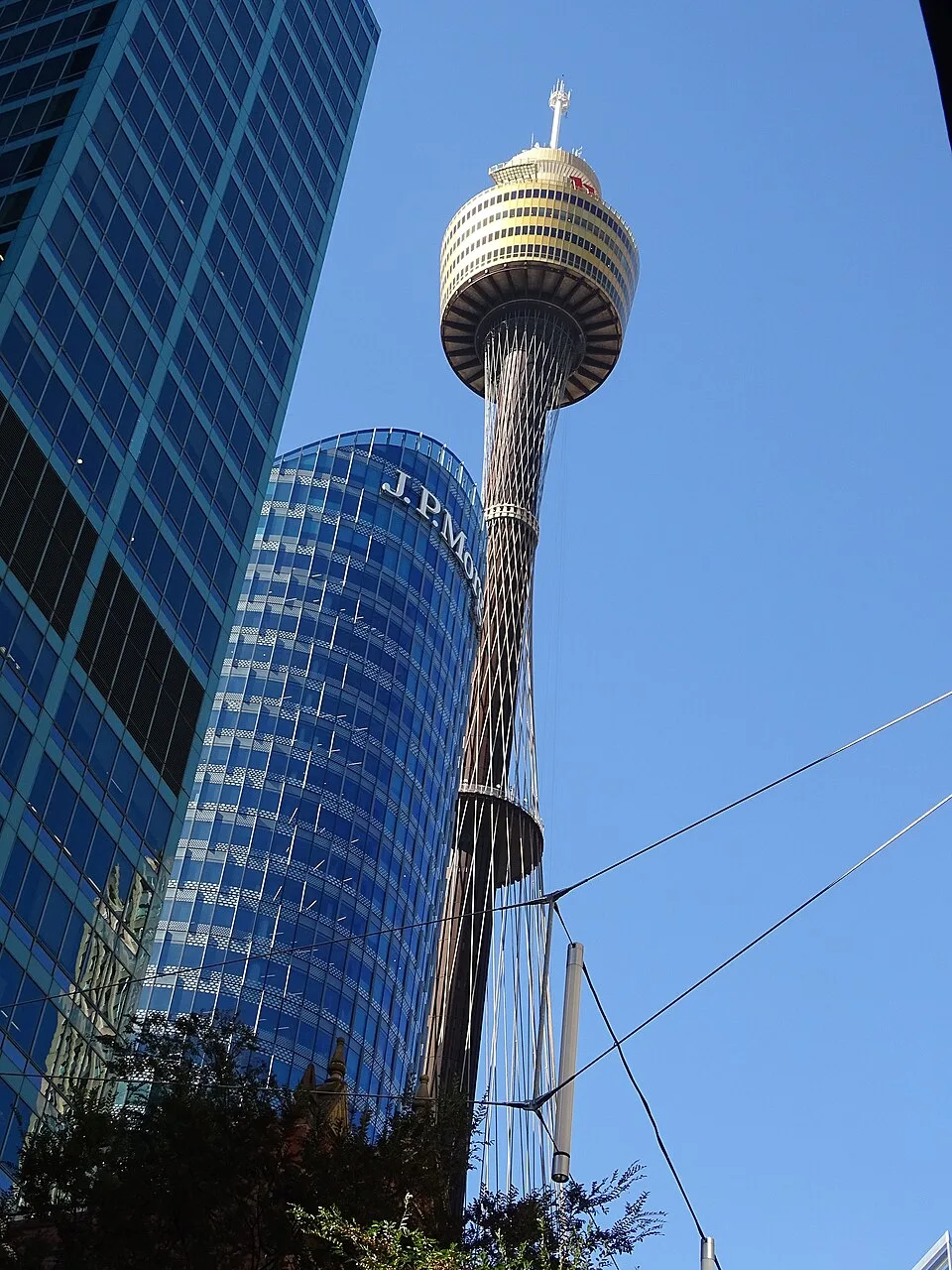
Twelve-plus bankers at three of America's biggest financial institutions spotted Jeffrey Epstein moving suspicious money around as far back as 2002. Most of them did not tell the government. They just kept banking. According to a new report from Senate Democrats on the Finance Committee, this went on for nearly two decades and more than a billion dollars.
What the Report Actually Says
Senate Finance Committee Democrats, led by Oregon Sen. Ron Wyden, released a report Monday detailing what they describe as a years-long, industry-wide failure to flag Epstein's financial activity to federal authorities. The review drew on Treasury reports, internal bank records, and legal filings. The picture it paints is not subtle.
More than a dozen bankers at JPMorgan Chase, Bank of America, and Deutsche Bank were aware of suspicious transactions Epstein was making, the report says. Under the Bank Secrecy Act, that awareness creates a legal obligation: you file a suspicious activity report with the Treasury Department. You do not wait. You do not see how things play out. You report it.
In most cases, the report alleges, they didn't. The banks held onto their concerns, kept Epstein's accounts open, and stayed quiet until he was arrested and charged with sex trafficking in 2019. Some of the underlying transactions had already been reported by The New York Times, The Wall Street Journal, and Bloomberg, but this report pulls the full picture together in one damning document.
A Billion Dollars and Nobody Asked Questions
The report covers thousands of transactions spanning nearly two decades and totaling more than a billion dollars. A billion. That is not a rounding error. That is not a handful of wire transfers that slipped through the cracks.
The report is blunt about what this enabled. "By failing to report, or choosing not to report, his suspicious financial transactions to federal law enforcement, these banks allowed Epstein to send cash payments and wire transfers to his victims, friends, and collaborators around the world," it states. Then, in case the message wasn't clear enough: "The bankers who needed to be asking questions didn't ask them. Jeffrey Epstein's crimes were hiding in plain sight."
Hiding in plain sight. At a billion dollars' worth of suspicious transactions. Across three major financial institutions. Over eighteen years.
JPMorgan Knew It Was Bad Enough to Drop Him. Didn't Tell Anyone for Six More Years.
JPMorgan Chase dropped Epstein as a client in 2013, the report says, specifically because of human trafficking concerns. Read that sentence again. The bank's own internal assessment determined the relationship was tainted by human trafficking and ended it.
Then JPMorgan waited six more years to report suspicious transactions to the government. Six years. The bank finally filed those reports shortly after Epstein's 2019 arrest, when the story was already plastered across every front page in the country and staying quiet was no longer a viable option. JPMorgan did not respond to NPR's request for comment on the report.
For context, Epstein was arrested in July 2019. He was dead by August. The bank's suspicious activity reports, by the timeline in this report, appear to have arrived roughly around the same time Epstein was no longer alive to face consequences.
The Banks' Responses, Ranked by How Much They Actually Said
Deutsche Bank offered the most substantive response, telling NPR that it "regrets its historical connection to Epstein" and that it "takes its legal obligations seriously." The bank said it cooperated with regulatory and law enforcement investigations and has worked to strengthen its internal controls. That's something, even if it's the kind of something that corporate PR departments produce in their sleep.
Bank of America went a different direction. A spokesperson told NPR the bank "did not facilitate wrongdoing" and takes its legal and regulatory obligations seriously. A flat denial of the report's central allegation, delivered with the warmth of a terms-of-service update.
JPMorgan Chase said nothing at all.
What Democrats Are Asking For Now
The Finance Committee Democrats are calling on the Justice Department to investigate why the suspicious activity reports weren't filed in a more timely manner. They're also pushing for tighter reporting requirements going forward so that the same legal gray zone can't swallow the next case like this.
"If federal prosecutors are serious about preventing the next Jeffrey Epstein, they must hold Wall Street accountable," the report states. Whether the Justice Department under the current administration treats that as a serious request or files it under "things we are not doing" remains to be seen. The report is a congressional document, not an indictment. The next move belongs to prosecutors.
The Dingo Take
JPMorgan Chase decided, internally, that Jeffrey Epstein was involved in human trafficking. Then they kept that to themselves for six years. That is not a compliance failure. That is a choice. Someone made it, probably several someones at several levels of a very large and very profitable bank, and nobody blew the whistle, and Epstein kept moving money, and victims kept being victimized, and the reports finally landed on a government desk right around the time the whole thing was already over.
The banks will say they cooperated with investigations. They will say they have strengthened their controls. Deutsche Bank said exactly that to NPR with a straight face, apparently. And sure, great, wonderful, the barn door is now very secure. The horse has been dead for seven years. What the Senate report is really asking, and what nobody has answered yet, is whether any of the people inside these institutions who knew and said nothing will face any consequences whatsoever. The law requires them to report. They didn't report. That's the whole thing.
Epstein had powerful friends, powerful lawyers, and apparently powerful bankers who found it easier to look away than file a form. The report names the institutions. It doesn't name the individual bankers. The Justice Department could change that. The question is whether anyone in a position to act on this report will find it more compelling than inconvenient.



Comments