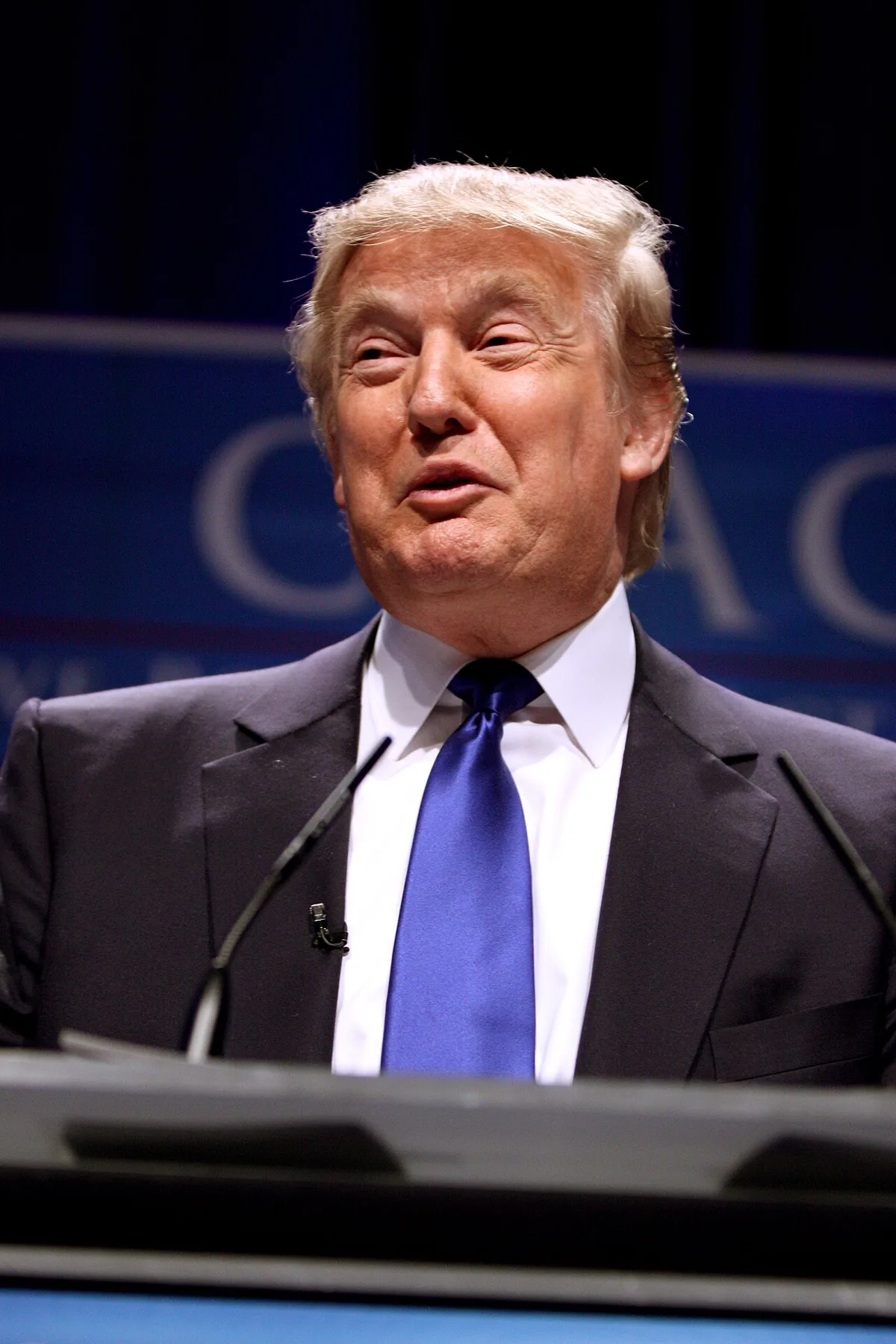
Donald Trump flew to Las Vegas on Wednesday to tell a crowd how great the American economy is doing, which is one way to spend your time when a narrow waterway that carries roughly 20 percent of the world's oil is quietly being negotiated over by Iran and Oman without you in the room. It was a full news day. Nobody was bored.
The Vegas Trip Nobody Asked For
According to NPR's Morning Edition, Trump used a Las Vegas appearance to tout the U.S. economy, which is the political equivalent of showing up to a potluck and loudly announcing how good your dish is before anyone has tasted it. Vegas was a choice. A deliberate, stagey, very on-brand choice.
The optics of a sitting president stumping about economic strength in a city built on the premise that most people will leave with less money than they arrived with are, let's say, rich. Las Vegas runs on the dream that things are about to get better. So does Trump's economic messaging. The house, as ever, keeps the edge.
To be fair, some economic indicators have looked decent on paper recently. But "decent on paper" is doing a lot of heavy lifting when working-class Americans are still getting squeezed by grocery bills and housing costs that didn't get the memo about the recovery. Trump touting the economy from a Vegas stage is a performance, not a press briefing. The distinction matters.
Iran and Oman Are Quietly Doing Diplomacy, With or Without Washington
Here is the story that probably deserves more oxygen than the Vegas rally. NPR is reporting that Iran says it is close to a deal with Oman over navigation on the Strait of Hormuz. For anyone who skipped geography, the Strait of Hormuz is the narrow chokepoint between the Persian Gulf and the Gulf of Oman through which an enormous share of the world's oil supply passes every single day. It is, without exaggeration, one of the most strategically sensitive waterways on the planet.
Iran has long held the implicit threat of closing or disrupting the strait as a geopolitical card. The fact that Oman, which has historically played quiet mediator between Iran and the West, is now brokering a navigation agreement is significant. Oman does not make noise. When Oman moves, something is actually happening.
What a deal like this would mean in practice depends entirely on the details, which are not yet public. But the broad implication is that Iran wants some form of recognized authority or framework over strait traffic, and Oman is willing to help structure that. Whether that cuts Washington in or cuts Washington out is the question nobody is answering yet. Given the current state of U.S. diplomacy, "cuts Washington out" is a non-trivial possibility.
Michigan's Senate Race Is Already a Mess and It Hasn't Started Yet
NPR also took a look Wednesday at the Michigan U.S. Senate race and the specific challenges facing both candidates vying for the seat. Michigan is one of those states that political strategists treat like a Rubik's cube: diverse enough that no single coalition wins it cleanly, industrial enough that economic messaging still cuts through, and stubborn enough that it will surprise you just when you think you have it figured out.
The details of which candidates are running and what their specific vulnerabilities are deserve a full dedicated breakdown as the race develops. What NPR's framing signals is that neither side is sitting pretty. A competitive Michigan Senate race heading into the next cycle is genuinely important, since Senate control could hinge on a handful of seats just like this one.
Watch this one. Michigan has a habit of being the race that everyone underestimates until suddenly it's the only race anyone is talking about.
Three Stories, One Morning, Zero Coherent National Attention Span
What is notable about this particular Wednesday morning news cycle is how much is happening simultaneously at wildly different scales. You have a president doing retail political theater in a casino city. You have a potential regional diplomatic shift in one of the world's most oil-critical waterways. And you have a Senate race in a bellwether Rust Belt state beginning to take shape.
These stories compete for the same finite pool of public attention. The Vegas rally, by design, generates footage, soundbites, and shareable moments. The Iran-Oman talks generate policy implications that will matter for years. Guess which one trends on social media.
This is not a new problem. But it is a persistent and maddening one. The machinery of political spectacle is very good at crowding out the stories that will actually affect people's lives. A deal over Hormuz navigation could affect gas prices, regional stability, and U.S. strategic positioning in ways that dwarf anything said at a Vegas podium. But one of these stories has lights and a crowd, and the other one doesn't.
The Dingo Take
Trump standing in Las Vegas bragging about the economy while Iran quietly cuts navigation deals with Oman in one of the world's most critical shipping chokepoints is a genuinely perfect image for this political moment. One man, microphone in hand, facing a crowd, talking about how well things are going. Meanwhile, on the other side of the planet, the actual architecture of global energy security is being renegotiated by people who are not holding rallies.
The Iran-Oman development is the story here. It may amount to nothing, or it may be the first formal step toward Iran cementing a recognized role in controlling access to a waterway that the entire industrialized world depends on. Either outcome has consequences. A diplomatic framework that sidelines the United States in the Persian Gulf would represent a significant strategic shift, and it would be happening in the quiet, careful way that Oman specializes in, not with press releases or podium speeches.
Trump will keep doing Vegas. The rallies will keep happening. And somewhere in a meeting room in Muscat, the actual news of the day is being made by people who did not feel the need to rent out a ballroom to announce it.




Comments