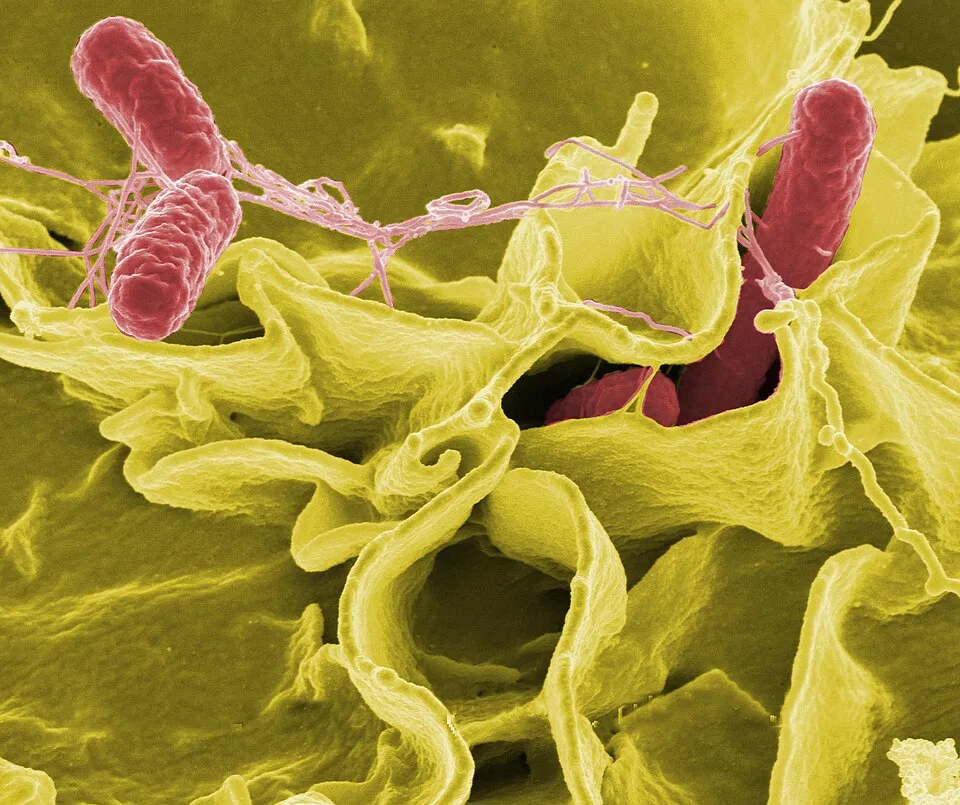
Taylor Farms, a company already enjoying the distinguished honor of being linked to a deadly cyclospora outbreak, is back in the food safety headlines. This time, CBS News reports the agricultural giant is recalling dozens of prepared foods across 26 states after jalapeños supplied to the company tested positive for salmonella. Guacamole, pico de gallo, spicy dips, and even a shrimp salad are on the list, and they've been sitting on shelves at Walmart, Target, Kroger, Trader Joe's, Whole Foods, and more.
Where the Peppers Came From
Here's the chain of blame, because there is always a chain. Taylor Farms didn't grow the jalapeños themselves. They sourced them from Coast Citrus Distributors, which in turn sourced them from a grower in Sinaloa, Mexico. Coast Citrus recalled its fresh jalapeños first, which then triggered Taylor Farms to pull the prepared products it had already made and shipped out to retailers nationwide.
Taylor Farms said in a statement, as CBS News reports, that it has stopped sourcing from the Sinaloa farm entirely and will be filling future orders from alternative suppliers. Great. Useful. Extremely helpful information for anyone who already bought the hot pico de gallo last Tuesday.
What Got Recalled and Where
The recall covers a genuinely impressive spread of products. CBS News has the full breakdown. At Walmart, it's the Freshness Guaranteed Hot and Mild Pico de Gallo, sold in Florida, Illinois, Louisiana, Minnesota, Nebraska, Oklahoma, Wisconsin, and Texas. At Target, it's Taco Dip, Mango Pico de Gallo, Spicy Guacamole, and two Taylor Farms-branded salsas sold in Florida, Ohio, and Texas.
Kroger shoppers in the South and Midwest need to check their fridges for a Private Selection Spicy Roast Beef Sandwich, a Spicy Jarlsberg Dip, and a Spicy Pimento Cheese Dip. Whole Foods locations in Illinois and Texas had six different salsas recalled. Trader Joe's had one item: a Fiesta Style Salad with Shrimp in Texas. Hannaford and Stop & Shop locations in the Northeast round out the list. All told, we're talking about roughly two dozen individual products with "best if used by" dates running through August 16.
If you bought any of these items and haven't eaten them yet, put them down. If you've already eaten them and feel fine, you may be fine. Salmonella symptoms, according to the Mayo Clinic, show up within eight to 72 hours and include diarrhea, fever, and stomach cramps. Most healthy adults recover within a week without treatment, though that week is reportedly not great.
Taylor Farms Says It Doesn't Know About Any Illnesses. That's Not Really the Point.
The company told CBS News it isn't aware of any reported illnesses connected to these specific products. That's worth knowing. It's also worth knowing that salmonella outbreaks often have a significant lag between exposure and the point where someone calls a doctor, gets tested, and has results traced back to a source. The absence of confirmed cases right now is not a clean bill of health.
What triggered the recall was the upstream supplier's decision to pull the jalapeños, not a report of sick customers. That's actually the recall system working more or less as designed. A grower gets flagged, a distributor pulls the ingredient, a food company pulls the finished goods. The problem is that the food was already distributed. To 26 states. At some of the highest-traffic retailers in the country.
Taylor Farms Has Been Here Before
If the name Taylor Farms rings a bell beyond the produce aisle, it might be because CBS News notes this is the same company whose lettuce was linked to a deadly cyclospora outbreak. Cyclospora is a intestinal parasite, and the outbreaks it causes are genuinely dangerous, particularly for older people and anyone immunocompromised.
Taylor Farms is one of the largest fresh-cut produce suppliers in North America. That scale is exactly why these recalls matter so much. When something goes wrong in a supply chain this large, it doesn't affect one restaurant or one grocery store. It affects a Walmart in Minnesota and a Whole Foods in Chicago and a Kroger in Mississippi simultaneously. This is the structural vulnerability that comes with consolidating most of the country's fresh food production into a small number of massive agricultural companies.
The Dingo Take
You are supposed to look at a list like this and feel reassured. The recall system worked! The company acted voluntarily! Nobody has reported getting sick yet! And sure, credit where it's due: pulling two dozen products from six major retail chains is not nothing, and doing it before a pile of confirmed illnesses show up is better than doing it after.
But Taylor Farms has now managed to be the headline company in two separate serious foodborne illness events. Cyclospora in the lettuce. Salmonella in the jalapeños. At some point, the conversation has to move past the specific pathogen and toward the broader question of what happens when this much of America's food supply runs through this few companies. When Taylor Farms sneezes, 26 states reach for the Pepto.
The salmonella here came from a farm in Sinaloa that fed into a California distributor that fed into a national supplier that fed into your Target cart in Ohio. That's a long chain with a lot of places for something to go wrong and very few places where anyone is watching closely enough to catch it before it ships. Check your fridge. Throw out anything on the list. And maybe, just maybe, consider the fact that "we're not aware of any illnesses" is a sentence that sounds a lot better before the lab results come back than after.


Comments