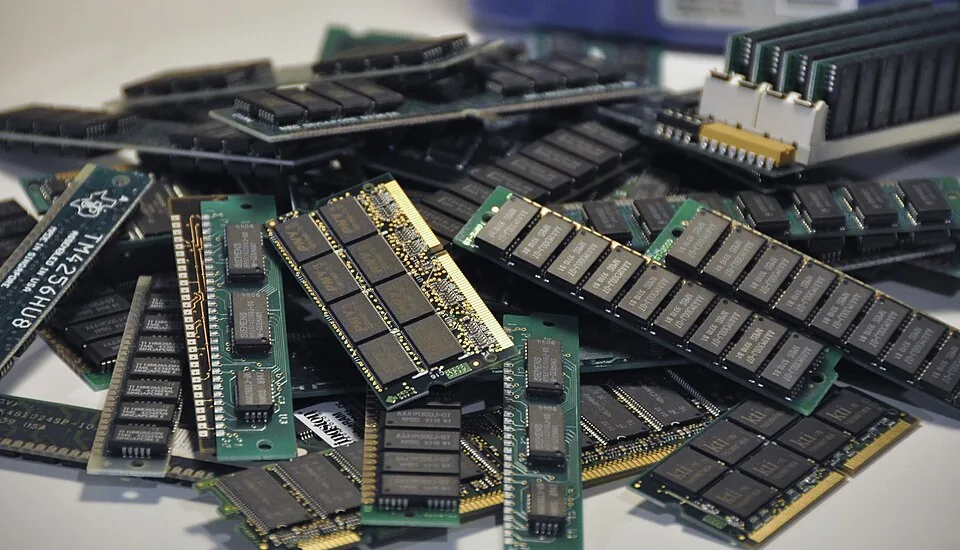
The AI boom has a bill, and you're the one paying it. Memory chip prices are surging at a scale Axios describes as "unprecedented," and the ripple effects are already hitting your phone upgrade, your laptop budget, and the monthly invoice from whatever cloud service is storing your life. The industry even has a cute name for it: chipflation. Adorable.
What Is Actually Happening Here
Demand for memory chips has gone vertical, driven almost entirely by the voracious appetite of AI systems that need to store, process, and move staggering amounts of data. According to Axios, prices are skyrocketing with no end in sight, and the scale of this particular boom is sitting well outside the range of anything we've seen before.
This is not some niche supply chain story for people who read semiconductor trade publications in their spare time. Memory chips are inside everything. Your smartphone. Your laptop. The server farms that run the cloud storage you use to back up photos of your dog. When the price of the underlying component goes haywire, the cost eventually shows up somewhere you will notice it.
The mechanism is straightforward even if the scale is dizzying. AI companies are consuming memory at a rate that existing production cannot keep pace with. More demand, constrained supply, prices go up. Economics 101, except the numbers attached to it are anything but classroom-sized.
Who Gets Hit and How
Axios identifies three places where chipflation is already landing: consumer electronics like smartphones and laptops, cloud storage costs, and hardware in general. Translation: the next time you wince at the price of a new phone, artificial intelligence deserves some of the credit.
Cloud storage is the one that tends to sneak up on people. Most consumers do not think about the physical hardware sitting inside a data center when they pay their iCloud or Google One bill. But those data centers run on memory chips, those chips now cost more, and companies do not typically absorb those costs out of the goodness of their hearts. The pricing adjustments come eventually, quietly, buried in a terms-of-service update you did not read.
Semiconductor stocks, meanwhile, have been going absolutely berserk, and chipflation helps explain why. If you are a memory chip manufacturer right now, life is genuinely great. If you are anyone who buys the products those chips go into, the math runs in the opposite direction.
The Inflation Picture Is Complicated, But Not Comforting
Here is where it gets a little more technical, though stick with it because the nuance matters. Axios notes that the overall effect of chipflation on the government's broader consumer price index may not be massive, because electronics carry less weight in that measure than categories like housing, food, and energy.
So the Federal Reserve is not about to blow up interest rates specifically over the price of RAM. Fine. That is a fair point. But "smaller contribution to the headline inflation number" is doing a lot of work to make this sound like less of a problem than it is for the actual humans buying actual devices in the actual economy.
If your phone contract is up and you were planning to upgrade, the sticker shock is real regardless of what it does or does not do to the CPI. The government's inflation math is designed to capture aggregate trends across the whole economy. It was not designed to make you feel better about your next laptop purchase.
The AI Hunger Problem Has No Obvious Solution
The uncomfortable part of this story is the timeframe. Axios is explicit that there is no end in sight to the price surge. That is not hedged language. That is reporters looking at the trajectory of AI investment and memory chip demand and concluding that the forces driving this are not going away anytime soon.
Building new chip fabrication capacity takes years and costs billions. The companies at the frontier of AI are not slowing down their spending, they are accelerating it. Every major tech firm is racing to build out infrastructure that requires enormous amounts of memory, and they will pay whatever the market demands because falling behind in the AI race is considered an existential threat to their business models.
What that means practically is that consumers and businesses are sitting downstream of a capital war between the largest and most cash-rich companies in human history, and the collateral damage is showing up in the price of things ordinary people buy. That dynamic is not resolving itself in a quarter or two.
The Dingo Take
You are supposed to believe that the AI revolution is happening for you. Better tools, smarter assistants, more efficiency, a future of abundance. And maybe some version of that is true somewhere down the road. But right now, in August 2026, what the AI boom is delivering to most people is more expensive phones, pricier cloud bills, and a semiconductor stock market that rewards investors while charging everyone else a premium for the same devices they were already buying.
The word "chipflation" is doing a lot of heavy lifting to make this sound almost charming, like a minor side effect with a fun name. It is not charming. It is the predictable outcome of allowing a handful of companies to pour unlimited capital into a technology arms race with zero coordination on infrastructure, supply chains, or the downstream effects on consumer prices. Nobody planned for this because nobody was required to plan for this.
The AI companies will tell you the investment is necessary, that the long-term payoff justifies the current disruption, that you will thank them eventually. Maybe. But "eventually" does not help you when you are standing in a store right now trying to figure out why a mid-range laptop costs what a good laptop used to cost. The future is very excited about itself. The present is a different story.


Comments