The good news is that inflation cooled in July. The bad news is that one of the main reasons inflation cooled in July is that a foodborne illness outbreak made people afraid to eat lettuce. According to the Labor Department's report released Wednesday, consumer prices rose 3.4% over the past year, and the heroic drag on that number was, in part, a contaminated salad recall.
The Numbers, Which Are Fine, Sort Of
Consumer prices climbed just 0.1% between June and July, according to the Labor Department. That follows a 0.4% drop between May and June, so taken together, the last two months have been about as calm as inflation has looked in years.
The 12-month headline rate of 3.4% is lower than it was in either May or June. Strip out food and energy, and core inflation came in at 2.5% annually, down from 2.6% the month before. These are real improvements. The Federal Reserve has staked enormous credibility on getting price increases under control, and numbers like these let them exhale slightly.
Market odds of a rate hike at the Fed's September meeting dropped below 40% after Wednesday's report, NPR reports. There's another inflation reading due before policymakers sit down together, so nothing is locked in. But for now, Wall Street is cautiously deciding that maybe the Fed doesn't need to keep squeezing.
Lettuce Explain What Actually Happened Here
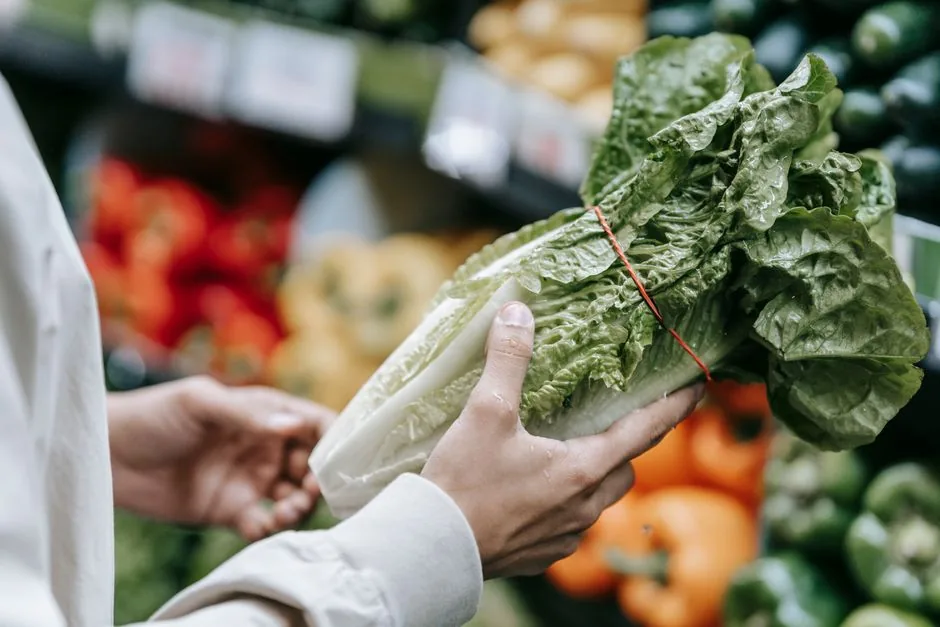
Lettuce prices fell more than 16% in July, according to NPR. Before you celebrate the return of affordable Caesar salads, you should know why: an outbreak of foodborne illness prompted a recall of iceberg lettuce imported from Mexico, and retailers then slashed prices on other lettuce varieties in a frantic attempt to convince terrified consumers that this particular leafy green would not, in fact, kill them.
So the inflation stat that economists will cite in academic papers for the next decade was partially moved by the power of grocery stores desperately whispering, "The romaine is fine, we promise, please." This is the economy working exactly as designed, apparently.
Grocery prices broadly helped pull the overall number down. That's genuinely good for people's wallets. It just comes with the asterisk that some of the relief traces back to a public health scare rather than anything resembling policy success.
Gas Is Still a Dollar More Than It Was Before the War
Gasoline prices also dropped in July, which sounds great until you read the full sentence. The average price of regular gas remains more than a dollar per gallon higher than it was before the war with Iran disrupted tanker traffic through the Strait of Hormuz, according to AAA data cited by NPR.
So yes, gas got a little cheaper last month. It is still dramatically more expensive than it was before a military conflict scrambled global oil shipping. A small retreat from an elevated position is not the same thing as recovery. Anyone filling up their tank right now is still absorbing that cost every single week, and the Federal Reserve's core inflation math, which strips out energy prices entirely, will not make that sting any less real.
The Strait of Hormuz situation is not resolved. Which means this particular pressure point on American household budgets is not going anywhere soon.
Rent and Airfares Went the Wrong Direction
It was not all good news inside the report. Rents and airfares both rose in July, NPR reports, partially offsetting the relief from cheaper gas and groceries. Rent increases are the stubborn, grinding kind of inflation that no lettuce recall is going to fix, because people need somewhere to sleep every single month regardless of what iceberg prices are doing.
Airfares matter less to most households than rent, but their rise is a reminder that services inflation has been a tougher beast to tame than goods inflation throughout this entire post-pandemic cycle. The Fed knows this. Investors know this. And anyone who has tried to book a flight recently definitely knows this.
The Dingo Take
You are supposed to look at a 3.4% inflation rate and feel reassured. And fine, relative to where things were, it is reassuring. Core inflation at 2.5% is close to the Fed's long-term target. Rate hike odds are falling. The central bank might actually be able to stick the landing here without torching the job market to do it. That is a genuinely good outcome if it holds.
But zoom out for one second. Gas is a dollar more per gallon than it was before a war started. Rent keeps climbing. And one of the headline wins in this report is that a food safety crisis scared people away from lettuce long enough for retailers to blow out their inventory at a discount. This is the economic moment we are celebrating. These are the conditions under which Americans are supposed to feel like things are going well.
The Fed will meet in September and probably hold rates steady, and markets will cheer, and the 3.4% number will get cited in press releases. Meanwhile, anyone paying rent in a major city or filling up a gas tank is doing the same math they were doing last month. A cooler CPI report is not nothing. It is just also not the finish line anyone was promised.


Comments