Congress passed a law in 2011 to make it easier to trace contaminated food back to the source before it kills people. Fifteen years later, the law still isn't in effect, the lobbyists are still winning, and more than 30,000 Americans are sick from a parasite that hitched a ride on your Taco Bell salad. This is not a coincidence. This is a policy choice.
The Rule That Was Always Two Years Away
The Food Safety Modernization Act passed in 2011 under Obama and included what food safety experts call the "traceability rule" — a requirement that manufacturers, processors, packers, and retailers keep enhanced records for high-risk foods: leafy greens, soft cheese, eggs, peanut butter, the usual suspects. The whole point was to let the FDA sprint through the supply chain the moment people start getting sick, instead of crawling through paper records faxed between distributors who don't really want to cooperate.
The rule was supposed to take effect in January 2026. It did not. According to The Guardian, lobbying pressure in 2025 pushed the implementation date back to 2028. That's 17 years after the underlying law passed and 18 years after Congress first identified the problem. The rule has been perpetually almost ready, like a contractor who keeps pushing your renovation and you keep paying the holding fee because what choice do you have.
"Congress recognized this issue in 2010 and asked the FDA to develop solutions," Sara Sorscher, a food safety attorney at the Center for Science in the Public Interest, told The Guardian. "We are now 16 years in, and we still don't have enforcement of this rule that's meant to deal with exactly this type of situation."
Thirty Thousand People Later
The timing here is genuinely nauseating. The rule was set to kick in January 2026 — months before this summer's cyclosporiasis outbreak ripped through the midwest. Instead, The Guardian reports more than 24,000 people have officially been sickened and two have died. Bill Marler, a leading food safety attorney representing more than 400 victims of the outbreak, puts the real number closer to 30,000, with 95% of cases concentrated in 15 states connected to Taco Bell and produce supplier Taylor Farms.
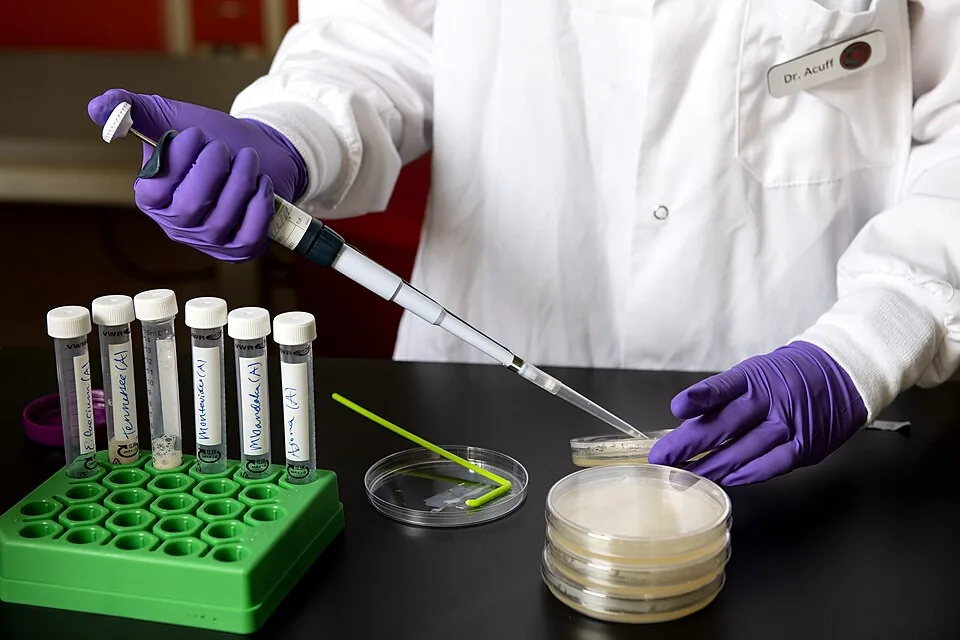
Cyclospora is a single-celled intestinal parasite. It causes explosive diarrhea, fatigue, and weeks of misery. It spreads through contaminated fresh produce. The whole reason the traceability rule exists is to handle situations exactly like this — so that when a parasite starts routing itself through a national fast food chain, investigators can find the contaminated farm in days rather than weeks while the sick list keeps growing.
A group of 11 consumer, public health, and labor advocates sent a letter to Congress this month demanding emergency action to speed up implementation, arguing the outbreak had created, as The Guardian reports, "a crisis in consumer confidence." That phrase is doing a lot of gentle work where "preventable mass poisoning" might be more accurate.
How Food Tracing Actually Works Right Now (Badly)
The current system traces back to the Bioterrorism Act of 2003, which sounds alarming but was actually passed because, as food safety consultant Jennifer McEntire explained to The Guardian, the FDA genuinely had no idea which food facilities even existed in the United States before September 11. The anthrax scare shook loose enough political will to fix that particular hole. Progress.
What that left us with is a system called "one up, one back" — a restaurant knows where it bought something, a distributor knows where it sold something, and that's roughly it. It sounds fine until you remember that a bag of mixed salad greens might contain radicchio, spinach, and three kinds of lettuce sourced from completely different farms, combined at a packing facility, and the data about which greens came from which field gets lost the moment cases are stacked into pallets and loaded onto trucks. David Lennarz, who co-founded the supply chain compliance firm Registrar Corp, told The Guardian plainly: "tracebacks are very, very challenging."
Farmers, for their part, largely want the traceability rule. De Ann Davis of the Western Growers Association told The Guardian that lettuce prices dropped more than 16% in July as consumers panic-pulled lettuce from their shopping carts. Growers have been voluntarily tracking their produce distribution for over a decade. The problem is what happens after the produce leaves their hands — and that's exactly where the current system falls apart.
Who Killed the Rule? Follow the Lobbying.
The food industry association FMI, which represents major retailers, described the traceability rule to The Guardian as "the most complex regulation the food industry has ever faced." Retailers made their concerns known to lawmakers and regulators, lobbying disclosures show. The industry's position, stripped of its euphemisms, is that tracking food is too hard and too expensive and please don't make them do it.
This is the part of the story where you're supposed to weigh competing interests and present both sides with appropriate neutrality. Here's the competing interest: thirty thousand sick people and two dead ones. Here's the other side: it is inconvenient and costly for large food retailers to maintain records that could save lives. These are not equivalent. They are not close to equivalent.
The delay buys the industry two more years of operating under the old system — two more years where a contaminated farm can take weeks to identify, where the sick list can run into the tens of thousands before anyone figures out which field to shut down. That is the concrete, measurable cost of the lobbying that pushed this rule from January 2026 to 2028.
What 2028 Actually Means
Let's do the math. Congress identified this problem in 2010. The law passed in 2011. The traceability rule was drafted, debated, delayed, revised, delayed again, and is now scheduled to take effect in 2028 — which is the same "scheduled to take effect" that was said about January 2026, so feel free to apply whatever confidence interval you think is appropriate.
In the meantime, the FDA keeps doing what it can with the tools it has. "FDA does a pretty darn good job," Lennarz told The Guardian. But "a pretty darn good job" with bad tools still means weeks of outbreak investigation while people keep eating contaminated food because nobody has told them which restaurant or which product to avoid. That gap — between what we have and what the 2011 law promised — is filled with sick people.
Twenty-four thousand confirmed cases. Probably thirty thousand total. Two dead. A law on the shelf since Obama's first term. And the next scheduled implementation date is a year and a half away, assuming nobody decides to lobby it back again.
The Dingo Take
You are supposed to look at this situation and conclude that regulation is complicated, implementation takes time, and these things move slowly in a democracy. That is the charitable read. Here is the uncharitable read, which happens to be accurate: a law that Congress passed in 2011, specifically designed to prevent mass foodborne illness outbreaks, was delayed for a decade and a half through a combination of industry lobbying and bureaucratic drift, and then when an outbreak of exactly the type the law was designed to address hit thirty thousand Americans, the rule still wasn't in effect because lobbyists got it pushed back one more time in 2025. If this were a movie, the studio would reject the script for being too on the nose.
The food retail industry's argument is essentially that tracking where food comes from is too complicated and too expensive. This is the same industry that can tell you within six hours whether your loyalty card discount applied correctly to your yogurt purchase. They have the technology. They have the infrastructure. What they don't have is any legal obligation to use it for food safety, and they have spent fifteen years making sure it stays that way.
Two people are dead. Thirty thousand are sick. The lettuce farmers, who actually want the rule, watched their prices crater 16% in a single month because consumers can't trust the supply chain that the law would have made traceable. The rule won't kick in until 2028 at the earliest, which at this point reads less like a regulatory timeline and more like a dare. Eat up.



Comments