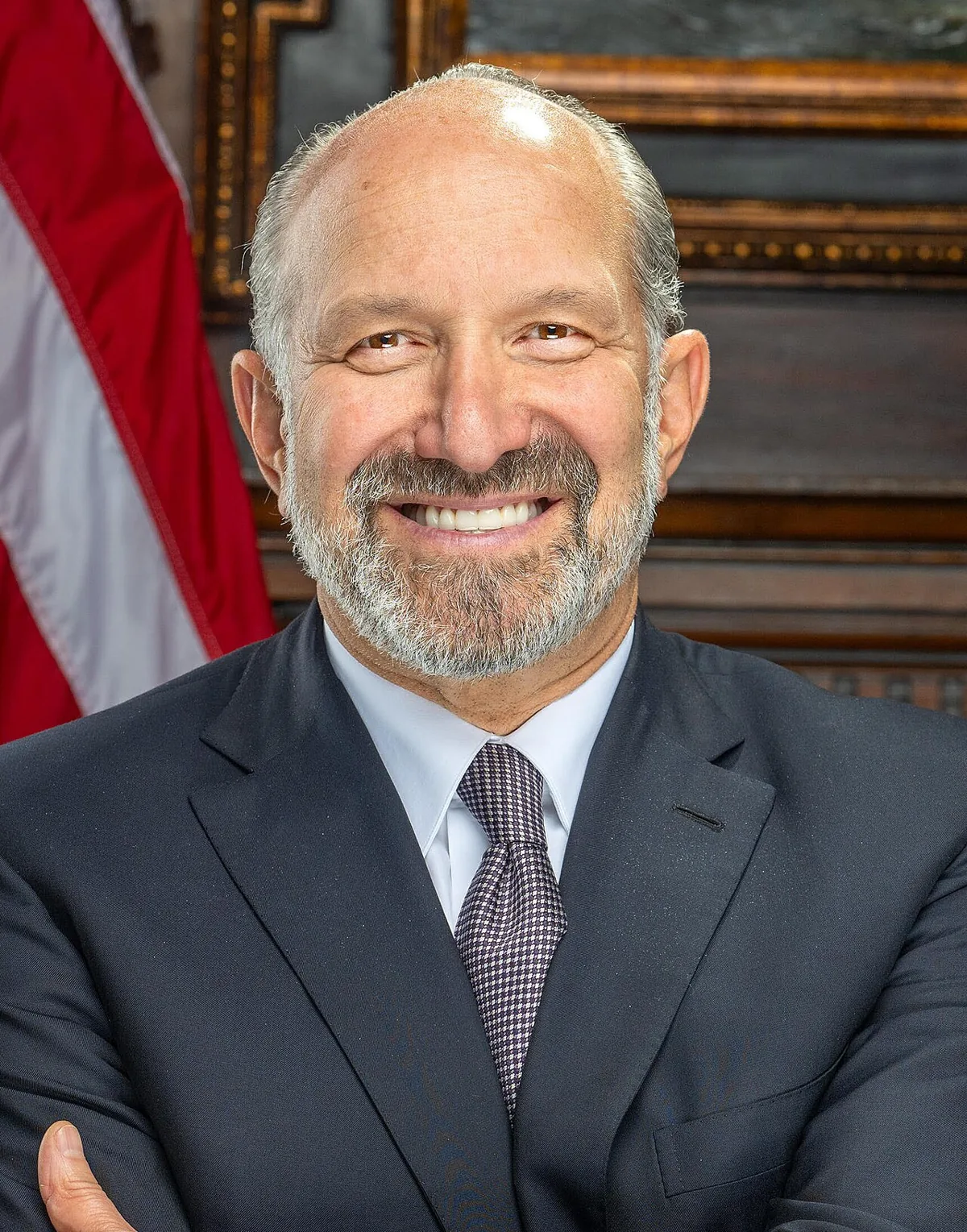
The CEO of the most valuable chip company on Earth was in a relationship with a woman U.S. intelligence agencies believe is a Chinese spy, and she happened to be a top executive at a Singapore firm suspected of smuggling his company's chips to China. Meanwhile, the Cabinet official in charge of policing those chip sales, Howard Lutnick, has spent a year clashing with nearly everyone else in the administration over whether to tighten the rules. Somehow, this is where we are.
Everyone Wanted Tighter Controls Except The Guy In Charge Of Them
Here's the setup, courtesy of a New York Times investigation by Ana Swanson, Tripp Mickle, Maggie Haberman and Jonathan Swan. There is broad agreement among most senior Trump administration officials that the United States should more aggressively tighten controls on Nvidia's advanced chips so China can't use them to catch up in the race to dominate artificial intelligence.
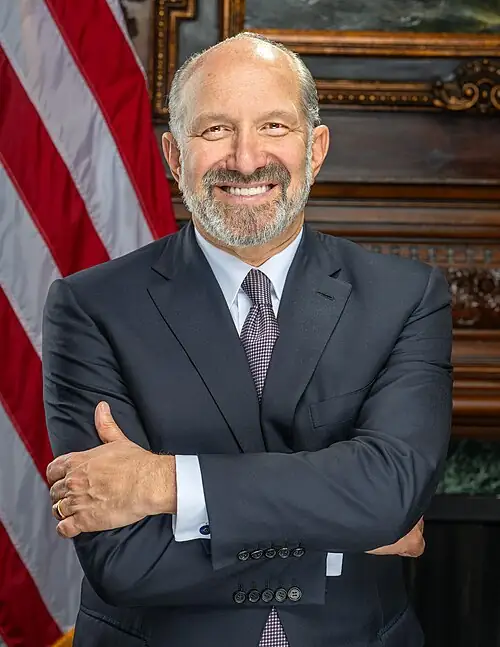
Then there is Howard Lutnick, who runs the Commerce Department.
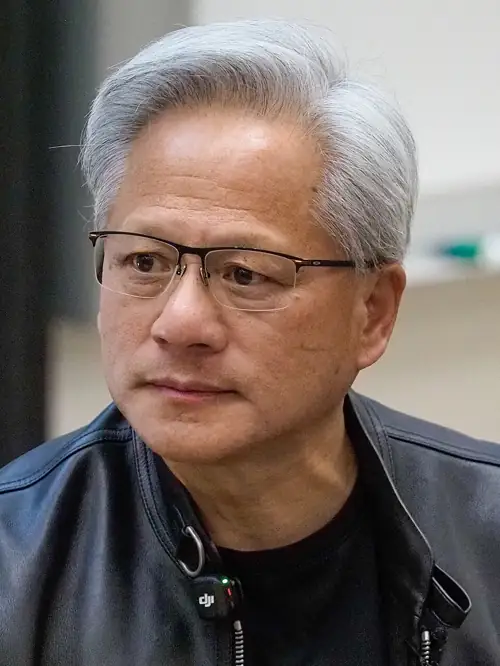
Over the past year, Lutnick has frequently clashed with top officials over how to regulate sales of advanced technology, particularly Nvidia's sales to Asia. That has drawn accusations from inside the administration and from Congress that Commerce has gotten too cozy with Nvidia and its co-founder, Jensen Huang, and failed to adequately police the company's chip sales to China.
The Girlfriend Problem
Now for the part that reads like a rejected Tom Clancy outline. The Times revealed that Huang was in a relationship with a woman believed by U.S. intelligence agencies to be a Chinese spy. Her name is Alice Huang. She was a top executive at Megaspeed, a Singapore-based company suspected of smuggling Nvidia chips to China.
Read that again. The chief executive of the company whose chips are the single most coveted piece of technology in the U.S.-China rivalry was romantically involved with an alleged intelligence asset running a firm suspected of moving those very chips into China. You could not pitch this to a screenwriter without being told it's too on the nose.
On Thursday, Jensen Huang announced he was stepping down from the company, and Nvidia's shares tumbled. That's not a typo. The man who built it is out.
Nvidia Gets The VIP Lane At Commerce
The reporting also lands on a detail that should make anyone who has ever waited in line at a government office lose their mind. Within the Commerce Department, Nvidia is treated differently than other firms, current and former officials say. Its issues get high priority and are routed through specific channels.
Other companies get the regulatory process. Nvidia gets a concierge. Lutnick is, in the Times' words, best positioned to single-handedly shape whether China has access to American technology, including Nvidia's. One man. One very large department. One extremely friendly relationship with the company it's supposed to regulate.
And this was not some fringe complaint from cranks. The accusations came from others in the administration and in Congress, which is about as bipartisan as suspicion gets in 2026.
The Stakes Are Not Abstract
Let's be clear about why anyone should care beyond the juicy spy angle. China hawks warn that letting advanced chips flow to that country speeds its AI development and gives it an economic and military edge. The other camp argues that selling the chips helps American technology keep global leadership and deters China from building rival products.
That is a real debate with real arguments on both sides. Reasonable people in this administration landed on the hawkish side anyway. The question now is whether the person with the most power over the outcome let personal and corporate relationships tilt the scale.
It also matters that Huang is an ally of President Trump and one of the most high-profile and successful American business leaders alive. Access like that doesn't need a bribe to bend policy. Sometimes it only needs a calendar invite and a very warm tone of voice.
Lutnick Is Now In The Spotlight He Did Not Order
The Times says the developments have thrust Lutnick into an uncomfortable spotlight and raised questions about whether he went too far in protecting Nvidia's interests. They also put a harsh focus on whether Huang's influence kept the United States from moving faster to clamp down on sales to companies like Megaspeed.
That is the question, and it's a damning one. If a company suspected of smuggling chips to China was run by someone linked to the CEO of the chipmaker, and the regulator kept things smooth for that chipmaker, then the system worked exactly the way a system built on cronyism always works. Beautifully, for the insiders.
The Dingo Take
Who exactly was Commerce protecting? Because the answer, so far, appears to be a billion-dollar company over the national security of the country the Commerce Department works for. That's not a small oversight. That's a fox who got a corner office in the henhouse and a standing lunch order.
Here's what makes this so maddening. Most of the administration, including people not exactly known for restraint, wanted tougher rules. Lutnick wanted otherwise, over and over, for a year. And now we learn the company's CEO was dating a woman U.S. intelligence believes is a Chinese spy who ran a firm suspected of funneling those very chips overseas. If your regulatory strategy produced that outcome, it wasn't a strategy. It was a favor.
This administration loves to scream about China from every podium it can find. Then its Commerce chief goes to bat for the company at the center of the chip-smuggling mess. Somebody in Congress should be asking Lutnick very simple questions under oath, loudly, and on camera. We'd suggest starting with: who is Nvidia calling when it needs something, and why does the phone always get picked up?



Comments